The University of Texas MD Anderson Cancer Center | Strategic Alliance Partners
Latest from The University of Texas MD Anderson Cancer Center
Ivosidenib plus azacitidine displayed favorable event-free survival, overall survival, and clinical responses compared with placebo plus azacitidine in patients with newly diagnosed, IDH1-mutated acute myeloid leukemia, according to findings from the phase 3 AGILE study.

Nageshwara Arvind Dasari, MD, discusses the results of the phase 3 FRESCO-2 trial of fruquintinib in patients with refractory metastatic colorectal cancer, the significance of the data for the treatment paradigm, and the potential next steps for examining the agent in this disease.
Srdan Verstovsek, MD, PhD, discusses the benefits of rusfertide, an agent currently under evaluation in patients with polycythemia vera. In addition, he lays out the distinctions between low-risk and high-risk polycythemia vera and explains the benefits of this drug in both populations.

Senthil Damodaran, MD, PhD, discusses data from the phase 2 ELAINE-2 trial examining the combination of lasofoxifene and abemaciclib in patients with ESR1-mutated, estrogen receptor–positive/HER2-negative metastatic breast cancer.
Dr Verstovsek discusses the FDA approval of pemigatinib in myeloid/lymphoid neoplasms with FGFR1 rearrangements, the transformative effects of pemigatinib, and the importance of identifying chromosomal abnormalities in patients with this aggressive disease.

Srdan Verstovsek, MD, PhD, discusses the FDA approval of pemigatinib, an FGFR1 inhibitor, in patients with myeloid neoplasms with an FGFR1 rearrangement.
Treatment with brexucabtagene autoleucel drove durable responses in patients with relapsed/refractory mantle cell lymphoma, particularly those with minimal residual disease negativity at 6 months.
Srdan Verstovsek, MD, PhD, discusses the clinical implications of the FDA approval of pemigatinib, the results of the FIGHT-203 trial, and the need to conduct chromosomal analysis for patients with myeloid/lymphoid neoplasms.
Dr Elamin discusses results from a phase 2 study of poziotinib efficacy in EGFR exon 20–mutant non–small cell lung cancer and highlights the agent’s sensitivity in relation to insertion location.
Cemiplimab produced pathologic complete responses as a neoadjuvant treatment in more than half of patients with resectable, stage II to IV cutaneous squamous cell carcinoma.
Compared with adjuvant pembrolizumab alone, the addition of neoadjuvant pembrolizumab significantly improved event-free survival outcomes for patients with stage III-IV melanoma with a hazard ratio of 0.58.
Trastuzumab deruxtecan demonstrated a promising quality-of-life benefit for patients with hormone receptor–positive, HER2-low metastatic breast cancer, according to a report on patient-reported outcomes from the pivotal DESTINY-Breast04 trial.
An updated analysis of the phase 1 SURPASS trial showed that ADP-A2M4CD8, a next-generational autologous T-cell receptor designed to patients with solid tumors, may be an effective therapy in MAGE-A4-positive disease.
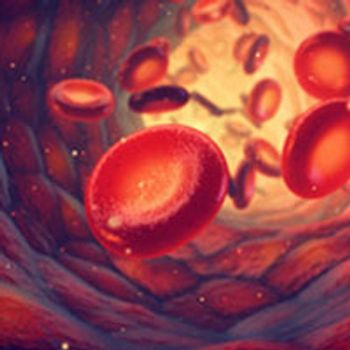
Azacitidine plus venetoclax showed encouraging activity in patients with high-risk myelodysplastic syndromes or chronic myelomonocytic leukemia.

Naval G. Daver, MD, discusses the rationale for the ongoing ENHANCE trial and explained magrolimab’s unique role as a macrophage immune checkpoint blocker. He also outlines unmet needs throughout the entire high-risk myelodysplastic syndrome population, and how novel approaches, such as magrolimab combinations, may fulfill these needs.
Matthew P. Goetz, MD, discusses overall survival data with ribociclib and abemaciclib in estrogen receptor–positive, HER2-negative disease; the role of adjuvant pembrolizumab in patients with triple-negative breast cancer; and the efficacy of PARP inhibitors in earlier settings.
Eric Jonasch, MD, discusses the best patient population when treating with belzutifan in clear cell renal cell carcinoma.

The combination of durvalumab and tremelimumab demonstrated positive progression-free survival and overall survival rates with expected toxicity data in patients with advanced or metastatic soft tissue and bone sarcomas.
Elise Nassif, MD, discusses examining gut microbial signatures in the tumor microenvironment.
Eric Jonasch, MD, discusses the efficacy and safety of belzutifan observed in the LITESPARK-001 trial for patients with advanced clear cell RCC and the next steps for investigating belzutifan in this patient population.
Vivek Subbiah, MD, discusses the significance of the approval of dabrafenib plus trametinib for adult and pediatric patients 6 years or older with unresectable or metastatic BRAF V600E–mutant solid tumors and highlights future directions for tumor agnostic drug development.
Matthew H. G. Katz, MD, CMQ, FACS, FASCO, discusses the efficacy of mFOLFIRINOX, a chemotherapy regimen consisting of oxaliplatin, irinotecan, leucovorin, and fluorouracil, prior to pancreatectomy in patients with borderline resectable pancreatic cancer.
Eric Jonasch, MD, discusses the future of belzutifan (Welireg) in clear cell renal cell carcinoma.
Dr Katz discusses the implications of a recently published phase 2 study investigating neoadjuvant mFOLFIRINOX with or without hypofractionated radiation therapy results for patients with borderline resectable pancreatic ductal adenocarcinoma.

Yasir Y. Elamin, MD, discusses the efficacy of poziotinib in patients with EGFR exon 20–mutated non–small cell lung cancer with near-loop vs far-loop mutations.
Matthew H. G. Katz, MD, CMQ, FACS, FASCO, discusses the use of neoadjuvant mFOLFIRINOX in patients with borderline resectable pancreatic cancer.
Poziotinib produced an encouraging overall response rate in patients with non–small cell lung cancer harboring EGFR exon 20 mutations, meeting the primary end point in cohort 1 of a phase 2 trial.
The menu of tissue-agnostic oncology drug approvals is growing, generating new treatment options for patients with rare cancers and strengthening the rationale for broad next-generation sequencing.
Dr Subbiah discusses research from the 2022 ASCO Annual Meeting, including phase 2 data (NCT04165772) in mismatch repair–deficient, locally advanced rectal cancer; findings from DESTINY-Breast04 (NCT03734029) in HER2-low unresectable and/or metastatic breast cancer; a first-in-human study (NCT04585750) in TP53-mutant advanced solid tumors; and data from LIBRETTO-001 (NCT03157128) in RET fusion–positive solid tumors.
Ignacio I. Wistuba, MD, explains how major pathological response and pathological complete response should be interpreted and their role as clinical end points.
