
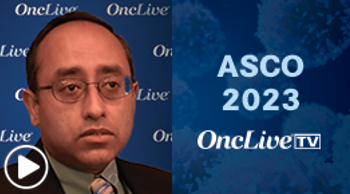
Prithviraj Bose, MD, discusses key data on the ability of pacritinib to reduce splenomegaly and disease symptoms in patients with myelofibrosis across the cytopenic spectrum.
Prithviraj Bose, MD, discusses key data on the ability of pacritinib to reduce splenomegaly and disease symptoms in patients with myelofibrosis across the cytopenic spectrum.
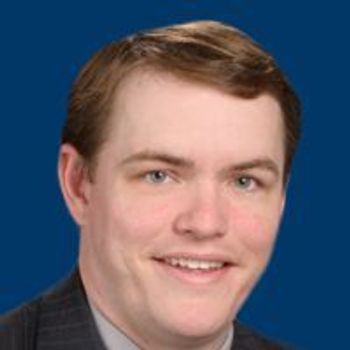
Second-line treatment with axicabtagene ciloleucel significantly improved overall survival compared with high-dose therapy plus autologous stem cell transplant in patients with early relapsed or refractory large B-cell lymphoma.
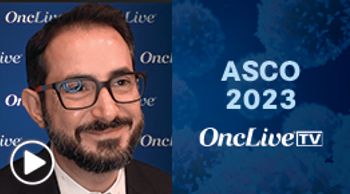
Hussein A. Tawbi, MD, PhD, discusses the 2-year findings from the phase 2/3 RELATIVITY-047 trial of nivolumab plus relatlimab in treatment-naïve patients with metastatic or unresectable melanoma.

Treatment with fruquintinib plus best supportive care led to improved overall survival and progression-free survival vs placebo plus best supportive care in patients with refractory metastatic colorectal cancer, irrespective of number of prior lines of therapy or type of prior treatment.
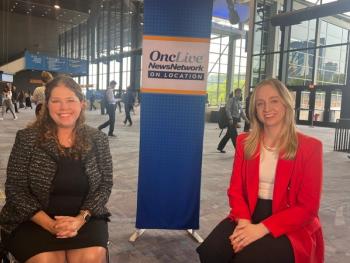
OncLive® will be LIVE with OncLive® News Network: On Location at the 2023 ASCO Annual Meeting. Each day, we will broadcast a series of interviews with top thought leaders, to learn their thoughts and reactions to data presented across hematologic oncology during the conference.
Kanwal P. S. Raghav, MBBS, MD, discusses primary findings from the phase 2 DESTINY-CRC02 trial (NCT04744831) of fam-trastuzumab deruxtecan-nxki (Enhertu) in patients with metastatic colorectal cancer with HER2 amplification or overexpression.

The 5.4-mg/kg dose of trastuzumab deruxtecan elicited numerically higher activity in patients with HER2-positive, metastatic colorectal cancer compared with the 6.4-mg/kg dose.
Zanidatamab generated responses in patients with HER2-amplified, locally advanced, unresectable or metastatic biliary tract cancer who were previously treated with gemcitabine.
Guillermo Garcia-Manero, MD, discusses key efficacy and safety findings from the phase 3 COMMANDS trial (NCT03682536) of luspatercept-aamt (Reblozyl) vs epoetin alfa in patients with lower-risk myelodysplastic syndrome.
Samer A. Srour, MB ChB, MS, discusses planned next steps and future avenues of investigation for the novel CD70-targeted agent ALLO-316 in patients with advanced or metastatic clear cell renal cell carcinoma.
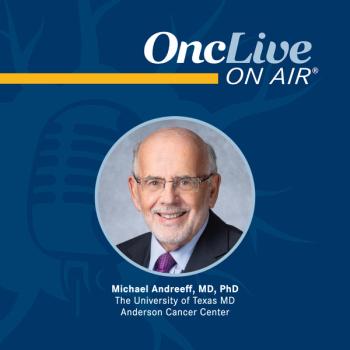
Dr Andreeff discusses the evaluation of uproleselan for the treatment of patients with acute myeloid leukemia, the rationale for targeting E-selectin in patients with this disease, how uproleselan could amplify the effects of chemotherapy in the treatment of these patients.
The combination of durvalumab and platinum-based chemotherapy, followed by maintenance therapy with either durvalumab plus olaparib or durvalumab alone, elicited a statistically significant and clinically meaningful improvement in progression-free survival in patients with newly diagnosed, advanced or recurrent endometrial cancer.
Study findings demonstrated that states that expanded Medicaid had improved survival rates in patients with pancreatic and gastric cancers, with greater improvements in Black patients for some analyses.
Luspatercept-aamt led to a higher rate of sustained transfusion independence compared with erythropoiesis stimulating agents in patients with ESA-naïve, lower-risk myelodysplastic syndrome.
Ferdinandos Skoulidis, MD, PhD, MRCP, discusses the methods utilized in a retrospective study that investigated molecular determinants of KRAS G12C inhibitor efficacy in patients with advanced non–small cell lung cancer.
Samer A. Srour, MB ChB, MS, discusses the mechanism of action of ALLO-316, which is being investigated for the treatment of patients with advanced or metastatic clear cell renal cell carcinoma, and details safety findings from the phase 1 TRAVERSE study evaluating ALLO-316 in this patient population.
For the 11th consecutive year, OncLive is honored to recognize oncology leaders whose innovations have contributed to immeasurable improvements in outcomes for countless patients.
John V. Heymach, MD, PhD, expands on the efficacy of perioperative durvalumab in the AEGAN trial, the significance of this unique approach for the non–small cell lung cancer treatment paradigm, and future research examining opportunities to build on or intensify the benefit achieved with this regimen.
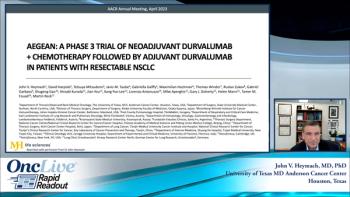
Expert oncologist John Heymach, MD, PhD, reviews data from the phase 3 AEGEAN trial following updates presented at the 2023 AACR annual meeting.
Ahmed O. Kaseb, MD, discusses how the previous approval of atezolizumab and bevacizumab in hepatocellular carcinoma provided the impetus for the IMBrave050 study, how data from this study could support the regimen’s approval in the adjuvant setting, and how this approval could substantially improve the treatment landscape for early-stage disease.
Scott Kopetz, MD, PhD, FACP, discusses the rationale for launching the phase 3 BREAKWATER trial in BRAF V600E–mutant metastatic colorectal cancer.
Ferdinandos Skoulidis, MD, PhD, MRCP, discusses molecular determinants of KRAS G12C inhibitor efficacy in advanced non–small cell lung cancer.
Elshad Hasanov, MD, PhD, discusses actionable immune-resistance targets in patients with renal cell carcinoma with brain metastases.
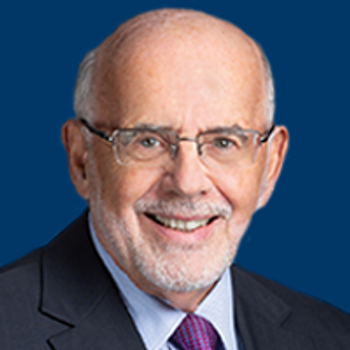
Michael Andreeff, MD, PhD, discusses the potential benefits of E-selectin inhibition in the AML tumor microenvironment, data that have contributed to the further development of uproleselan in this population, and additional AML targets under investigation that may broaden the treatment landscape.
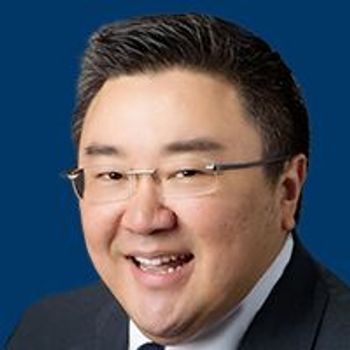
VT3989, a first-in-class YAP/TEAD inhibitor, showcased durable antitumor activity and tolerability in patients with malignant mesothelioma and other solid tumors harboring NF2 mutations, according to data from a phase 1 trial presented at the 2023 AACR Annual Meeting.
Shared closing thoughts on the future treatment landscape for myeloproliferative neoplasms, including future and emerging areas of research and remaining areas of unmet need.
A review of recent trial data evaluating combination therapy approaches with ruxolitinib in myelofibrosis, including the rationale and potential clinical benefits associated with the use of these emerging strategies.
Samer A. Srour, MB ChB, MS, explains the unique construction of ALLO-316, the potential for ALLO-316 to address an unmet need in patients with clear cell renal cell carcinoma, and how early data from the TRAVERSE study support the continued investigation of ALLO-316 in patients with CD70-expressing tumors.
Ahmed O. Kaseb, MD, discusses the significance of results from the phase 3 IMbrave050 trial of adjuvant atezolizumab and bevacizumab for patients with early-stage hepatocellular carcinoma.
Michael Andreeff, MD, PhD, discusses the rationale for investigating uproleselan plus venetoclax and azacitidine in patients with acute myeloid leukemia.