

Neel P. Chudgar, MD, discusses the nuances of defining resectability in patients with non–small cell lung cancer.
Neel P. Chudgar, MD, discusses the nuances of defining resectability in patients with non–small cell lung cancer.
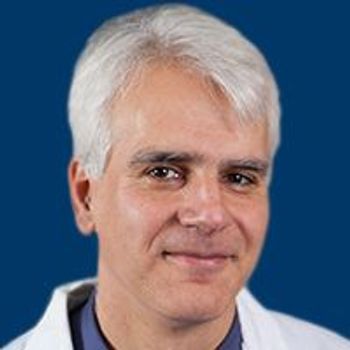
Balazs Halmos, MD, discusses the FLAURA2 and MARIPOSA trials of EGFR TKIs plus chemotherapy in EGFR-mutated non–small cell lung cancer.
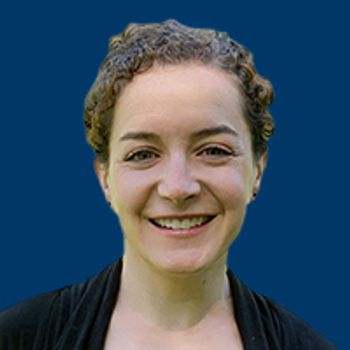
Investigators evaluated risk factor–based guidelines and risk model–based strategies for lung cancer screening in World Trade Center–exposed responders.
Balazs Halmos, MD, discusses treatment strategies for patients with EGFR-mutant non–small cell lung cancer.

Genetic screening and testing have only recently become an integral part of cancer care.

Drs Donington and Stiles discuss the implications of perioperative immunotherapy trials on early-stage lung cancer management, definitions of resectability, and the incorporation of new multidisciplinary management guidance.
Press Release
Leading researchers in rare blood cancers to investigate new therapeutic strategy that targets leukemic stem cells.
Drs Donington and Stiles discuss how the findings from the ADAURA trial with adjuvant osimertinib have changed thoracic surgery expectations, the potential surgical implications of the ALINA trial with adjuvant alectinib, and the importance of early-stage molecular testing in lung cancer.
Dr Halmos discusses the ongoing investigation of the potent, selective, and irreversible EGFR inhibitor BDTX-1535 in patients with non–small cell lung cancer.

Press Release
Montefiore Einstein Comprehensive Cancer Center opened a new state-of-the-art breast center at the Hutchinson Metro Center at 1250 Waters Place.

Beth N. McLellan, MD, discusses the use of a low-cost, topical treatment to prevent severe cases of acute radiation dermatitis potentially caused by the skin bacterium Staphylococcus aureus in breast cancer.
Press Release
The newly renamed Montefiore Einstein Comprehensive Cancer Center has been awarded comprehensive designation by the National Cancer Institute of the National Institutes of Health, the ultimate standard achieved by only 55 other NCI cancer centers in the U.S.
As oncogene-driven therapies move into clinical practice, it is paramount that clinicians have the tools and understanding to integrate the latest evidence for the appropriate treatment of patients with lung cancer.
Balazs Halmos, MD, explains why a national effort is needed to mitigate current and future drug shortages in oncology and discusses strategies being used to navigate the current cisplatin and carboplatin shortages.
Closing out their panel on immunotherapy in non–small cell lung cancer, expert oncologists share key takeaways on the selection of novel therapy in this setting.
A brief review of the POSEIDON trial, which analyzed durvalumab with or without tremelimumab in combination with chemotherapy in advanced NSCLC.
Key opinion leaders in the field of non–small cell lung cancer management discuss the role of immunotherapy in patients with concomitant KRAS and KEAP1/STK11 mutations.
A comprehensive discussion on combination chemotherapy + immunotherapy regimens available to patients with advanced non–small cell lung cancer.

Shared insight on the value that molecular testing and PD-L1 testing, respectively, have on determining optimal therapy for patients with advanced non–small cell lung cancer.
Switching their focus to advanced non–small cell lung cancer, panelists identify parameters that may influence the use of immune checkpoint inhibitors in this setting.
Switching their focus to the adjuvant setting of resectable NSCLC, expert panelists identify treatment options in this setting and review the clinical data behind them.
Shared insight from key opinion leaders on the value of molecular testing in patients with resectable non–small cell lung cancer and how it can be applied.
Expert oncologists reflect on key factors that aid in the selection of therapy for patients diagnosed with resectable non–small cell lung cancer (NSCLC).
Although the first FDA approval for CAR T-cell therapy in multiple myeloma was 2 years ago, unfortunately, the treatment remains out of reach for too many patients.

Tumor microenvironment of metastasis doorway density—a biomarker of distant metastatic recurrence—is higher in Black women vs White women with estrogen receptor–positive/HER2-negative breast cancer who have residual disease after neoadjuvant chemotherapy.
Montefiore Einstein Cancer Center hopes to begin combating systemic inequities and improve cancer outcomes for historically disadvantaged populations by taking a data-driven approach to delivering neoadjuvant therapy in communities that are economically and socially marginalized.
Balazs Halmos, MD, discusses the role of immunotherapy in the frontline setting of NSCLC and the emerging pipeline of antibody-drug conjugates that could affect the treatment paradigm in lung cancer.
Balazs Halmos, MD, discusses the importance of testing for HER2 mutations and exon 20 insertions, which are emerging new targets in non–small cell lung cancer, and how fam-trastuzumab deruxtecan-nxki meets needs for patients with HER2-mutant disease.
Balazs Halmos, MD, discusses the significance of the FDA approval of tremelimumab-actl plus durvalumab and chemotherapy in patients with metastatic non–small cell lung cancer.
Press Release
The American Cancer Society has awarded Montefiore Einstein Cancer Center more than $2.1 million to support cancer research and reduce individual and systematic barriers that prevent people from accessing cancer care.