Ruta D. Rao, MD, discusses a prospective sub-study of the PARTNER trial evaluating the effect of ctDNA status on distant recurrence in early TNBC.
Ruta D. Rao, MD, discusses a prospective sub-study of the PARTNER trial evaluating the effect of ctDNA status on distant recurrence in early TNBC.
Thomas Westbrook, MD, discusses the non–clear cell renal cell carcinoma research that informs his clinical practice.

Thomas Westbrook, MD, discusses the investigation of approved ccRCC treatments in patients with non-ccRCC.
Although the severity of the shortage of chemotherapy agents, particularly with the platinum-based therapies cisplatin and carboplatin, has receded from the heights seen earlier in 2023, clinicians are still dealing with its ramifications and having to strategically manage how they employ certain chemotherapies.
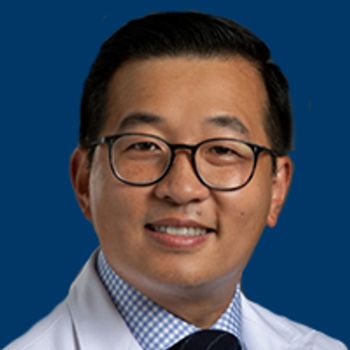
Alan Tan, MD, discusses how utilizing circulating tumor DNA may provide valuable insight into when to escalate vs de-escalate treatment for patients with renal cell carcinoma.

Explore statistics behind and possible patient presentations of advanced renal cell carcinoma (RCC), with insight into IMDC risk stratification that may influence treatment strategies and outcomes.
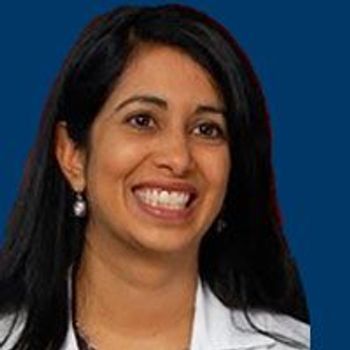
Ruta D. Rao, MD, discusses factors that inform treatment selection for patients with metastatic HER2-positive breast cancer, the effects key data that emerged in 2021 have had on sequencing, strategies to mitigate toxicities associated with trastuzumab deruxtecan, and remaining questions regarding sequencing that may be the focus of ongoing research effort.
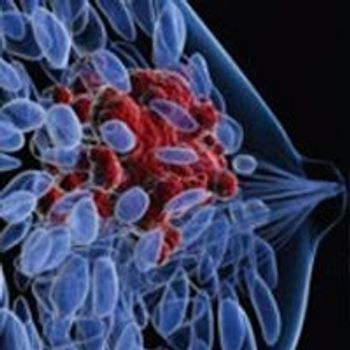
Newer, cheaper and more personalized tests means more people tested and more lives saved.

New findings may lead to novel immunotherapies against third-deadliest cancer.
Timothy M. Kuzel, MD, FACP, discusses the use of immunotherapy as a targeted approach to treating cancer.
Ruta Rao, MD, associate professor of medical oncology, Rush University Medical Center, discusses the use of abemaciclib with or without fulvestrant for the treatment of hormone receptor–positive and HER2-negative metastatic breast cancer following prior treatment with palbociclib.
Shikha Jain, MD, hematologist/oncologist, Rush University Medical Center, discusses the disparities between male and female professionals at medical conferences, specifically the American Society of Clinical Oncology (ASCO) Annual Meeting.
Mary J. Fidler, MD, associate professor, Rush University Medical Center, discusses progression-free survival (PFS) and overall survival (OS) in patients with stage IV, nonsquamous, non–small cell lung cancer patients (NSCLC) treated with first-line pemetrexed and platinum followed by pemetrexed maintenance.
Kristin J. Richardson, MD, hematology/oncology fellow at Rush University Medical Center, discusses the use of CDK4/6 inhibitors in the treatment of patients with hormone receptor (HR)-positive, HER2-negative metastatic breast cancer.
Melody A. Cobleigh, MD, professor of medical oncology at Rush University Medical Center, discusses antibody–drug conjugates (ADCs) under development in HER2-positive breast cancer.
Although it has been difficult to identify a specific target for triple-negative breast cancer, several therapeutic classes are showing great promise.
Melody A. Cobleigh, MD, sheds light on novel treatment approaches for patients with HER2-positive breast cancer that are under investigation as well as strategies that have already been incorporated into practice.
Ruta D. Rao, MD, highlights the importance of determining risk for recurrence and its impact on conversations about extended adjuvant endocrine therapy and the use of chemotherapy in patients with early-stage HR-positive, HER2-negative breast cancer.
Ruta D. Rao, MD, an associate professor at Rush University Medical Center, discusses therapy de-escalation for patients with early-stage hormone receptor (HR)-positive, HER2-negative breast cancer.
Mary Jo Fidler, MD, discusses the latest developments in the treatment of patients with ALK-positive lung cancer.
Ruta D. Rao, MD, elaborates on the findings of the ABCSG-16, SOFT, and TEXT clinical trials and how they have shaped adjuvant treatment for ER-positive breast cancer.
Ruta D. Rao, MD, associate professor, Rush University Medical Center, discusses the results of the SOFT trial, presented at the 2017 San Antonio Breast Cancers Symposium.
Mary Jo Fidler, MD, discusses targeting the EGFR-gene activating mutations, first- and second-generation inhibitors, and the potential of osimertinib.
Philip D. Bonomi, MD, The Alice Pirie Wirtz Professor of Medical Oncology, Rush Medical College, medical oncologist, Rush University Medical Center, discusses PD-L1 as a biomarker in non-small cell lung cancer.
Philip D. Bonomi, MD, The Alice Pirie Wirtz Professor of Medical Oncology, Rush Medical College, medical oncologist, Rush University Medical Center, discusses liquid biopsies in lung cancer.
Mary Jo Fidler, MD, associate professor, medical oncology, hematology, internal medicine, Rush University Medical Center, discusses osimertinib (Tagrisso) in patients with EGFR T790M-positive non–small cell lung cancer.
As clinicians have gained an improved understanding of the biology of soft-tissue sarcoma malignancies, the ability to better distinguish and identify subtypes has extended the hope of targeted treatment options.
Mary Jo Fidler, MD, discusses aiming to improve platinum-based doublet therapy in NSCLC, as well as the role of chemotherapy for non-driver adenocarcinoma in the future.
Mary Jo Fidler, MD, associate professor, medical oncology, hematology, internal medicine, Rush University Medical Center, discusses how early and persistent oligoclonal T cell expansion correlates with durable response to anti-PD1 therapy in non-small cell lung cancer treatment (NSCLC).