
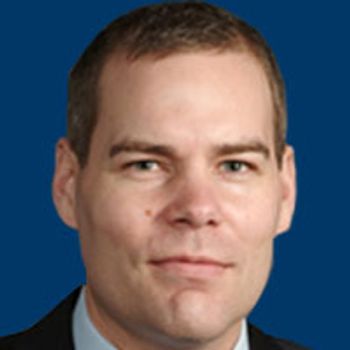
Peter Martin, MD, discusses the efficacy of a combination regimen of ibrutinib and palbociclib in the treatment of patients with mantle cell lymphoma.
Peter Martin, MD, discusses the efficacy of a combination regimen of ibrutinib and palbociclib in the treatment of patients with mantle cell lymphoma.
In neuro-oncology, newfound interest has sparked investigations into metabolic pathways in tumors with the hope of identifying novel therapeutic targets.
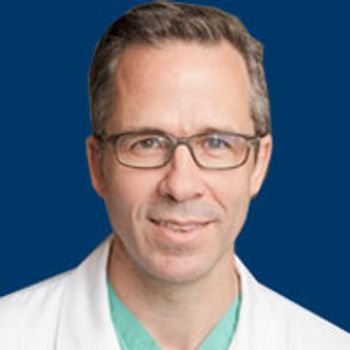
In a pilot study, funded by both the Society for Surgery of the Alimentary Tract and The Center for Advanced Digestive Care, researchers at Weill Cornell Medicine are testing a new mobile app that could help transform postoperative patient monitoring.
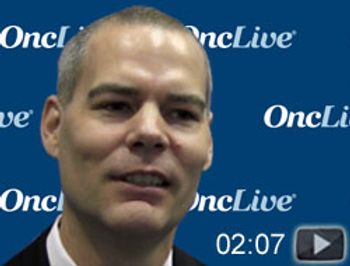
Peter Martin, MD, associate professor of Medicine, Division of Hematology/Oncology, Weill Cornell Medicine, predicts future treatment approaches in the field of mantle cell lymphoma (MCL).
David C. Madoff, MD, professor of Radiology, vice chairman for Academic Affairs at Weill Cornell Medicine, discusses selecting patients with hepatocellular carcinoma who are candidates for minimally invasive therapy.
The FDA has approved carfilzomib (Kyprolis) in combination with dexamethasone or with lenalidomide plus dexamethasone for patients with relapsed/refractory multiple myeloma following prior treatment with 1 to 3 lines of therapy

John P. Leonard, MD, discusses the potential for lenalidomide, idelalisib, and ibrutinib in follicular lymphoma, possible combination therapies, and challenges that remain in the treatment of the disease.
Silvia Formenti, MD, chair of Radiation Oncology at Weill Cornell Medical College and radiation oncologist-in-chief at Weill Cornell Medicine and NewYorkPresbyterian Hospital, discusses combining radiotherapy with immunotherapy in non-small cell lung cancer (NSCLC).
John P. Leonard, MD, medical oncology, NewYork-Presbyterian Hospital/Weill Cornell Medical Center, discusses therapies available for patients with indolent B-cell Non-Hodgkin lymphoma.
The combination of lenalidomide and rituximab demonstrated an objective response rate of 92% as initial therapy for patients with mantle cell lymphoma.
Novel agents have transformed the treatment of mantle cell lymphoma and tumor profiling is poised to further enhance these benefits.

Laurie H. Glimcher, MD, discusses the promise of XBP1 inhibition as an immunotherapy strategy in ovarian cancer.
Andrew Dannenberg, MD, professor of Medicine, Weill Cornell Medical College, discusses the association between breast inflammation and breast cancer risk.

The Nobel Prize winning director of the National Cancer Institute, Harold Varmus, MD, has tendered his resignation to pursue research interests in New York.

A wearable device that uses electric fields to disrupt the activity of cancer cells has demonstrated survival benefits among patients with recurrent glioblastoma multiforme in real-world settings, particularly among individuals treated in earlier stages of progression

Richard T. Silver, MD, Professor of Medicine, Director, Leukemia and Myleoproliferative Center, New York Presbyterian-Weill Cornell Medical Center, discusses the use of interferons in myeloproliferative neoplasms.
The keynote address at the ASCO Genitourinary Cancers Symposium highlighted a collaborative effort to develop a comprehensive molecular classification of prostate cancer.