

Carriers of the BRCA1 or BRCA2 mutation are at greater risk for developing a new primary tumor in the contralateral breast compared with noncarriers.

Your AI-Trained Oncology Knowledge Connection!
Carriers of the BRCA1 or BRCA2 mutation are at greater risk for developing a new primary tumor in the contralateral breast compared with noncarriers.

Dr. José Baselga from Massachusetts General Hospital Discusses the CLEOPATRA Pertuzumab Trial
Tumor-related factors that lead to chemotherapy resistance in Hispanic women make them more likely to die from breast cancer than non-Hispanic whites.

Dr. Debu Tripathy from USC Norris Comprehensive Cancer Center Discusses the AVEREL Bevacizumab Trial Results

The CLEOPATRA trial marks the first time that dual inhibitors have demonstrated value in the treatment of HER2-positive metastatic breast cancer.

Dr. Gabriel Hortobagyi from the MD Anderson Cancer Center Discusses the BOLERO-2 Trial

The BOLERO-2 trial suggests that adding everolimus to hormonal therapy can overcome resistance in patients whose disease progressed.

A large study of HER2+ breast cancer patients shows that obese patients had worse outcomes than normal weight or overweight patients.

Dr. Edith Perez from the Mayo Clinic Cancer Center Discusses the CLEOPATRA Pertuzumab Trial
The results of 2 studies likely to have a significant impact upon the treatment of women with metastatic breast cancer.

Dr. Benjamin Smith from MD Anderson Cancer Center Discusses the Brachytherapy Breast Cancer Trial

A new 12-gene assay for predicting risk of recurrence for patients with ductal carcinoma in situ (DCIS).

Dr. Lawrence Solin from Einstein Medical Center Discusses the DCIS Score Recurrence Test

It may be possible to predict which women with HR+ invasive breast cancer will experience recurrence by using a series of gene expression profiles.

Although the use of tumor markers to evaluate patients with breast cancer is well established, the nuances involved in such testing are growing along with the emergence of novel assays and fresh research findings.

This month's collection of trials in progress highlights trials presented at the 2011 American Society of Clinical Oncology Meeting.
Dr. Julia White from Community Memorial Hospital Discusses Exceptions in the Z11 Trial

Joyce A. O'Shaughnessy explores the 8th Annual School of Breast Oncology, an interactive program designed to immerse oncology professionals in the latest science.

The Z11 study suggests that there is no difference in survival among patients with breast cancer who did not undergo a recommended surgical treatment.
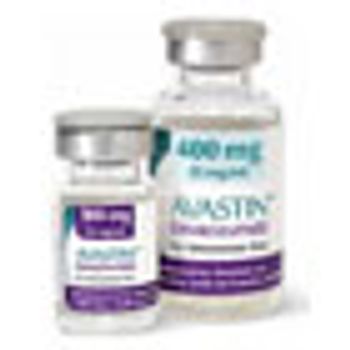
The FDA commissioner announced the withdrawal of its approval for bevacizumab (Avastin) to treat patients with breast cancer.
Dr. Adam Brufsky from the University of Pittsburgh School of Medicine Advises Doctors on Bevacizumab (Avastin) for Breast Cancer

Dr. Beth DuPree from Holy Redeemer Health System Provides Z11 Trial Takeaway Points
Dr. Julia R. White from the Medical College of Wisconsin, Discusses the Z11 Trial Radiation Findings
Dr. Adam Brufsky from University of Pittsburgh School of Medicine, Discusses Bevacizumab Benefits in TNBC
The following cases were discussed at the 10th International Congress on the Future of Breast Cancer, which was held in Coronado, California, from August 4-7, 2011.

ASCO endorses a Canadian agency's outlook on ovarian ablation, chemotherapy limits for stage IV lung cancer patients, and supportive care antiemetic therapies.
Dr. Lori Goldstein from Fox Chase Cancer Center on the Fox Chase Breast Evaluation Center
Older patients with breast cancer who have a history of heart disease and/or diabetes have an increased risk of cardiotoxicity during treatment with trastuzumab.
Dr. Lori Goldstein from Fox Chase Cancer Center on Fulvestrant in Metastatic Breast Cancer
Primary care physicians in the US adhere poorly to established guidelines for genetic counseling and testing for women who are at high risk of breast and ovarian cancer.