
Opinion|Videos|February 3, 2026
Balancing Efficacy and Quality of Life When Sequencing Oral SERDs in HR Positive Breast Cancer
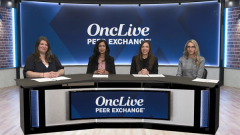
Experts discuss balancing efficacy and quality of life in SERD therapies, highlighting unique toxicities and the importance of patient education.
Advertisement
Episodes in this series
This segment addresses practical decision making as multiple oral SERDs become available and how clinicians weigh efficacy against quality of life. The panel emphasizes comparing adverse event signatures not only by rate but by their impact on daily function. Key considerations include hepatic and gastrointestinal effects that require routine lab monitoring and symptom management, ocular effects such as transient photopsia that may distress patients and prompt baseline optometry assessment, stomatitis and mucosal toxicity seen with mTOR combinations that can be mitigated with dexamethasone mouthwash, and metabolic or cardiac signals including bradycardia that warrant periodic vital sign or lipid checks. Tolerability drives sequencing when clinical benefits are similar, with prior endocrine sensitivity and prior CDK4/6 exposure informing expected efficacy. Dose modification and proactive prophylaxis are highlighted as tools to preserve quality of life while maintaining therapeutic intent. Shared decision making and multidisciplinary support are critical to match the chosen agent to patient goals and comorbidity profile.
Advertisement
Related to this article

Did you catch all of this week's top oncology news? Test your knowledge with OncLive's Weekly News Quiz.

Readers share their opinions on some of the most talked-about lung cancer abstracts they’re looking forward to seeing at ESMO 2026.
Readers share their opinions on some of the most talked-about gynecologic cancer abstracts they’re looking forward to seeing at ESMO 2026.

Gastrointestinal oncologists weigh HER2 testing practices, the order of HER2-directed therapies, and emerging agents for metastatic colorectal cancer.

The FDA has granted traditional approval to pembrolizumab for unresectable/metastatic TMB-H solid tumors.

The FDA granted fast track designation to SBE303 for locally advanced or metastatic urothelial cancer previously treated with enfortumab vedotin.
The oral PLK1 inhibitor onvansertib received FDA orphan drug designation in CMML.

Phase 1 data support continued investigation of roginolisib in advanced cancers, including metastatic uveal melanoma.
Advertisement
Advertisement
Trending on OncLive
1
FDA Grants Full Approval to Pembrolizumab for Unresectable/Metastatic TMB-H Solid Tumors
2
HER2+ mCRC Treatment Sequencing Favors Tucatinib Plus Trastuzumab Before T-DXd
3
Polls Reveal Top Picks for Lung Cancer Abstracts of Interest at ESMO 2026
4
SBE303 Receives FDA Fast Track Designation in Pretreated Urothelial Cancer
5