
Opinion|Videos|May 15, 2025
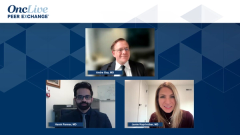
Overview of ZUMA-2 Cohorts 1-3: Use of Brexu-cel in R/R MCL
Panelists discuss how the 5-year follow-up data from the ZUMA-2 trial reveal sustained clinical benefit and durable responses for patients with relapsed/refractory mantle cell lymphoma (R/R MCL) treated with brexucabtagene autoleucel, potentially reshaping treatment paradigms by demonstrating long-term efficacy of CAR T-cell therapy in a historically challenging hematologic malignancy.
Advertisement
Episodes in this series
Video content above is prompted by the following:
Five-Year Outcomes of Brexucabtagene Autoleucel in R/R MCL
Key Findings
- Long-term data from ZUMA-2 study demonstrate sustained efficacy of brexucabtagene autoleucel (brexu-cel) in patients with R/R MCL.
- Extended follow-up provides critical insights into the durability of response and long-term treatment outcomes.
Clinical Implications
- Continued durable responses suggest brexu-cel may represent a potentially transformative therapy for heavily pretreated patients with MCL.
- Five-year data challenge previous perceptions about the limited treatment options for R/R MCL.
Potential Treatment Sequencing Considerations
- The sustained response rates may:
- Encourage earlier consideration of CAR T-cell therapy in the treatment algorithm
- Prompt reevaluation of traditional sequential therapy approaches
- Support brexu-cel as a potentially meaningful bridge to subsequent interventions
Limitations and Considerations
- Long-term toxicity profile remains an important area of ongoing assessment.
- Patient selection criteria and individual variability remain critical factors in treatment decision-making.
Recommended Clinical Approach
- Carefully evaluate individual patient characteristics.
- Consider brexu-cel as a potentially promising option for patients with R/R MCL with limited alternative treatments.
Continued monitoring and individualized treatment planning remain paramount.
Advertisement
Related to this article
Rocbrutinib plus chemoimmunotherapy led to complete responses in patients with untreated B-cell lymphomas.
Longer mirdametinib treatment increased confirmed and deep responses as treatment-related adverse effects declined in neurofibromatosis type 1 tumors.
Patrick Forde, MD, MBBCh, details how chemoimmunotherapy, pathologic response, and targeted therapy are reshaping resectable NSCLC care.

Long-term data show that plixorafenib yielded durable responses and no cumulative adverse effects in BRAF-altered primary central nervous system tumors.

Retrospective data tie longer survival with niraparib maintenance to homologous recombination deficiency after complete primary debulking.
Exploratory BEHOLD-1 data show responses to mocertatug rezetecan in platinum-resistant ovarian cancer across B7-H4 expression levels.

Updated BEHOLD-1 data show mocertatug rezetecan at its selected dose produced lasting responses in platinum-resistant ovarian cancer.

Pooled phase 1/2 data support 10 mg/kg every 3 weeks as the provisional pivotal dose of the PD-1/VEGF bispecific antibody cesalatamig in previously treated NSCLC.
Advertisement
Advertisement
Trending on OncLive
1
FDA Approves Durvalumab Plus Enfortumab Vedotin for Cisplatin-Ineligible MIBC
2
Cardiovascular and Bleeding Risk With BTK Inhibitors in CLL
3
Dr Gleave on Selecting Patients for Perioperative Therapy in High-Risk Prostate Cancer
4
Dr Calais on Individualizing PSMA-Targeted Therapy Sequencing in Prostate Cancer
5