
Douglas Levine, MD, discusses a recent study in uterine carcinosarcoma and early steps toward developing therapeutic regimens.
Douglas Levine, MD, discusses a recent study in uterine carcinosarcoma and early steps toward developing therapeutic regimens.

Hagop Kantarjian, MD, discusses the success of blinatumomab and next steps with the anti-CD19 agent.

Giuseppe Curigliano, MD, PhD, discusses recent trials of immunotherapy and chemotherapy in triple-negative breast cancer, as well as the future role of immunotherapy in the treatment of breast cancer.

Steven J. Skates, PhD, discusses the standard of care, risk-reducing salpingo-oophorectomy, for women with ovarian cancer and highlights that the best option for women who choose to postpone surgery is frequent CA125 testing with the Risk of Ovarian Cancer Algorithm.

Vassiliki A. Papadimitrakopoulou, MD, discusses recent developments with immunotherapy in non­-small cell lung cancer and the continued significance of EGFR and ALK inhibitors in the field.

Charles Drake, MD, PhD, discusses pairing immunotherapy with chemotherapy, the efficacy of current immunotherapy agents, and the future use of immunotherapy in the treatment of genitourinary cancers.
Toni Choueiri, MD, discusses a study of the MET inhibitor savolitinib in papillary renal cell cancer as well as other exciting findings in kidney cancer.

Hans J. Hammers, MD, PhD, discusses early promising data for HyperAcute Renal immunotherapy in renal cell carcinoma and the overall potential for vaccines in the field.

Jennifer Brown, MD, PhD, discusses novel agents and the future treatment landscape of chronic lymphocytic leukemia.
Samuel Swisher-McClure, MD, discusses the results of a recent retrospective, observational cohort study that examined use and survival outcomes of adjuvant chemoradiotherapy in patients with resected locally advanced head and neck cancer.
The number of positive lymph nodes is an appropriate selection factor in deciding adjuvant chemoradiotherapy use in some patients with locally advanced head and neck cancer.
Ann H. Klopp, MD, PhD, discusses a phase III study highlighting the benefit of using intensity-modulated radiation therapy in gynecologic cancers and remaining challenges with radiation therapy in this setting.

Andrea Apolo, MD, discusses positive early trials exploring various regimens of nivolumab (Opdivo), ipilimumab (Yervoy), and avelumab in bladder cancer.
David McDermott, MD, discusses the results and the significance of the IMmotion 150 trial in metastatic renal cell carcinoma.

At the 2017 Genitourinary Cancers Symposium, Nicholas J. Vogelzang, MD, discussed diagnostic practices and emerging therapies in the field of bladder cancer.

Eric Smith, MD, PhD, discusses recently reported phase II data combining elotuzumab (Empliciti) with lenalidomide (Revlimid) and dexamethasone.
Padeliporfin vascular-targeted photodynamic therapy, a novel tissue-preserving treatment, may offer men with low-risk prostate cancer a safe and effective alternative to either active surveillance or radical therapy, according to the results of a phase III trial.
Douglas A. Levine, MD, discussed the relationship between EMSY and BRCA, the potential to target EMSY amplified tumors with PARP inhibitors, and the future of ovarian cancer treatment.
Michael J. Overman, MD, discusses the significance of the ongoing CheckMate-142 study and the next steps in microsatellite instability-high metastatic colorectal cancer.
Henry M. Kuerer, MD, PhD, discusses surgical advancements in the field of breast cancer and the goals of a phase II single-center trial and how it could impact these exceptional responders.
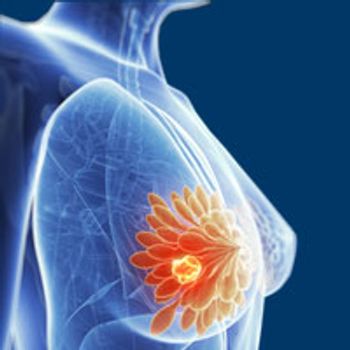
Welela Tereffe, MD, discusses the current state of radiation therapy in breast cancer and the importance of a multidisciplinary approach.

Jenny C. Chang, MD, discusses the significance of molecular testing in breast cancer and how it will lead to an improvement in treatment approaches in 2017 and beyond.
Jennifer A. Woyach, MD, discusses the preliminary results of an ongoing phase II trial of MOR208 combination regimens in chronic lymphocytic leukemia.

Neeraj Agarwal, MD, discusses a trend of underreporting and underemphasizing toxicities associated with PD-1 inhibitors in the treatment of patients with renal cell carcinoma.
Tian Zhang, MD, discusses the development of vaccines to treat patients with renal cell carcinoma.
The tyrosine kinase inhibitor axitinib has been standard in the management of advanced renal cell carcinoma for about 5 years now, but the emergence of new agents has made some members of the oncology community concerned that its significance will be overlooked in favor of more recently approved treatments.
Data from the phase II PERTAIN trial presented late last year at the 2016 San Antonio Breast Cancer Symposium showed that adding an aromatase inhibitor (AI) to pertuzumab and trastuzumab extended progression-free survival by over 3 months versus trastuzumab plus an AI in patients with HER2-positive, HR-positive locally advanced or metastatic breast cancer.

Guru Sonpavde, MD, discusses challenges with sequencing in advanced renal cell carcinoma and his vision for the field going forward.
Denise A. Yardley, MD, discusses the phase II tnAcity trial, the current role of nab-paclitaxel in triple-negative breast cancer, and the potential for using nab-paclitaxel in combination with immunotherapy in this setting.
Researchers are hoping the immunotherapy revolution occurring across several cancer types will extend to the field of sarcoma.