
Sameh Mikhail, MD, discusses the promise of daratumumab, as well as the potential of medical marijuana to curb the adverse events seen with potent anticancer drugs.
Sameh Mikhail, MD, discusses the promise of daratumumab, as well as the potential of medical marijuana to curb the adverse events seen with potent anticancer drugs.

In a study of neoadjuvant sonidegib in men with high-risk localized prostate cancer undergoing prostatectomy, hedgehog pathway activity was detectable at baseline.
It has been a landmark year for immunotherapy in bladder cancer with the approval of 5 checkpoint inhibitors across first and second line.
Stemming from the wave of checkpoint inhibitor approvals, multiple trials have begun evaluating immunotherapies in combination with other agents for the treatment of patients with advanced bladder cancer.

Patrick Borgen, MD, discusses the importance of neoadjuvant therapy in the treatment of patients with HER2-positive breast cancer.
Dan T. Vogl, MD, highlights the potential with CAR T-cell therapy in the multiple myeloma paradigm.
Sara M. Tolaney, MD, discusses the state of adjuvant treatment for patients with HER2-positive breast cancer.
Neeraj Agarwal, MD, recaps the latest advancements in newly diagnosed RCC.

Jonathan Ledermann, MD, discusses the promise of immunotherapy in ovarian cancer and emphasized the importance of participation in clinical trials.

Loren K. Mell, MD, explains his research for risk-stratifying patients with head and neck cancer.
Alexandra Taylor, MD, discusses the advances with targeted therapies in endometrial cancer, as well as the challenges that still exist in the treatment and management of patients with advanced disease.

Maria De Santis, MD, discusses the findings of KEYNOTE-045 and the future of immunotherapy in the treatment landscape of bladder cancer.
Sarah K. Tasian, MD, discusses the success of CAR T-cell therapy, as well as novel agents and immunotherapies that appear promising in the treatment of children with leukemia.

Owen A. O'Connor, MD, PhD, discussed the utilization of acalabrutinib (Calquence), how it sequences with other approved therapies, and the promise for chimeric antigen receptor T-cell therapy in mantle cell lymphoma.

Sumanta K. Pal, MD, discusses advancements in prostate cancer, bladder cancer, and promising results in kidney cancer.
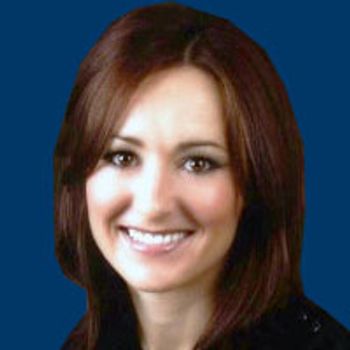
Loretta J. Nastoupil, MD, discusses the study of the triplet of ublituximab, umbralisib (TGR-1202) and ibrutinib in CLL.
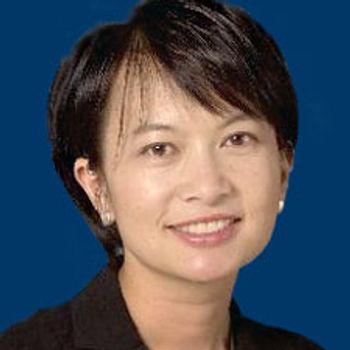
Cathy Eng, MD, discusses optimizing sequencing beyond disease progression in CRC.
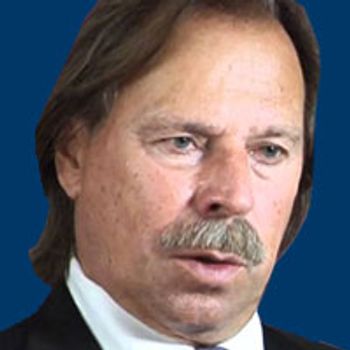
Hans-Joachim Schmoll, MD, discusses updated CHARTA findings, the current role of chemotherapy in patients with metastatic colorectal cancer (CRC), and his predictions for the future CRC treatment landscape.

Gerard Zalcman, MD, discusses the promise of immunotherapy in patients with mesothelioma.

Marina C. Garassino, MD, discusses the evolving paradigm of immunotherapy in NSCLC, with a specific focus on durvalumab and the role of combination therapy.

Umesh Mahantshetty, MD, shares his insight on the state of cervical cancer treatment in developing countries.
Jonathan Ledermann, MD, discussed these results, as well as the future of PARP inhibitors in the maintenance setting for patients with ovarian cancer.

Charles Drake, MD, PhD, discusses the current status of both PARP inhibitors and immunotherapy in prostate cancer, emphasizing that immunotherapy is still very much a player in the prostate cancer field, with ongoing trials exploring checkpoint inhibitors.
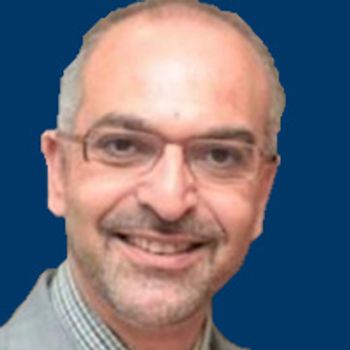
Jalid Sehouli, MD, PhD, discusses the significance of these findings in the treatment of patients with platinum-sensitive recurrent ovarian cancer.
Andrea Apolo, MD, discusses the combination of cabozantinib plus nivolumab and ipilimumab, as well as the latest data on avelumab in urothelial carcinoma.
Mary Jo Fidler, MD, discusses targeting the EGFR-gene activating mutations, first- and second-generation inhibitors, and the potential of osimertinib.
David G. Maloney, MD, PhD, discusses the progress made with CAR T cells, as well as the challenges that still exist in the use of this therapy.
Kathryn A. Gold, MD, discusses HPV status and prognosis, as well recognizing risk factors of virally-associated head and neck squamous cell carcinoma.
Jane N. Winter, MD, discusses immunotherapy in the treatment of patients with Hodgkin lymphoma.

Jayesh Mehta, MD, discusses combination therapies in multiple myeloma, as well as the continued importance of stem cell transplant.