
Kerry A. Rogers, MD, discusses the promise of the obinutuzumab, ibrutinib, and venetoclax triplet as a first-line treatment for patients with chronic lymphocytic leukemia.
Kerry A. Rogers, MD, discusses the promise of the obinutuzumab, ibrutinib, and venetoclax triplet as a first-line treatment for patients with chronic lymphocytic leukemia.
Jean-Bernard Durand, MD, discusses the possibility of repairing cardiac damage in patients with HER2-positive breast cancer.
Ani S. Balmanoukian, MD, discusses developments in genitourinary malignancies with promising immunotherapy breakthroughs in renal cell carcinoma and urothelial carcinoma.
Stephen J. Freedland, MD, shares his insight on how to counsel patients with prostate cancer on the benefits of leading a healthier life.
Julie R. Brahmer, MD, discusses first-line immunotherapy, targeted therapies for molecularly driven tumors, and recently released guidelines for the treatment of patients with lung cancer.
Sarah B. Goldberg, MD, discusses testing for and treating resistance to EGFR TKI therapy in non-small cell lung cancer.
Mark Tyson, MD, discusses the management of localized advanced bladder cancer, the promise of immunotherapy, and his advice for urologists treating patients with bladder cancer.
Lee Schwartzberg, MD, discusses the importance of next-generation sequencing and the state of biomarker development in the management of patients with NSCLC.
Thai H. Ho, MD, PhD, discusses treatment advances in first-line RCC and how biomarker development and optimal sequencing are critical next steps to building on recent breakthroughs.
David R. Spigel, MD, discusses the status of immunotherapy in locally advanced NSCLC and highlights recent milestones.
Carlos R. Bachier, MD, discusses the evolution of stem cell transplantation as a treatment for patients with hematologic malignancies.

Claude Denham, MD, discusses the challenges with immunotherapy in NSCLC cancer, as well as the promise of combination therapy.

Susan F. Slovin, MD, PhD, discusses the multinational PRONOUNCE study and how the results may affect the treatment of patients with prostate cancer.
Jesus Berdeja, MD, reflects on pivotal studies in multiple myeloma and discussed potential advancements in the upcoming year.
Leonard Gomella, MD, shares his insight on the recent FDA approvals and other ongoing progress in the treatment of patients with prostate cancer.

Aiwu Ruth He, MD, PhD, discusses the future of precision medicine in gastrointestinal cancers.
Guru Sonpavde, MD, discusses the importance of clinical trial enrollment for patients with penile cancer.
Jacqueline C. Barrientos, MD, discusses recent combination trials in CLL, and emerging agents in the pipeline.
Peter Martin, MD, reflects on the MCL data presented at the 2017 ASH Annual Meeting, and shares his insight on the future of clinical trials in the disease.

Joaquim Bellmunt, MD, PhD, discusses the updated pembrolizumab findings, as well as the future of immunotherapy in bladder cancer.

Tiffany A. Traina, MD, discusses her experiences with using neratinib and pertuzumab, and shares her excitement on the direction in which the HER2-positive breast cancer field is moving.
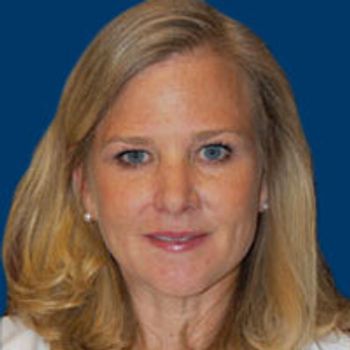
Kimberly L. Blackwell, MD, discusses novel agents and other recent advancements in the treatment paradigm of HER2-positive breast cancer.
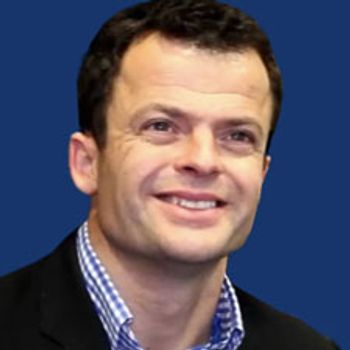
Thomas Powles MBBS, MRCP, MD, discusses the findings from the CheckMate-214 trial, as well as continuing studies in immunotherapy and targeted therapy in kidney cancer.
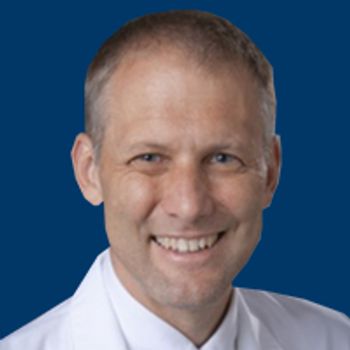
Thomas Eldridge Stinchcombe, MD, recaps recent data with immunotherapy as a single agent and in combination in NSCLC and what challenges the field is facing in 2018.
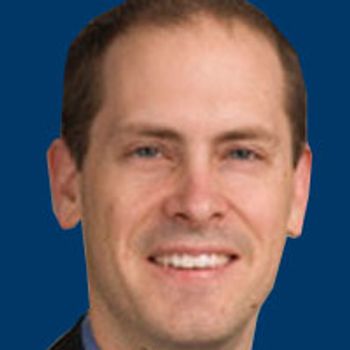
Michael J. Overman, MD, discusses updated findings from the single-agent nivolumab CheckMate-142 cohort and combination data for nivolumab/ipilimumab from the pivotal trial.
Cristina Gasparetto, MD, discusses selinexor in combination with daratumumab and dexamethasone in patients with relapsed/refractory myeloma.
Jennifer A. Chan, MD, discusses the significance of the phase II results of cabozantinib in patients with carcinoid tumors and pancreatic NETs.
Selective bladder preservation has been suggested as a potential alternative to cystectomy in patients with bladder cancer who have a transitional cell carcinoma pathology.

Enrico Tiacci, MD, discusses the high potential with the combination of vemurafenib and rituximab in relapsed/refractory patients with hairy cell leukemia.

Frederick L. Locke, MD, discusses the initial data for axicabtagene ciloleucel (axi-cel; Yescarta) plus atezolizumab (Tecentriq) in diffuse large B-cell lymphoma, and reflected on the long-term survival data from the ZUMA-1 trial.