
Eric Smith, MD, PhD, discusses the development of novel CAR T-cell therapies for patients with multiple myeloma.
Eric Smith, MD, PhD, discusses the development of novel CAR T-cell therapies for patients with multiple myeloma.
Ronald S. Go, MD, discusses the current treatment strategies of patients with ITP, as well as the process that some physicians use to determine whether a patient is suffering from the disorder.
Matthew Powell, MD, discusses the promise of immunotherapy in ovarian cancer despite its challenges.
Researchers are exploring combination approaches with ruxolitinib (Jakafi) in myelofibrosis as a potential strategy for reinvigorating the drug’s effect in patients who progress, relapse, or become intolerant on single-agent treatment with the JAK inhibitor.
The pipeline for relapsed/refractory mantle cell lymphoma treatment is beginning to evolve with novel agents and combination regimens that have the potential to improve patient outcomes.
Frontline therapy may be able to be avoided in asymptomatic, young, fit patients with mantle cell lymphoma.
Updated safety data of the ASPIRE and ENDEAVOR trials showed that carfilzomib-based (Kyprolis) regimens demonstrate benefit across patient populations of multiple myeloma.
While clinical trial findings with chimeric antigen receptor (CAR) T-cell therapy have impacted the landscape of pediatric acute lymphoblastic leukemia, additional CAR T-cell products continue to be investigated.
Early identification of inherited predisposition to forms of myelodysplastic syndrome and acute myeloid leukemia in pediatric patients can assist in treatment decisions and selection for familial stem cell transplant.
Julio C. Chavez, MD, discusses prognostic indicators and systemic treatment updates for patients with acute lymphoblastic leukemia.
Richard D. Hall, MD, recaps updates from the 2018 AACR Annual Meeting and the 2018 ASCO Annual Meeting in non–small cell lung cancer.
Matthew Ladra, MD, MPH, discusses the treatment of patients with esthesioneuroblastoma, emphasizing the need for collaboration in this rare malignancy.
Josephine L. Feliciano, MD, discusses the role of immunotherapy and the potential of targeted agents in small cell lung cancer.
Ophira Ginsburg, MD, discusses cervical cancer prevention, screening, and elimination on a global scale.
Zhaoming Wang, PhD, discusses the first assessment of the joint effects of rare and common genetic variations in survivors of childhood cancers.
Quizartinib, a small molecule receptor tyrosine kinase inhibitor targeting FLT3, is currently being evaluated in combination with chemotherapy in patients with newly diagnosed FLT3-ITD–positive AML.
Panagiotis A. Konstantinopoulos, MD, PhD, discusses the findings of the TOPACIO/KEYNOTE-162 study and the future for PARP inhibitor combinations and immunotherapy overall in ovarian cancer.
Joseph V. Simone, MD, is best known for leading the research efforts that resulted in the first curative combination treatment for certain pediatric patients with acute lymphoid leukemia. Under his leadership, the St. Jude Children’s Research Hospital in Memphis, Tennessee, was designated the first and only National Cancer Institute cancer center dedicated to children. He was honored in the Pediatric Oncology category with a 2017 Giants of Cancer Care® award.
Danny Rischin, MD, MBBS, FRACP, discusses the potential for cemiplimab as a novel PD-1 inhibitor for patients with metastatic and locally advanced cutaneous squamous cell carcinoma.
Shirley Michelle Shiller, DO, discusses the clinical application of precision medicine in gastrointestinal cancer.
Angeles Alvarez Secord, MD, discusses recent updates in ovarian cancer, with an emphasis on the clinical significance of genetic testing.
Patients with mutations in NTRK, RET, MET, HER2, and KRAS G12C have limited therapeutic options, but potentially promising agents are on the horizon.
Jonathon B. Cohen, MD, discusses the potential benefit of offering deferred therapy to asymptomatic patients with mantle cell lymphoma.
Stephen M. Ansell, MD, PhD, discusses overcoming immune evasion in lymphoma.
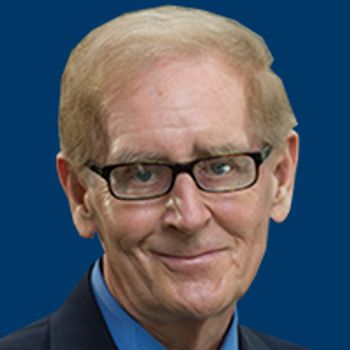
Gary H. Lyman, MD, FASCO, interprets the available information on biosimilars as it relates to the clinical oncology community.
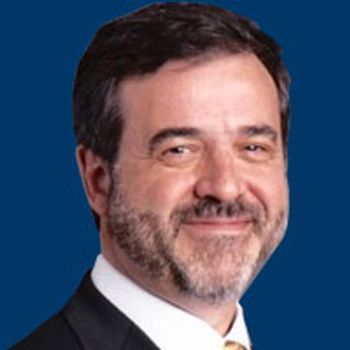
Francisco J. Esteva, MD, PhD, discusses the journey of CT-P6 and its promise as a potential biosimilar for trastuzumab in the United States.
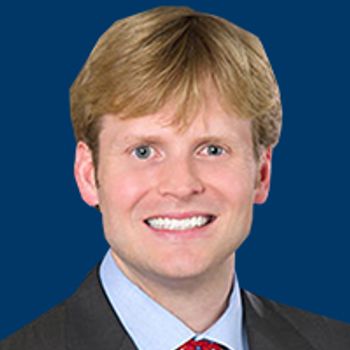
Scott Paulson, MD, discusses recent updates in the treatment of patients with neuroendocrine tumors.
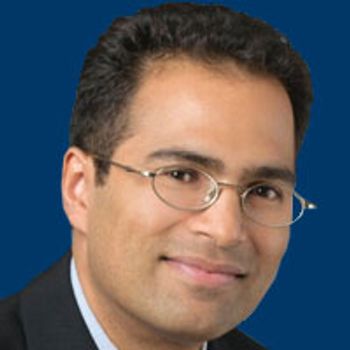
Naveen Pemmaraju, MD, discusses SL-401 and the future of treatment for patients with blastic plasmacytoid dendritic cell neoplasm.
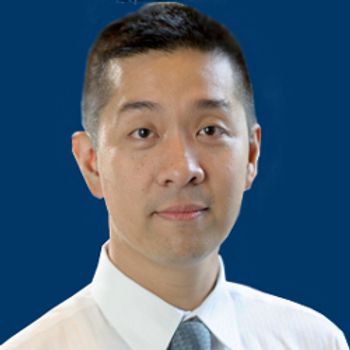
Alexander E. Drilon, MD, discusses the data with LOXO-292 thus far and the promise for this agent in patients with RET alterations.
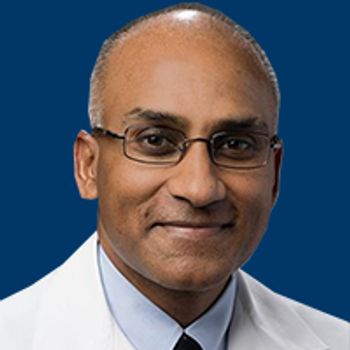
Suman Kambhampati, MD, discusses the impact of next-generation sequencing on treatment selection, updates in the inhibition of BCL-2, IDH1/2, and FLT3-ITD, and new agents on the horizon for the treatment of patients with acute myeloid leukemia.