
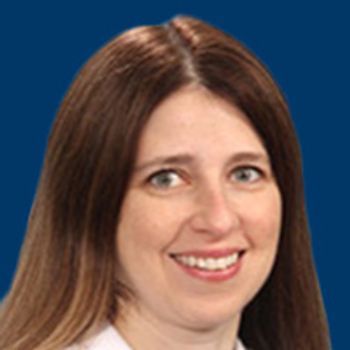
Meagan A. Jacoby, MD, PhD, discusses treatment-free remissions in patients with chronic-phase chronic myeloid leukemia.
Meagan A. Jacoby, MD, PhD, discusses treatment-free remissions in patients with chronic-phase chronic myeloid leukemia.
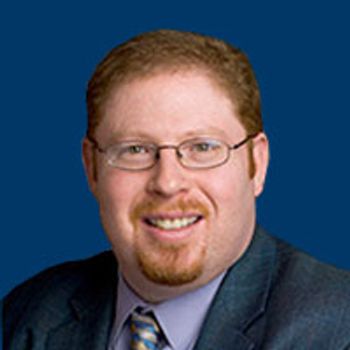
Jonathan E. Rosenberg, MD, discusses the extended follow-up of the CheckMate-032 study, as well as the future of immunotherapy in urothelial carcinoma.
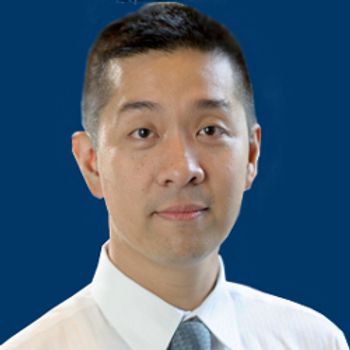
Alexander E. Drilon, MD, discusses developing markers in the non–small cell lung cancer paradigm.
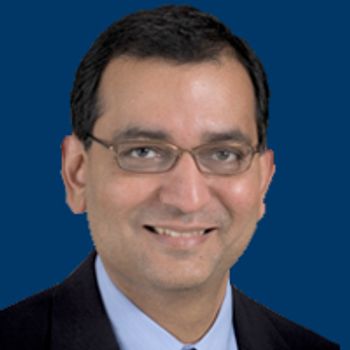
Milind Javle, MD, discusses findings from a phase II study of infigratinib in patients with intrahepatic cholangiocarcinoma, emphasizing the importance of molecular testing.
The second-line treatment of gastric and gastroesophageal junction cancers has shifted considerably in the last few years, due in part to the addition of immunotherapy for select subgroups of patients.

Juan Manuel O’Connor, MD, discusses the final results of the CORRELATE regorafenib study in patients with metastatic colorectal cancer, emphasizing the importance of real-world data.
In a presentation during an OncLive® State of the Science Summit™, Melanie Majure, MD, discussed the duration of endocrine-directed therapy for estrogen receptor–positive breast cancer.
Martina Weise, MD, discusses the journey of biosimilars as supportive care for patients with cancer, as well as the future of their use as treatment.
Peter Schmid, MD, PhD, shares the results of IMpassion130 and discussed his thoughts on the future of immunotherapy in breast cancer.
Ezra Cohen, MD, discusses the future role of immunotherapy in the treatment of patients with head and neck squamous cell carcinoma.
Mark Widmann, MD, discusses the role of surgery in the treatment of patients with early-stage lung cancer.
Extended follow-up data from the CheckMate-032 study shows a trend toward higher overall response and longer progression-free survival with the regimen of nivolumab at 1 mg/kg plus ipilimumab at 3 mg/kg in patients with platinum-pretreated metastatic urothelial carcinoma.
The PARP inhibitor olaparib significantly improved progression-free survival as frontline maintenance therapy for women with BRCA-positive advanced ovarian cancer, according to findings from the randomized phase III SOLO-1 trial.
The combination of tepotinib plus gefitinib improved progression-free survival and overall response versus chemotherapy in patients with MET mutated EGFR-positive non–small cell lung cancer resistant to prior EGFR TKI therapy.
Adding radium-223 dichloride to abiraterone acetate and prednisone did not improve survival in patients with metastatic castration-resistant prostate cancer.
Leonard G. Gomella, MD, professor, chair, Department of Urology, director, Sidney Kimmel Cancer Center, Thomas Jefferson University Hospital, discusses the shifting landscape of nonmetastastic CRPC, along with other developments across the prostate cancer paradigm.
Ruth O’Regan, MD, discusses the excitement with biosimilars and the potential impact they could have on the US drug market.
Vivian G. Oehler, MD, discusses the diagnosis, risk prognostication and therapeutic strategies for polycythemia vera, essential thrombocytopenia, and myelofibrosis.
Afsaneh Barzi, MD, discusses updates in the treatment of patients with pancreatic cancer, as well as the importance of genetic testing.
Laura J. Esserman, MD, MBA, discusses the goals of the I-SPY trials and their impact thus far on patients with high-risk early breast cancer.

The FDA’s Oncologic Drugs Advisory Committee voted 16-0 recommending approval of the rituximab biosimilar CT-P10 for 3 non-Hodgkin lymphoma indications.

Within the last decade, the FDA has approved 8 new agents for the treatment of patients with chronic lymphocytic leukemia.
Among new advances in multiple myeloma, high-dose chemotherapy and allogeneic stem cell transplant remain the go-to frontline treatment for patients with newly diagnosed multiple myeloma.
James P. Allison, PhD, reflects on his research in immunology, the impact it has had on patients with cancer, and where the field is headed.
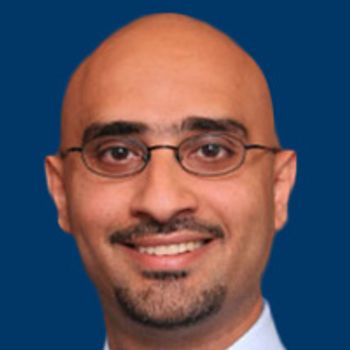
Ehab Atallah, MD, discusses the discontinuation of treatment for patients with chronic myeloid leukemia.
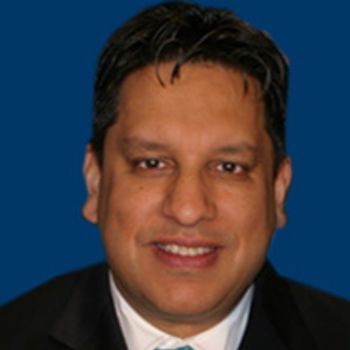
Krishnansu S. Tewari, MD, discusses the exploration of cemiplimab and the promise of immunotherapy in cervical cancer.
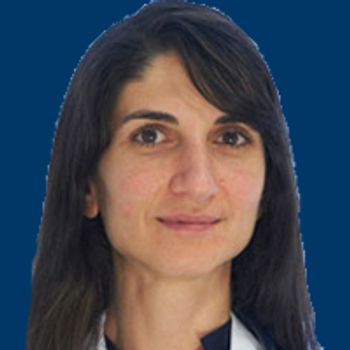
Yelena Y. Janjigian, MD, discusses the reality of biosimilars entering the US market and how oncologists should approach discussing these agents with their patients.
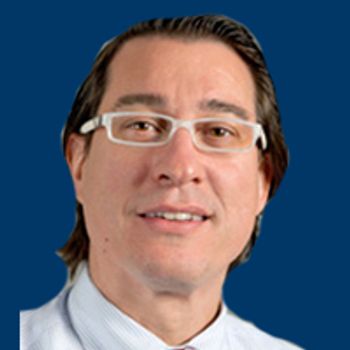
Javier A. Pinilla-Ibarz, MD, PhD, discusses updates in the treatment of patients with chronic lymphocytic leukemia.
Advances in subtype-specific treatments, immunotherapy, ongoing issues with younger patients, the optimal use of neoadjuvant and adjuvant regimens, and molecular testing will be discussed at the 20th Annual Lynn Sage Breast Cancer Symposium.
Joshua J. Meeks, MD, PhD, discusses the current understanding of genomics in bladder cancer.