
Mark J. Truty, MD, discusses sequencing treatments and advances in imaging technology in pancreatic cancer.
Mark J. Truty, MD, discusses sequencing treatments and advances in imaging technology in pancreatic cancer.
Victoria M. Villaflor, MD, discusses driver mutations in NSCLC and remaining challenges in treating patients with targetable disease.
Andre Goy, MD, discusses the excitement surrounding novel therapies on the horizon in MCL.
Rachel A. Freedman, MD, discusses treating patients with HER2-positive breast cancer who develop CNS metastases, and the promise that neratinib holds in this patient population.
Alessandra Ferrajoli, MD, discusses the risks of developing secondary malignancies in patients with chronic lymphocytic leukemia.
Andre Goy, MD, discusses the recent success with CAR T-cell therapy, and what is on the horizon for this therapeutic option across hematologic malignancies.
Lawrence E. Feldman, MD, discusses first- and second-line therapy with checkpoint inhibitors in NSCLC, and the promise that emerging combinations could have on the field.
The National Comprehensive Cancer Network guidelines for the management of polycythemia vera and essential thrombocythemia have been updated to create a more uniform system of management for healthcare providers to follow in clinical practice.
Shaji K. Kumar, MD, discusses proper diagnosis, risk stratification, and personalized medicine for patients with newly-diagnosed multiple myeloma.
William G. Wierda, MD, PhD, discusses the continued importance of ibrutinib, the promise for novel combinations, and the impact this progress has had on sequencing for CLL.
Harry H. Yoon, MD discussed the promise of immunotherapy and emphasized the importance of mismatch repair deficiency testing in gastric/GEJ Cancer.
Andrew J. Armstrong, MD, discusses emerging treatments and techniques for precision medicine in metastatic castration-resistant prostate cancer.
Thomas A. Hensing, MD, discussed that modern technology and novel therapeutics must be managed by a multidisciplinary team to achieve optimal outcome for patients with stage III non-small cell lung cancer.

Philip D. Bonomi, MD, discusses some of the known biomarkers in non-small cell lung cancer (NSCLC), the utilization of PD-L1, and other testing modalities.
Brant Inman, MD, discusses the biology of bladder cancer, the evolving role of checkpoint inhibitors, and the future of chemotherapy in the disease.
Merrick I. Ross, MD, discusses ongoing challenges in melanoma, including treating liver metastases, the diminished yet important role of surgery, and the need for better biomarkers.
Harry Erba, MD, PhD, reflects on the 4 approvals and their effect on the treatment of AML moving forward.
Optimizing frontline therapy for patients with pancreatic cancer is an ongoing focal point in the field.
Guy Young, MD, discussed the use of anticoagulants in managing thromboembolic events in pediatric cancer.
Rahul Aggarwal, MD, discussed the success of recent studies of androgen-deprivation therapy in prostate cancer, as well as its future utilization in various stages of disease.
Heinz-Josef Lenz, MD, discusses his study of molecular variations between small bowel adenocarcinomas, right-sided colon cancers, and gastroesophageal cancers.
Direct acting antivirals are a novel and completely oral hepatitis C therapy that is associated with a high response rate in hepatocellular carcinoma (HCC).
Precision screening for hepatocellular carcinoma (HCC) could improve on current screening techniques through its risk-stratifying approach.
In an ongoing phase II trial, researchers are investigating several targeted agents for use in the treatment of patients with glioblastoma (GBM).
Sylvia Adams, MD, discusses ongoing clinical developments with immunotherapy in breast cancer.
Eleftherios (Terry) P. Mamounas, MD, discusses whether 10 years was superior to the widely practiced 5 years of adjuvant hormone therapy for patients with breast cancer.
Antonia R. Sepulveda, MD, PhD, discusses the importance and utility of genetic testing in GI cancers, as well as noteworthy developments in microsatellite instability, BRAF, and KRAS testing in colorectal cancer.
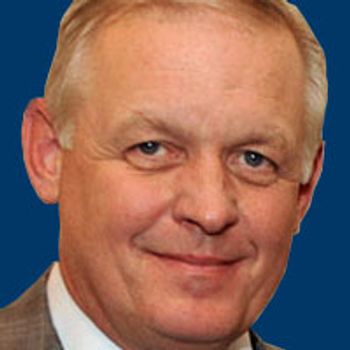
William J. Gradishar, MD, discusses the latest developments in the HER2-positive setting, as well as biomarker development and the potential for immunotherapy in breast cancer.
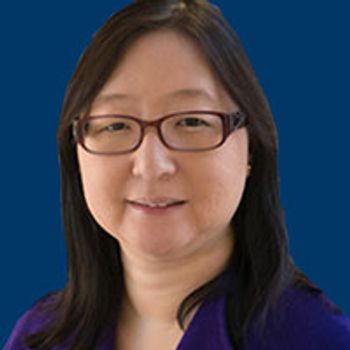
Eunice Wang, MD, discusses the next steps for crenolanib and other emerging FLT3 inhibitors in AML.
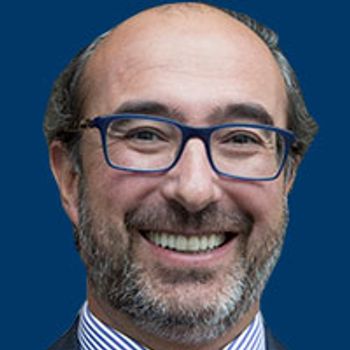
Manuel Hidalgo, MD, discusses his insight on the growth of genetic testing in CRC.