
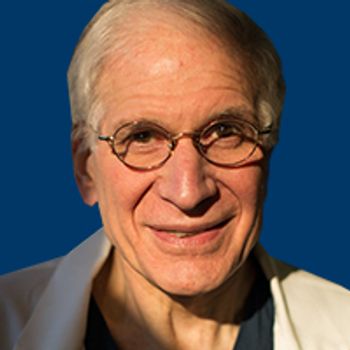
Edward Messing, MD, discusses how treatment with gemcitabine following transurethral resection of bladder tumors reduced the risk of recurrence by 34% in patients with non-muscle invasive disease.
Edward Messing, MD, discusses how treatment with gemcitabine following transurethral resection of bladder tumors reduced the risk of recurrence by 34% in patients with non-muscle invasive disease.
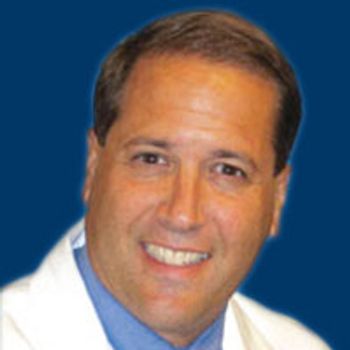
Adam M. Brufsky, MD, PhD, discusses neratinib, overcoming resistance to HER2-targeted therapy, and the impact of newer agents in HER2-positive breast cancer.
Daniel J. Landsburg, MD, discusses the management of patients with double-hit lymphoma who have achieved remission.
Researchers are hoping to build on the success of the KEYNOTE-012 and CheckMate-141 trials, which led to the approvals of pembrolizumab and nivolumab, respectively, by examining anti–PD-1/PD-L1 agents in the frontline and as a part of combination regimens for patients with head and neck cancer.
Tim F. Greten, MD, discussed the evolving role of immunotherapy in hepatocellular carcinoma.

Fahima Dossa, MD, discussed the potential of using a watch-and-wait approach in the management of patients with rectal cancer.
Jonathan Strosberg, MD, discusses recent developments and emerging agents in the field of neuroendocrine tumors.
Wolfgang Janni, MD, PhD, discusses toxicity management with neratinib and other agents for HER2-positive breast cancer, as well as emerging treatments and impactful trials in the field.

W. Marston Linehan, MD, discusses the landscape of kidney cancer, current clinical trials, and hope for the future of immunotherapy in this disease.
Bruno Sangro, MD, PhD, discusses the CheckMate-040 data and the future of immuno-oncology agents in HCC.
Thomas Flaig, MD, discusses the study of abiraterone acetate in metastatic prostate cancer after hormone induction failure and its impact on future research in this setting.

Amit Singal, MD, discusses the recent successes in the hepatocellular carcinoma treatment landscape and the challenges that still remain.
Jordi Bruix, MD, discusses the success of regorafenib in hepatocellular carcinoma and its impact on the field going forward.
Nadine Abi-Jaoudeh, MD, discusses a study of tirapazamine and transarterial embolization and the promise of combinations in hepatocellular carcinoma.
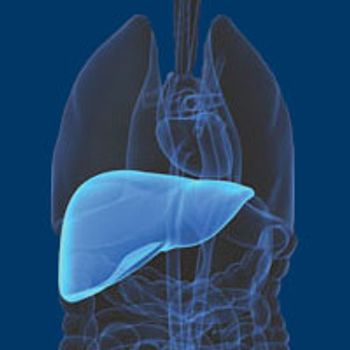
MicroRNA-34a, one of the most documented tumor suppressor microRNAs, is being evaluated as a potential therapeutic target in hepatocellular carcinoma.
C. Kent Osborne, MD, sheds light on the current and future treatment of HER2-positive breast cancer.
Steven J. Katz, MD, discusses his study of patient reaction to surgeon recommendations about contralateral prophylactic mastectomy for patients with breast cancer.

Dhanya Nambiar, PhD, discusses the role of galectin-1 in the tumor microenvironment, and the potential for targeting this protein in patients with head and neck cancer.
Rekha Rao, PhD, discusses targeting p97 in mantle cell lymphoma.
Alfred L. Garfall, MD, discusses the latest developments with CAR T-cell therapy in hematologic malignancies
Celestia Higano, MD, discusses the early use of chemotherapy, the potential for PARP inhibitors, and the evolving role of radium-223 in prostate cancer.
Shitanshu Uppal, MD, discusses the critical challenges to research and treatment advances in cervical and endometrial cancer.
Ursula A. Matulonis, MD, discusses the latest regulatory advances with PARP inhibitors and their continued growth in the treatment of patients with ovarian cancer.
Mark D. Pegram, MD, discusses resistance mechanisms being studied in the quest to overcome resistance to HER2-targeted therapy in breast cancer.
Daniel A. Barocas, MD, discusses the benefits of active surveillance in patients with low-risk prostate cancer.
Shitanshu Uppal, MD, discusses a study of racial and ethnic disparities in guideline-based care for women with locally advanced cervical cancer and the need for a more comprehensive registry process.
Mohammad Jahanzeb, MD, discusses the SystHERs trial, which was designed to provide real-world insight into current treatment patterns, long-term survival, and patient experience with multiple different treatments for HER2-positive metastatic breast cancer.

Tanguy Seiwert, MD, discussed advances and next steps with immunotherapy, as well as the overall challenges and goals for treating patients with head and neck cancer.
Michel Sadelain, MD, PhD, discusses CRISPR and its effect on CAR T cells.
Scott Tagawa, MD, discusses the latest findings with sacituzumab govitecan in patients with metastatic urothelial cancer.