
David R. Wise, MD, PhD, discusses the promise for immunotherapy and other emerging approaches in the field of prostate cancer.
David R. Wise, MD, PhD, discusses the promise for immunotherapy and other emerging approaches in the field of prostate cancer.
Jesus Berdeja, MD, discusses ongoing research with bb2121 in patients with relapsed/refractory myeloma.

Michael J. Pishvaian, MD, PhD, discusses the findings with entrectinib in this population, as well as the potential implications of widespread molecular testing in pancreatic cancer.
Mansoor Raza Mirza, MD, discusses the initial findings and next steps for the promising niraparib plus bevacizumab combination in ovarian cancer, as well as overall advances with PARP inhibitors in the field.
Jeffrey S. Weber, MD, PhD, discusses the future of immunotherapy in the treatment of melanoma.
The combination of cetuximab and pembrolizumab was found to be well tolerated in patients with RAS wild-type metastatic colorectal cancer.
Tanios Bekaii-Saab, MD, discusses the results and significance of the ReDOS study in metastatic colorectal cancer, as well as shared some insight on the Reverce trial.
Babis Andreadis, MD, discusses the successes seen with CAR T-cell development in the past year and the use of CAR T-cell therapy in patients with NHL.
The combination of the VEGFR-2 inhibitor ramucirumab plus the anti-PD-L1 agent durvalumab demonstrated antitumor activity in patients with previously treated advanced gastric or gastroesophageal junction adenocarcinoma.
Wei Z. Ai, MD, discusses the impact of brentuximab vedotin, as well as the potential with mogamulizumab in cutaneous T-cell lymphoma.
Maurie Markman, MD, discusses the need to change the paradigm of clinical trials and FDA approvals in ovarian cancer.
Martee L. Hensley, MD, discusses the role of MSI-H and dMMR testing in the management of endometrial cancer.
Jia Ruan, MD, PhD, discusses the pivotal analysis of the combination of lenalidomide plus rituximab, as well as the next steps for this regimen in the field of mantle cell lymphoma.
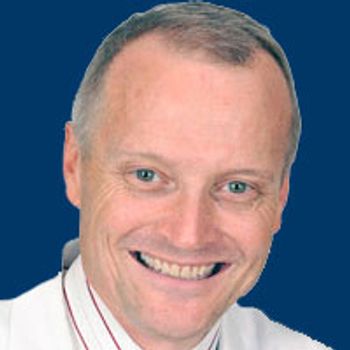
John L. Marshall, MD, recaps some of the biggest CRC advancements of 2017, and explains what those successes mean for the treatment paradigm moving forward.
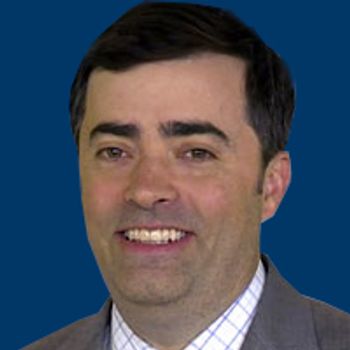
David F. McDermott, MD, discusses the successes with immunotherapy in renal cell carcinoma and gave his insight on the future treatment of these patients.
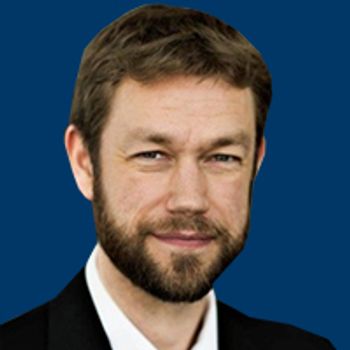
Jesper B. Andersen, MSc, PhD, discusses the findings of a study evaluating a single-gene dissection approach in patients with intrahepatic cholangiocarcinoma.
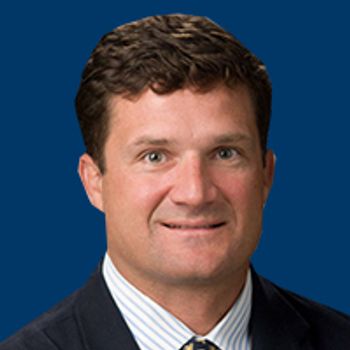
Christopher Crane, MD, discusses modern innovative techniques in GI cancers.
Robert L. Coleman, MD, discusses targeting tumor vasculature and angiogenesis in ovarian cancer.
Raghava R. Induru, MD, discusses lesser-known mutations in non-small cell lung cancer, such as TRK and BRAF.
Bradley J. Monk, MD, discusses pivotal trials, as well as the potential for immunotherapy in ovarian cancer.
Tian Zhang, MD, discusses KEYNOTE-564, as well as the progress that immunotherapy has made in the treatment paradigm of patients with RCC.
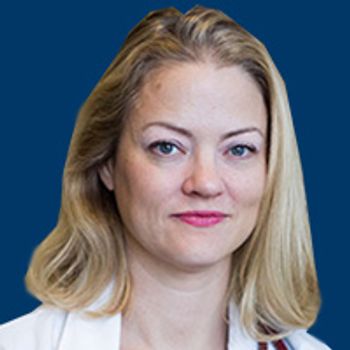
Julie Graff, MD, comments on the state of immunotherapy in mCRPC and some ongoing research in the field.

Assuntina G. Sacco, MD, discusses the importance of multidisciplinary care for patients with head and neck cancer.

Michael Wang, MD, discusses the impact of acalabrutinib on patients with mantle cell lymphoma, ongoing progress in the field, and The University of Texas MD Anderson Cancer Center
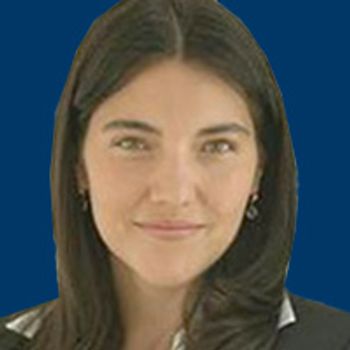
Andrea Apolo, MD, discusses the management of immune-related adverse events in the treatment of bladder cancer.
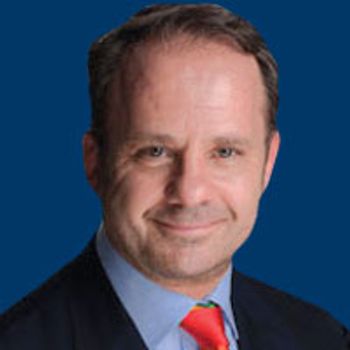
Andre Goy, MD, sheds light on some studies as well as future treatment options for patients with mantle cell lymphoma (MCL).
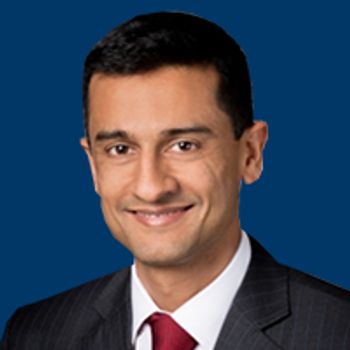
Shubham Pant, MD, stresses the importance of clinical trials as an avenue to establish more novel treatment decisions in colorectal cancer.
Michael B. Atkins, MD, discusses hotly debated adjuvant treatment options for patients with melanoma, and the potential for neoadjuvant therapy.
Harriet Kluger, MD, discussed the lack of clinical trial inclusion for patients with melanoma who have brain metastases, as well as promising regimens coming down the pike.
Noelle Frey, MD, discusses the FDA approvals of CAR T-cell therapies, as well as the bright future of the treatment.