
A multimodality approach to treatment, which included sequential chemotherapy and radiation therapy followed by surgery, resulted in successful resection for most patients with marginally inoperable soft tissue sarcomas.

Senior Editor, OncLive®
Courtney Marabella joined the MJH Life Sciences team in 2021 and is Senior Editor for OncLive®. Prior to joining the company she worked as the Audience Development Editor for the Asbury Park Press, part of the USA Today Network. Email: cmarabella@onclive.com
A multimodality approach to treatment, which included sequential chemotherapy and radiation therapy followed by surgery, resulted in successful resection for most patients with marginally inoperable soft tissue sarcomas.

Multicancer early detection tests yielded high specificity and accuracy in predicting cancer signal origin and identified cancer signals in multiple tumor types.

Brain imaging should be considered for patients with advanced or metastatic renal cell carcinoma who have a high metastatic burden and who have progressed after treatment with first-line therapies.

Raajit K. Rampal, MD, PhD, discusses symptom management in patients with myelofibrosis, defining disease progression, and key considerations for starting or delaying treatment.

The addition of venetoclax to lenalidomide and rituximab resulted in a high response rate and encouraging minimal residual disease undetectability in patients with newly diagnosed mantle cell lymphoma—even in those with high-risk features.

A new prognostic tool, the nomogram, has demonstrated the ability to predict outcomes following treatment with lutetium-177 prostate-specific membrane antigen in patients with metastatic castration-resistant prostate cancer, and could potentially be used to inform future trial designs and clinical decisions.

Completion of treatment options such as surgery, chemotherapy, and radiation within 38 weeks from a diagnosis with breast cancer was associated with improved survival in this population.

The investigational therapy ficlatuzumab in combination with cytarabine demonstrated encouraging clinical efficacy with favorable tolerability when used as a treatment in patients with high-risk acute myeloid leukemia.

Nivolumab plus chemotherapy or ipilimumab showcased superior overall survival over chemotherapy alone in previously untreated patients with advanced esophageal squamous cell carcinoma.

A new experimental treatment arm examining pamrevlumab in combination with gemcitabine and nab-paclitaxel as a first- or second-line treatment for patients with metastatic pancreatic cancer has been added to the novel clinical trial platform Precision Promise, which is being conducted by the Pancreatic Cancer Action Network.

By adapting adjuvant therapy based on responses to preoperative therapy, investigators may be able to change long term outcomes for patients with HER2-positive breast cancer, creating a paradigm shift in the space.

David Sallman, MD, discusses the role of hypomethylating agents in the treatment of patients with higher-risk myelodysplastic syndrome, the promise of pevonedistat in this population, the hunt for biomarkers of response to treatment, and remaining areas of unmet need to address with future efforts.
Neal Shore, MD, FACS, discusses the impact of crossover from placebo to darolutamide on OS benefit in patients with nmCRPC enrolled to the ARAMIS trial, and next steps for the androgen receptor inhibitor.

Prithviraj Bose, MD, discusses data with pelabresib from the MANIFEST trial and future research directions for BET inhibition in patients with myelofibrosis.
The BNT162b2 mRNA COVID-19 vaccine may demonstrate decreased efficacy in patients with certain types of hematologic cancers, such as chronic lymphocytic leukemia and multiple myeloma.

Fixed-duration ibrutinib plus venetoclax produced superior progression-free survival when compared with chlorambucil plus obinutuzumab in the frontline treatment of patients with chronic lymphocytic leukemia, with durable responses observed in those who achieved undetectable minimal residual disease negativity.

Naveen Pemmaraju, MD, discusses approaches to adequately manage symptoms experienced by patients with myelofibrosis, challenges faced with defining disease progression, and strategies for when to initiate or delay treatment.
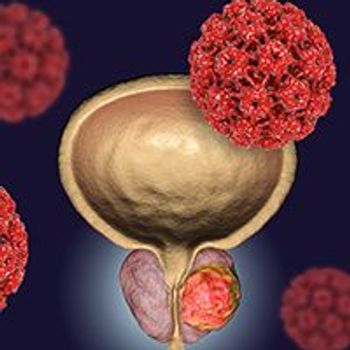
Abiraterone acetate plus prednisone should be considered as the first treatment choice for patients with newly diagnosed metastatic castration-resistant prostate cancer if fatigue is a concern.

The combination of galinpepimut-S and pembrolizumab has demonstrated promising clinical immunobiological activity in patients with Wilms Tumor 1–positive, relapsed or refractory, platinum-resistant advanced metastatic ovarian cancer, according to results from an ad-hoc analysis of a phase 1/2 trial.

Tanios Bekaii-Saab, MD, spotlights the recent developments made in gastrointestinal cancers.

Ruben Mesa, MD, discusses what makes pacritinib a unique option in the myelofibrosis landscape, future efforts with the agent, and where the drug might fit into the paradigm if approved.

Eunice Wang, MD, discusses the KOMET-001 trial, the potential for KO-539 to address an unmet need in acute myeloid leukemia, and the future of menin inhibition in this disease.

David P. Mason, MD, discusses new neoadjuvant and adjuvant developments in the treatment of patients with non–small cell lung cancer, as well as what those data mean from a surgical perspective.

Gilberto Lopes, MD, discusses the latest developments made in the treatment of patients with non–small cell lung cancer whose tumors harbor genetic alterations and the clinical implications of recent regulatory approvals.
Nizar Tannir, MD, FACP, discusses the results of the phase 2 CANTATA trial with telaglenastat plus cabozantinib and future research directions for the glutaminase inhibitor.

Peter Martin, MD, discusses discrepancies in real-world patterns of care for patients with MCL and what can be done to overcome them.

Arun Azad, MBBS, PhD, FRACP, discusses the rationale that inspired the launch of the UpFrontPSMA trial, and highlights past and future research directions with 177Lu-PSMA-617 in the treatment of patients with prostate cancer.

For patients with myelofibrosis who have platelets counts of less than 50,000, pacritinib represents a potential therapeutic option that can fill a need that has been unmet with other approved JAK inhibitors, such as ruxolitinib and fedratinib.

Tanya Dorff, MD, discusses encouraging data from a study evaluating bright white light in older patients with prostate cancer and updates from the phase ARAMIS trial.

City of Hope has entered into a licensing agreement with Imugene Ltd. for the patents covering a combination immunotherapy that enables CD19-directed CAR T-cell therapies to target and eradicate difficult-to-treat solid tumors.