

Olwen Hahn, MD, discusses the clinical significance of the KATHERINE and FeDeriCa trials in the treatment of patients with early-stage HER2-postive breast cancer.

Senior Editor, OncLive®
Courtney Marabella joined the MJH Life Sciences team in 2021 and is Senior Editor for OncLive®. Prior to joining the company she worked as the Audience Development Editor for the Asbury Park Press, part of the USA Today Network. Email: cmarabella@onclive.com
Olwen Hahn, MD, discusses the clinical significance of the KATHERINE and FeDeriCa trials in the treatment of patients with early-stage HER2-postive breast cancer.

Syed M. Quadri, MD, discusses the role of surgery in early-stage and locally advanced lung cancer, as well future directions with robotic and minimally invasive surgery.

The first patient has received treatment with fam-trastuzumab deruxtecan-nxki in the phase 2 DESTINY-CRC02 trial, which is exploring the safety and efficacy of the antibody-drug conjugate in patients with HER2-overexpressing, BRAF wild-type, RAS-mutant or wild-type or mutant locally advanced, unresectable or metastatic colorectal cancer who have progressed following treatment with standard chemotherapy.

Following feedback from the FDA, IMV Inc. and Merck have entered into an agreement to open a phase 2b clinical trial examining the combination of maveropepimut-S and pembrolizumab plus low-dose cyclophosphamide in patients with recurrent/refractory diffuse large B-cell lymphoma.
Earle F. Burgess, MD, discusses optimizing the use of PARP inhibitors in the treatment of patients with advanced prostate cancer.
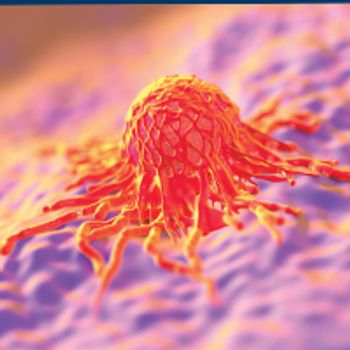
Intraperitoneal radioimmunotherapy with the anti-B7H3 murine monoclonal antibody 131I-omburtamab was well tolerated with low radiation exposure to normal organs, making it a feasible option to combine with other therapies in patients with desmoplastic small round cell tumor.

In patients with renal cell carcinoma, factors that determine whether a partial or full nephrectomy should be performed include tumor location and size, but efforts should be made to perform partial nephrectomies whenever possible to preserve kidney function.

The National Comprehensive Cancer Network® has added the CDK4/6 inhibitor trilaciclib to its Clinical Practice Guidelines in Oncology for small cell lung cancer as well as for supportive care for hematopoietic growth factors.

With immunotherapy options expanding for patients with a range of gastrointestinal cancers to include combination strategies with chemotherapy, their use in the treatment course should come sooner rather than later for those with high PD-L1 expression.

William Gradishar, MD, discusses the phase 2 data evaluating the activity with IV cetirizine and its potential use in patients with breast cancer.
Zev A. Wainberg, MD, discusses the role of neoadjuvant chemotherapy in resectable pancreatic cancer, emerging approaches in locally advanced disease, the promise of PARP inhibitors in the metastatic setting, and other future research directions of interest.
The novel T-cell–engaging bispecific antibody glofitamab demonstrated encouraging clinical activity, with frequent and durable complete remissions, and a manageable toxicity profile in patients with predominantly refractory, aggressive B-cell lymphoma.
The frontline treatment landscape of renal cell carcinoma is exploding with immunotherapy-based options.

Kristen Marrone, MD, discusses the evolving role of postoperative radiotherapy in early-stage non–small cell lung cancer and ongoing trials examining the use of immunotherapy and targeted agents in patients with unresectable stage III disease.
When considering which frontline option to administer to a patient with renal cell carcinoma, it is important to first understand which risk group they belong to.

Combining the 31-gene expression profile test with current American Joint Committee on Cancer staging guidelines may improve risk assessment in patients with cutaneous melanoma, as well as determine which patients could be candidates for more intense follow-up.

Chronic immune-related adverse effects arising from adjuvant anti–PD-1 therapy in patients with high-risk melanoma are more common than previously recognized, and often persisted with longer follow-up.

Raymond Wadlow, MD, discusses the emergence of combination chemotherapy regimens in metastatic pancreatic cancer and the promise of emerging strategies that are under exploration.
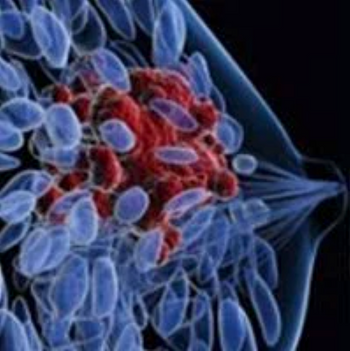
A triplet combination regimen that targets PIK3CA mutations, ER, and CDK4/6 can reduce and inhibit tumor growth in preclinical models of estrogen receptor–positive breast cancer that is resistant to fulvestrant plus a CDK4/6 inhibitor or PI3K inhibitor.

Significant tumor necrosis was observed in 20% of patients with resectable hepatocellular carcinoma who received neoadjuvant treatment with cemiplimab-rwlc.

Administering the investigational TKI poziotinib at a twice-daily dose compared with once-daily dosing showed a reduction in both grade 3 or higher treatment emergent adverse effects and dose interruptions, as well as improved efficacy in patients with EGFR- or HER2 exon 20–positive non–small cell lung cancer.

Trastuzumab deruxtecan has not only demonstrated efficacy as a potential anti-HER2 therapeutic option for patients with HER2-amplified gastric cancers, but has also shown promise in those with HER2 moderate-, low-, and non-expressing disease.

Wasif Saif, MD, discusses factors to consider when choosing a frontline treatment strategy in pancreatic cancer, highlights the hunt for helpful biomarkers of response to available options, and offers sequencing suggestions.
Jane L. Meisel, MD, discusses sequencing questions, tucatinib combinations under exploration, and emerging strategies for use in the treatment of patients with HER2-positive breast cancer.

Amit K. Verma, MD, spotlights new agents that have entered the myelodysplastic syndrome treatment arsenal and novel combinations currently under exploration, as well as efforts that are showing promise in patients with acute myeloid leukemia.

Chemoimmunotherapy has become the standard of care for the frontline treatment of patients with PD-L1–positive, locally advanced or metastatic triple-negative breast cancer. However, understanding which patients will derive the most benefit from the approach is in need of further exploration
Daniel Lin, MD, MS, highlights pivotal trials evaluating immunotherapy regimens in patients with hepatocellular carcinoma, remaining sequencing questions, and emerging regimens that are showing promise.

Wade T. Iams, MD, discusses the efficacy and safety of lurbinectedin in patients with small cell lung cancer, the impact of its approval on the paradigm, and remaining questions regarding its use.

Optimal patient selection and duration of therapy are the 2 biggest areas to tackle regarding CDK4/6 inhibition in the adjuvant setting of estrogen receptor–positive breast cancer.
Data from the pivotal phase 3 KATHERINE has led to the addition of ado-trastuzumab emtansine to the HER2-positive breast cancer treatment arsenal, but the toxicities associated with the approach must be appropriately managed so that patients can continue to receive it.