

The DuoBody®-CD3x5T4 was found to induce secretion of granzyme B and efficiently kill tumor cells in co-cultures of healthy donor T cells and patient-derived head and neck squamous cell carcinoma cell lines.

Senior Editor, OncLive®
Courtney Marabella joined the MJH Life Sciences team in 2021 and is Senior Editor for OncLive®. Prior to joining the company she worked as the Audience Development Editor for the Asbury Park Press, part of the USA Today Network. Email: cmarabella@onclive.com
The DuoBody®-CD3x5T4 was found to induce secretion of granzyme B and efficiently kill tumor cells in co-cultures of healthy donor T cells and patient-derived head and neck squamous cell carcinoma cell lines.
Matthew Galsky, MD, discusses the role of immunotherapy in urothelial cancer, as well as unmet needs and future research directions for this patient population.
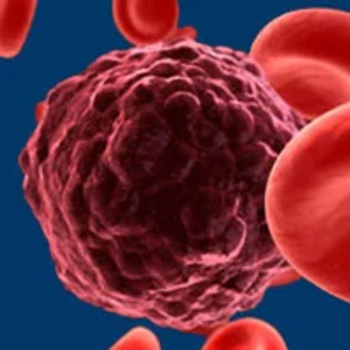
The FDA cleared an investigational new drug application for a phase 1b clinical trial examining DSP107, a first-in-class anti-CD47 fusion protein, in patients with acute myeloid leukemia and myelodysplastic syndrome.

Alice Indini, MD, discusses the ongoing PULSAR trial examining pembrolizumab plus lenvatinib as a novel therapeutic option for patients with classic Kaposi sarcoma.

The use of androgen deprivation therapy and prolongation of adjuvant ADT to at least 18 months in conjunction with definitive radiotherapy provides clinically meaningful benefit for patients with localized prostate cancer, irrespective of radiation dose.

Although next-generation TKIs have helped to overcome resistance in EGFR-mutated non–small cell lung cancer, a more complete understanding of resistance mechanisms may lead to the ability to overcome resistance to the next generation of these drugs.

Nagashree Seetharamu, MD, MBBS, discusses the importance of early and frequent genomic testing in patients with lung cancer, as well as remaining challenges faced in clinical practice and efforts being made to overcome them.
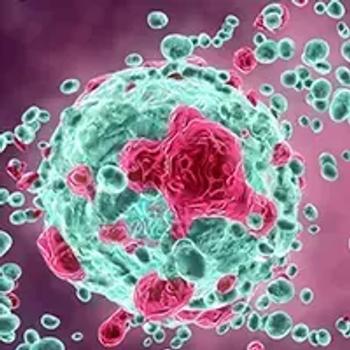
There is significant clinical, pathological, and outcome heterogeneity in myoepithelial tumors and prognoses for these tumors cannot be determined by a single pathological feature, but rather, several patient and tumor characteristics.

The FGFR inhibitor infigratinib demonstrated promising clinical activity and a manageable safety profile in previously treated patients with locally advanced or metastatic cholangiocarcinoma whose tumors harbor FGFR2 gene fusions or rearrangement.
The ATR inhibitor RP-3500 demonstrated a manageable safety profile and promising early antitumor efficacy in patients whose tumors harbor select genomic alterations when administered at doses of 100 mg or more.

Approximately 20% of pediatric patients with cancer infected with COVID-19 experienced severe illness and deaths due to the infection were proportionally higher in this patient population compared with the general pediatric population, providing evidence that children with cancer are at higher risk of developing severe illness from COVID-19.

John Marshall, MD, discusses the results of the DESTINY-Gastric02 trial with trastuzumab deruxtecan in patients with HER2-positive gastric/GEJ cancer, the importance of molecular profiling, and future considerations for the antibody-drug conjugate.

Non-Hispanic Black women are approximately 40% more like to require a visit to the emergency department after breast cancer surgery, and Hispanic women are 11% more likely compared with non-Hispanic White women, according to results from a population-based study published in Breast Cancer Research and Treatment.

Non-surgical primary chemoablation using mitomycin-containing reverse thermal gel UGN-102 produced significant, durable responses in those with low-grade intermediate-risk non–muscle invasive bladder cancer.
Because the combination of pembrolizumab, lenvatinib, and platinum-based chemotherapy showed early evidence of antitumor activity with a manageable safety profile in previously untreated patients with metastatic nonsquamous non–small cell lung cancer examined in part 1 of the phase 3 LEAP-006 trial, the second part of the research has officially begun enrollment.

Vic-trastuzumab duocarmazine markedly improved progression-free survival vs physician’s choice of treatment in patients with HER2-positive metastatic breast cancer who had received 2 prior treatment regimens or ado-trastuzumab emtansine in the metastatic setting, according to data from the phase 3 TULIP trial.

Nivolumab plus cabozantinib continued to significantly improve overall response rate vs sunitinib in patients with previously untreated, advanced renal cell carcinoma, with meaningful response outcomes observed irrespective of dose modifications with cabozantinib and fewer responders in the doublet arm requiring subsequent treatment.
Autologous hematopoietic stem-cell transplantation maintained its long-term efficacy over interferon alfa in patients with mantle cell lymphoma, confirming its place as the standard frontline treatment in this population.
Pivotal trials, such as the phase 3 FLAURA trial with osimertinib in patients with EGFR-mutant non–small cell lung cancer NSCLC, have demonstrated the significant benefit yielded with targeted therapies.

Vimseltinib was well tolerated and demonstrated promising preliminary efficacy in patients with tenosynovial giant cell tumors whose tumors are not amendable to surgical resection, according to results from a phase 1/2 study.
The addition of plinabulin to docetaxel demonstrated durable anticancer benefit in terms of overall survival when used in the second- or third-line treatment of patients with EGFR wild-type non–small cell lung cancer who had progressed on a prior platinum-based regimen.

The triplet combination comprised of encorafenib, binimetinib, and cetuximab elicited encouraging responses with a manageable safety profile in patients with previously untreated BRAF V600E–mutant metastatic colorectal cancer, meeting the primary end point of the phase 2 ANCHOR-CRC trial.

Sacituzumab govitecan-hziy resulted in a statistically significant and clinically meaningful improvement in health-related quality of life compared with single-agent chemotherapy of physician’s choice in patients with metastatic triple-negative breast cancer.

Six months after receiving a second dose of the Pfizer-BioNTech COVID-19 vaccine, patients with solid tumors retained similar levels of COVID-19 antibodies in their blood as individuals without cancer.
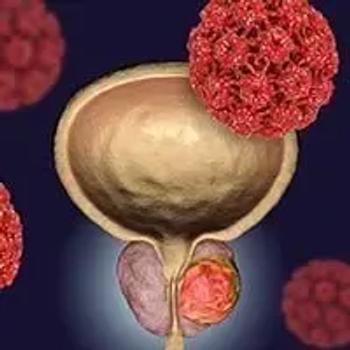
Olaparib in combination with abiraterone acetate demonstrated a significant and clinically meaningful improvement in radiographic progression-free survival vs abiraterone alone as a first-line treatment for patients with metastatic castration-resistant prostate cancer with or without homologous recombination repair gene mutations.
The phase 1/2 MANIFEST and phase 3 MANIFEST-2 trials are examining a complement to JAK inhibition that could improve responses and disease management up front in patients with myelofibrosis.

The addition of durvalumab to platinum/etoposide chemotherapy continued to demonstrate an overall survival benefit over chemotherapy alone with a favorable safety profile in patients with extensive-stage small cell lung cancer.

Giredestrant resulted in a greater relative reduction in Ki67 score from baseline to week 2 of a window of opportunity phase vs anastrozole in patients with estrogen receptor–positive, HER2-negative early breast cancer, according to results from an interim analysis of the phase 2 coopERA Breast Cancer trial.

The combination of ribociclib and letrozole demonstrated a statistically significant and clinically meaningful overall survival benefit compared with letrozole alone in the first-line setting for postmenopausal patients with hormone receptor–positive, HER2-negative advanced breast cancer, according to results from the phase 3 MONALEESA-2 trial.

A shift in the NSCLC treatment paradigm came in the form of immunotherapy, which has since seen significant progress—mostly in the past decade.