
A number of therapeutic options have become available in the frontline setting for patients with chronic lymphocytic leukemia, most recently the second-generation BTK inhibitor acalabrutinib.

Your AI-Trained Oncology Knowledge Connection!
A number of therapeutic options have become available in the frontline setting for patients with chronic lymphocytic leukemia, most recently the second-generation BTK inhibitor acalabrutinib.
Jae H. Park, MD, discusses the challenges in using CAR T-cell therapy in adult patients with acute lymphoblastic leukemia, and also highlights the potential role for off-the-shelf CAR T cells.
Stephen J. Schuster, MD, discusses promising findings and next steps for mosunetuzumab in patients with relapsed/refractory non-Hodgkin lymphoma.
Anthony D. Sung, MD, discusses the findings from the phase II trial of pasireotide as a method to prevent gastrointestinal toxicity and acute graft-versus-host-disease in patients who undergo allogeneic hematopoietic stem cell transplant.
David Miklos, MD, discusses the results from the ZUMA-2 trial evaluating KTE-X19 in patients with relapsed/refractory mantle cell lymphoma.
Sergio A. Giralt, MD, discusses the diagnostic challenges of transplant-associated thrombotic microangiopathy.
Aaron Gerds, MD, discusses data presented at the 2019 ASH Annual Meeting highlighting luspatercept as a treatment of anemia in patients with myelofibrosis.
Robert L. Coleman, MD, FACOG, FACS, discusses the role of rucaparib as a treatment option for patients with ovarian cancer, how this agent compares with other PARP inhibitors in this space, and where research is headed for these agents.
Three pivotal clinical trials evaluating PARP inhibitors have significantly impacted the treatment of patients with newly diagnosed ovarian cancer.
Floor J. Backes, MD, discusses the latest advancements made in the treatment of patients with ovarian cancer and the ongoing research efforts that are being made with novel combinations.
Simon Rule, MD, PhD, discusses pooled findings examining ibrutinib in patients with relapsed/refractory mantle cell lymphoma.
Ruben Mesa, MD, discusses findings from a pooled analysis of fedratinib at full dose in patients with myelofibrosis who had low platelet counts.
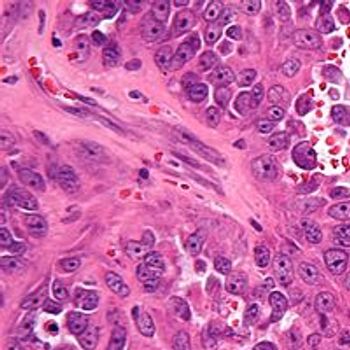
The FDA has granted a Regenerative Medicine Advanced Therapy designation to ADP-A2M4 (MAGE-A4) as a treatment for patients with synovial sarcoma.
The FDA has granted fast track designation to the potent reversible LSD1 inhibitor SP-2577 (seclidemstat) for the treatment of relapsed/refractory patients with Ewing sarcoma.
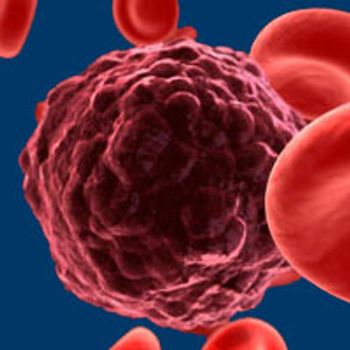
Induction therapy with R-CHOP followed by maintenance rituximab continued to show improvements in survival and responses compared with R-CHOP and interferon-alpha maintenance in older patients with mantle cell lymphoma.
Until strong findings emerged from the phase III PROfound study of PARP inhibitor olaparib (Lynparza) in patients with metastatic castration-resistant prostate cancer, targeted therapy had an uncertain foothold in this tumor type.
The proliferation of targeted therapies in non–small cell lung cancer has helped improve overall survival for patients with metastatic disease and illustrates the importance of molecular testing,
Ryan J. Sullivan, MD, discusses the rationale for BRAF/MEK combinations and immunotherapeutic combinations in melanoma and ongoing research examining triplet regimens.
Georgina V. Long, BSc, PhD, MBBS, FRACP, discusses the findings from a subgroup analyses of the CheckMate-067 trial.
Adil Daud, MD, discusses the role of dabrafenib plus trametinib in patients with advanced melanoma and highlighted other combinations under investigation.
Nonalcoholic fatty liver disease, a risk factor linked to the development of hepatocellular carcinoma and increased mortality, is growing in clinical significance.
The standard of care for the frontline treatment of patients with hairy cell leukemia has been purine nucleoside analogs, including pentostatin and cladribine; however, investigators are challenging this treatment in a phase II clinical trial with a targeted therapy that may provide similar benefit with fewer toxicities.
Kerry Rogers, MD, discusses the potential of ibrutinib (Imbruvica) in hairy cell leukemia, emerging treatment options such as moxetumomab pasudotox (Lumoxiti), and next steps and challenges in the field.
Ezzat Elhassadi, MD, discusses the results from a 10-year institutional analysis and how the presence of a TP53 mutation can correlate with survival outcomes in patients with mantle cell lymphoma.
Hope S. Rugo, MD, discusses the latest advancements in the treatment landscape for patients with TNBC and highlights some data from clinical trials presented at the 2019 ESMO Congress.
Naoto Tada Ueno, MD, PhD, FACP, discusses the diagnosis and treatment of patients with inflammatory breast cancer and highlights the biggest challenges in both diagnosing and treating this patient population.
Jonathan B. Strauss, MD, MBA, discussed the role of hypofractionated radiotherapy in patients with breast cancer and offered advice on treatment selection.
Michael J. Hall, MD, Fox Chase Cancer Center, discusses the emergence of PARP inhibition in the armamentarium for patients with pancreatic cancer.
Richard S. Finn, MD, discusses results from the KEYNOTE-240 trial and explained how they are still clinically meaningful for patients with hepatocellular carcinoma.
David Polsky, MD, PhD, discusses findings from an analysis in patients with BRAF-mutant, unresectable, metastatic melanoma, as well as the next steps for validating these findings and potentially using circulating tumor DNA to help inform treatment decisions.
Published: December 10th 2020 | Updated:
Published: November 6th 2020 | Updated:
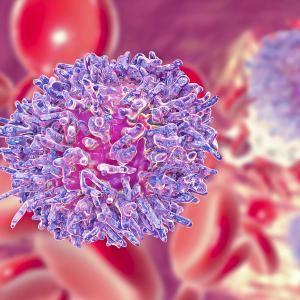
Published: December 6th 2020 | Updated:
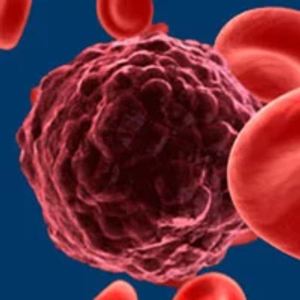
Published: December 9th 2020 | Updated:
Published: January 22nd 2019 | Updated:
Published: February 12th 2019 | Updated: