
Three-year safety results from the ALSYMPCA trial showed that treatment with radium-223 dichloride (Xofigo) for men with mCRPC and symptomatic bone metastases was associated with minimal nonhematologic AEs.

Senior Editor, OncLive®
Jason Harris has worked in journalism for more than 20 years, including stints at daily newspapers and niche publications for oncology and cardiology. He is a senior editor for OncologyLive® and managing editor for Oncology Fellows and the annual Giants of Cancer Care® album. He also contributes to the OncLive On Air and OncFellows podcasts. Email: [email protected]
Three-year safety results from the ALSYMPCA trial showed that treatment with radium-223 dichloride (Xofigo) for men with mCRPC and symptomatic bone metastases was associated with minimal nonhematologic AEs.

An analysis of racial disparities in prostate cancer treatment found that treatment underuse is rare, but when it does occur, it is almost exclusively in black men.
Investigators working in Malawi found an association between the combination of vincristine, bleomycin, and etoposide and improved quality of life, overall survival, and event-free survival in children with Kaposi sarcoma

Results from EMPOWER-CSCC 1 showed that cemiplimab (REGN2810) induced an overall response rate of 46.3% in patients with advanced cutaneous squamous cell carcinoma.

In results from the North Carolina Prostate Cancer Comparative Effectiveness and Survivorship Study, 52.6% said that preserving sexual function was “very important,” but only 43.4% were assigned to active surveillance.

In top-line results from the phase III IMmotion151 trial, the combination of atezolizumab (Tecentriq) and bevacizumab (Avastin) was associated with a statistically significant reduction in the risk for death or progression in patients with PD-L1

The FDA has granted a priority review to a supplemental biologics license application for pembrolizumab (Keytruda) as a treatment for adult and pediatric patients with relapsed/refractory primary mediastinal large B-cell lymphoma.

Younger patients, women, and white patients with HPV-related cancers had superior survival at 5 years, indicating that increased HPV vaccination and better access to cancer screening and treatment are likely needed to reduce survival disparities

Older women with HR–positive breast cancer treated with a CDK4/6 inhibitor may derive a progression-free survival benefit similar to that seen in their younger counterparts

While the incidence of HPV-related oropharyngeal cancer is increasing, the risk for developing the disease remains low for most people.

Results from a meta-analysis of data collected from 837 premenopausal women undergoing chemotherapy for early-stage breast cancer suggest that gonadotropin-releasing hormone analog may preserve fertility and have a protective ovarian function.

Newly released results from the MONALEESA-7 trial showed that adding ribociclib to standard endocrine therapy with temporary ovarian suppression significantly improved progression-free survival as a first-line treatment for pre- and perimenopausal women with advanced HR-positive/HER2-negative breast cancer.

Proton beam therapy in children and young adults with nonhematologic malignancies of the head and neck appeared to be safe and delivered local control rates similar to those seen historically.

Patients with ovarian cancer who begin postoperative adjuvant chemotherapy within 42 days of ending neoadjuvant chemotherapy have superior survival compared to those who initiate therapy after that point.

The risk for graft-vs-host disease is low in children aged 2 to 12 years with acute leukemia, suggesting these patients may be good candidates for reduced preventative measures.

The FDA announced that it has approved the FoundationOne CDx assay. The Centers for Medicare & Medicaid Services issued a simultaneous announcement saying the next-generation sequencing-based in vitro diagnostic test will be covered by insurance.

Ipilimumab was associated with a 1-year overall survival rate of 75% in adolescent patients with stage III/IV unresectable malignant melanoma.
Physicians are missing opportunities to refer pediatric patients with hematologic malignancies to palliative care at the end of life, and those who are admitted to palliative care tend to have very advanced disease.
Children with B-cell acute lymphoblastic leukemia who were positive for CD200 and/or CD56 expression had significantly poorer overall survival and disease-free survival.

An adjusted combination of chemotherapy, radiation therapy, and surgery induced a 5-year overall survival rate of 91.3% in pediatric patients with rhabdomyosarcomas of the head and neck.

While survivors of childhood cancers are at increased risk for developing soft-tissue sarcomas compared with the general population, the absolute risk for developing STS is low except for leiomyosarcoma after retinoblastoma.

The European Commission has approved niraparib as a maintenance therapy for women with platinum-sensitive relapsed high-grade serous epithelial ovarian, fallopian tube, or primary peritoneal cancer who are in complete or partial response to platinum-based chemotherapy.
A second course of radium-223 was associated with minimal hematologic toxicity and low radiographic bone progression rates in a phase I/II study of men with metastatic castration-resistant prostate cancer.

The European Commission has approved abiraterone acetate (Zytiga) in combination with prednisone/prednisolone for the treatment of adult men with newly-diagnosed high-risk metastatic hormone-sensitive prostate cancer.

The FDA granted a priority review to durvalumab in October for the treatment of patients with stage III, unresectable non-small cell lung cancer whose disease has not progressed following platinum-based chemoradiation.
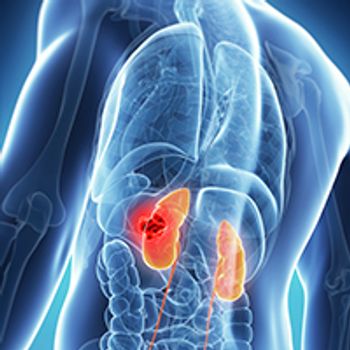
Patients with high-risk renal cell carcinoma who harbor early systemic dissemination with very poor survival prognosis may derive some benefit from adjuvant therapy.

Log LDH was the strongest predictor for overall survival with radium-223 for men with metastatic castration resistant prostate cancer.
Investigators working in the UK and Europe found a correlation between minimal residual disease kinetics and risk for relapse in pediatric patients with acute lymphoblastic leukemia.
The FDA has granted the the anti–B-cell maturation antigen (BCMA) chimeric antigen receptor (CAR) T-cell therapy bb2121 a breakthrough therapy designation for previously treated patients with relapsed/refractory multiple myeloma.

Results from a retrospective, multi-institutional study showed that lowering the dose of sorafenib (Nexavar) for patients with HCC reduced pill burden and treatment costs, while showing a trend toward improved treatment completion.