

Alpelisib (BYL719) induced a disease control rate of 58.2% and stable disease rate of 52.2% in patients with advanced solid tumors.

Senior Editor, OncLive®
Jason Harris has worked in journalism for more than 20 years, including stints at daily newspapers and niche publications for oncology and cardiology. He is a senior editor for OncologyLive® and managing editor for Oncology Fellows and the annual Giants of Cancer Care® album. He also contributes to the OncLive On Air and OncFellows podcasts. Email: jharris@onclive.com
Alpelisib (BYL719) induced a disease control rate of 58.2% and stable disease rate of 52.2% in patients with advanced solid tumors.
Venetoclax (Venclexta) in combination with a hypomethylating agent induced complete remissions in 61% of patients aged 65 years or older with previously untreated acute myeloid leukemia.

Nearly 80% of patients assigned to blinatumomab for minimal residual disease (MRD)–positive acute lymphoblastic leukemia in hematologic complete remission achieved complete MRD response.
A new model based on 6 clinical factors may be able to predict overall survival for patients with advanced urothelial cancers being treated with the PD-L1 inhibitor atezolizumab.
The combination of nivolumab and ipilimumab improved progression-free survival compared with chemotherapy in treatment-naïve patients with high tumor mutation burden non–small cell lung cancer.
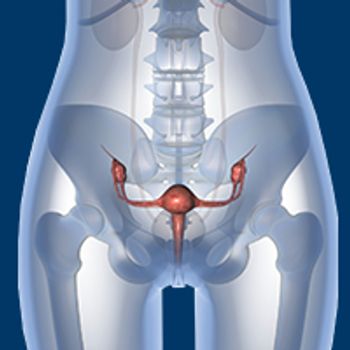
Prexasertib (LY2606368) induced a 29% response rate with acceptable tolerability in women with measurable, recurrent high-grade serous or high-grade endometrioid ovarian carcinoma.
A statistical model that combines multiple variables such as tumor size and lymph-node status into a single score can improve patient selection for breast cancer clinical trials and produce stronger results.

The neoadjuvant combination of palbociclib (Ibrance), pertuzumab (Perjeta), fulvestrant (Faslodex), and trastuzumab (Herceptin), cut expression of Ki67 and induced an overall clinical response of 29% in women with ER-positive/HER2-positive breast cancer.
Adding docetaxel to androgen-deprivation therapy improved overall survival by nearly 17 months in men with high-volume metastatic hormone-sensitive prostate cancer.

One out of 6 survivors of childhood cancer was unemployed, according to results from a meta-analysis of 56 studies conducted in the United States, Canada, Asia, and Europe.
Despite positive clinical trial results, the role of immunotherapy in renal cell carcinoma remains unclear.

Patients with advanced renal cell carcinoma treated with cabozantinib had similar quality of life outcomes as those treated with everolimus.
At a median follow-up of 13.1 months, tisagenlecleucel (Kymriah) induced an overall remission rate of 81% in children and young adults with relapsed/refractory B-cell acute lymphoblastic leukemia.

The FDA has halted 4 US studies of BPX-501, a novel cellular immunotherapy for cancers and orphan inherited blood disorders, after 3 patients developed encephalopathy possibly related to treatment with BPX-501.
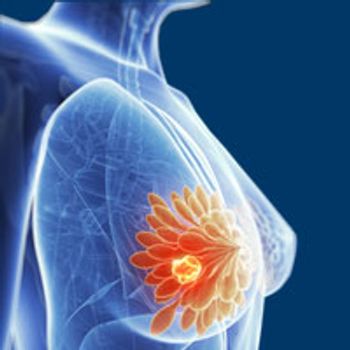
The trastuzumab (Herceptin) biosimilar SB3 induced a rate of breast pathologic complete response similar to trastuzumab in women with HER2-positive breast cancer, according to results from a phase III study of 800 patients.

The European Medicines Agency's Committee for Medicinal Products for Human Use has adopted a positive opinion recommending a label variation for carfilzomib in patients with relapsed/refractory multiple myeloma.

Enzalutamide showed promising clinical activity in patients with androgen receptor–positive triple-negative breast cancer.
The annual update on oncology treatment highlights the most impactful clinical cancer research and policy developments over the past year in CAR T-cell therapy.

Investigators successfully used PET/CT scanning to determine whether patients with stage IIB to IVB Hodgkin lymphoma should switch from ABVD to BEACOPP.
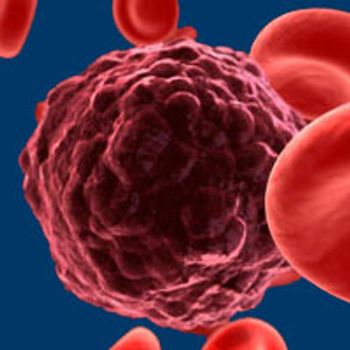
The method of treatment administration in the JACLS ALL-97 and ALL-02 trials may have contributed to a lower incidence of osteonecrosis in Japanese children with acute lymphoblastic leukemia.
The combination of carfilzomib (Kyprolis), lenalidomide (Revlimid), and dexamethasone extended overall survival for patients with relapsed or refractory multiple myeloma by nearly 8 months compared with lenalidomide and dexamethasone alone.

Adding hyperthermic intraperitoneal chemotherapy to interval cytoreductive surgery improved relapse-free survival and overall survival for women with newly diagnosed stage III epithelial ovarian cancer.
PF-05280586, a biosimilar for rituximab (Rituxan/MabThera), delivered positive top-line results in the phase III REFLECTIONS B3281006 follicular lymphoma trial.
Women with a body mass ≥30 kg/m2 had a greater 5-year risk for cervical cancer than lighter women, possibly due to underdiagnosis of cervical precancer.
The presence of a specialized pediatric palliative care team lowered the odds that a child with cancer would be admitted to an intensive care unit at the end of life by five-fold compared with those who did not receive palliative care, according to results from a retrospective study.
Radiofrequency ablation was associated with superior 5-year overall survival compared with stereotactic body radiotherapy for patients with localized hepatocellular carcinoma.
The CHOP-RIT regimen improved progression-free survival compared with R-CHOP alone in previously untreated patients with follicular lymphoma.
Older patients with colorectal cancer are more likely to develop cardiovascular disease and congestive heart failure, according to results from an analysis of the SEER database.

Cabozantinib (Cabometyx) was associated with an improvement in overall survival and progression-free survival compared with everolimus (Afinitor) in pretreated patients with advanced RCC with bone metastases at baseline.

ASP0113, an investigational DNA vaccine developed for cytomegalovirus-seropositive hematopoietic stem cell transplant patients, has failed to meet its primary and secondary endpoints.