

The median real-world progression-free survival with durvalumab was higher compared with the median progression-free survival reported in the durvalumab arm of the phase 3 PACIFIC trial in patients with stage III non–small cell lung cancer.

Assistant Editor, OncLive®
Jessica joined the company in August 2019 and is one of the point contacts for the OncLive On Air™ podcast. She is a Rider University alumna and holds a degree in journalism and biology. Prior to joining MJH Life Sciences, she interned with the Ireland-based social media monitoring agency Olytico and served as a copy editor and writer for The Rider News. Email: jhergert@onclive.com
The median real-world progression-free survival with durvalumab was higher compared with the median progression-free survival reported in the durvalumab arm of the phase 3 PACIFIC trial in patients with stage III non–small cell lung cancer.
The triplet combination of umbralisib, ublituximab, and pembrolizumab demonstrated durable responses with a tolerable safety profile in patients with relapsed/refractory chronic lymphocytic leukemia and Richter’s transformation.
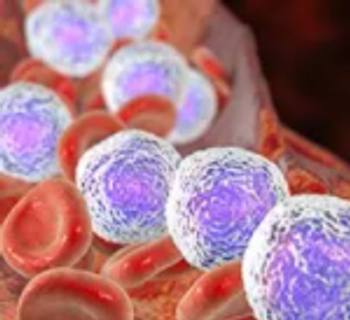
Optical genome mapping was found to effectively detect most abnormalities defined by standard methods, such as chromosome banding analysis, chromosomal microarrays, and fluorescence in situ hybridization, as well as several additional abnormalities of unknown clinical significance, in patients with chronic lymphocytic leukemia.

Adjuvant pembrolizumab led to a significant reduction in the risk of disease recurrence or death compared with placebo in patients with resected, high-risk stage II melanoma.
The frontline combination of nivolumab and ipilimumab continued to demonstrate improved overall survival across subgroups compared with standard chemotherapy at 3 years in patients with unresectable malignant pleural mesothelioma.

Catherine Callaghan Coombs, MD, discusses the rationale for the BRUIN study, key efficacy and safety findings, and next steps with pirtobrutinib in chronic lymphocytic leukemia.

Treatment with the antibody-drug conjugate tisotumab vedotin in combination with bevacizumab, pembrolizumab, or carboplatin was tolerable and elicited encouraging preliminary antitumor activity in patients with recurrent or metastatic cervical cancer.

As part of a global consensus meeting, experts from several disciplines convened to define evidence-based guidelines for the treatment of patients with primary and metastatic epithelioid hemangioendothelioma with locoregional and systemic therapies, as well as palliative care.
The investigational JAK inhibitor momelotinib is effective at treating anemia in patients with myelofibrosis, resulting in improved rates of transfusion independence compared with ruxolitinib.

The investigational small molecule masitinib plus docetaxel resulted in a statistically significant 21% reduction in the risk of progression or death compared with placebo plus docetaxel in men with metastatic castration-resistant prostate cancer and baseline alkaline phosphatase levels of 250 IU/mL or less.

Relugolix failed to significantly delay onset of castration resistance compared with standard of care leuprolide in men with advanced prostate cancer.

Frontline sequential therapy with crizotinib followed by alectinib demonstrated survival benefits for patients with ALK-positive non–small cell lung cancer who develop resistance to, or become intolerant of crizotinib.

Idecabtagene vicleucel continued to elicit frequent, deep, and durable responses among patients with heavily pretreated relapsed/refractory multiple myeloma irrespective of whether patients received 3 or at least 4 prior therapies.
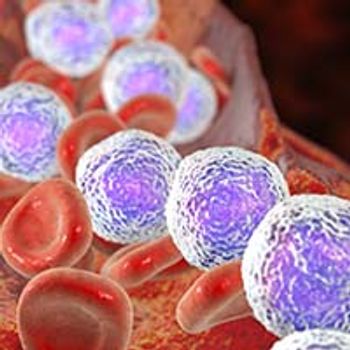
Historical prognostic markers for chemoimmunotherapy have largely lost their clinically relevance in the context of targeted therapies for patients with chronic lymphocytic leukemia; however, IGHV and TP53 mutational status remain important predictive markers of response, now for novel treatments.

Sotorasib elicited systemic durable anticancer activity with intracranial complete responses and continued intracranial stabilization in patients with KRAS G12C–mutated non–small cell lung cancer and stable brain metastases previously treated with radiation or surgery.

The combination of atezolizumab and bevacizumab elicited an improved overall survival benefit compared with sorafenib in patients with albumin-bilirubin grade 1 hepatocellular carcinoma, according to findings from an exploratory subgroup analysis of the phase 3 IMbrave150 trial.
The phase 2a MYLOX-1 trial is evaluating GB2064, a novel, oral LOXL2 inhibitor, as a potential anti-fibrotic treatment option for patients with myelofibrosis.

Following the integration of immunotherapy into the treatment paradigm of triple-negative breast cancer, a multidisciplinary panel of experts, brought together by the Society for Immunotherapy of Cancer, published the first clinical practice guidelines focused on navigating clinical decisions with immunotherapy in breast cancer.

More tailored selection processes, which have placed a greater emphasis on patient-specific characteristics, such as risk and genomic status, and made possible with a growing number of treatment options, have led to optimized therapeutic decisions for patients with hematologic malignancies.
Prior treatment with PD-1 or MAPK inhibitors resulted in lower objective response rates with adoptive cell transfer of autologous tumor-infiltrating lymphocytes in patients with metastatic melanoma vs patients who were naïve to these agents.

Distinct subgroups of pediatric melanocytic lesions, which were identified by an integrated clinicopathologic and genomic analysis, were found to have different clinical behaviors, suggesting that this combined diagnostic modality could inform individualized diagnoses and treatments for patients with these rare malignancies.

Ongoing research efforts are pushing to establish minimal residual disease negativity as a surrogate end point for patient outcomes in multiple myeloma clinical trials, and MRD assessment is becoming an increasingly utilized tool to inform real-world clinical decisions.
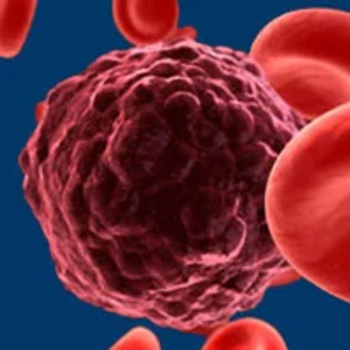
Peter G. Miller, MD, PhD, discusses the characteristics and risks associated with clonal hematopoiesis and risk-stratification efforts for patients with cancer who are at risk of developing therapy-related secondary malignancies from clonal hematopoiesis.

Data that emerged from the 2021 ASCO Annual Meeting represent potential paradigm shifts for patients with advanced melanoma.

The widening treatment paradigm for various breast cancer subtypes is yielding improved survival with more tailored strategies.

Steven H. Itzkowitz, MD, discusses the importance of screening for CRC in younger adults, the results of the database analysis, and strategies for implementing early messaging in the community setting for this population.
Data that were presented during the 2021 ASCO Annual Meeting shed light on new therapeutic strategies, and treatment considerations that are expanding the paradigms of gastrointestinal malignancies.

G. Thomas Budd, MD, discussed the promise of tailored treatment approaches in HER2-positive breast cancer, the utility of the combination of fixed-dose trastuzumab, pertuzumab, and hyaluronidase-zzxf via subcutaneous administration, and how sequencing could be further affected by drug development.

Sara A. Hurvitz, MD, highlights that although differences in overall survival and toxicity profile could inform treatment selection with CDK4/6 inhibitors, optimal sequencing with these agents remains uncertain.

Treatment with imetelstat demonstrated clinical efficacy across molecularly defined subgroups of patients with heavily transfused, lower-risk myelodysplastic syndrome who did not harbor 5q deletions and were relapsed/refractory to erythropoiesis-stimulating agents.