

Adam M. Brufsky, MD, PhD, FACP, discusses the use of neratinib and the importance of expanding the treatment portfolio in HER2-positive metastatic breast cancer.

Your AI-Trained Oncology Knowledge Connection!
Adam M. Brufsky, MD, PhD, FACP, discusses the use of neratinib and the importance of expanding the treatment portfolio in HER2-positive metastatic breast cancer.

When the first case of coronavirus disease 2019 was diagnosed in Washington on January 20, 2020 clinicians at Seattle Cancer Care Alliance decided to act expeditiously and unhesitatingly to minimize disease spread.

From implementing telemedical approaches to resequencing treatments, cancer centers across the nation have nimbly adapted to face the clinical challenges posed by the novel coronavirus 2019 disease.

Motivated to move the needle in cervical cancer, investigators are adding durvalumab to standard-of-care concurrent chemoradiation therapy and brachytherapy to determine whether PD-L1 blockade is a key to improving survival outcomes.

Ken Shain, MD, PhD, discusses isatuximab-irfc and its potential to move into different stages of the multiple myeloma paradigm following further clinical investigation.

The need to establish preventive procedures that keep pace with the rapid evolution of coronavirus 2019 presents numerous challenges for the oncology field as institutions adapt standard treatment protocols to minimize the risk for virus spread among clinicians and patients alike.

Investigators are evaluating whether the addition of venetoclax to a standard doublet regimen in chronic lymphocytic leukemia can induce responses deep enough to allow patients to not only suspend long-term treatment but also avoid associated toxicity.

Michael C. Heinrich, MD, discusses the recent approval of avapritinib for advanced PDGFRA exon 18–mutated gastrointestinal stromal tumor.

In metastatic urothelial cancer, the portfolio of immunologic therapies is robust, but the treatment paradigm for these agents requires refinement.

Driven by advances in genetic testing methods and the discovery of actionable mutations beyond BRCA, an update to the National Comprehensive Cancer Network’s Guidelines for genetic testing in breast, ovarian, and pancreatic cancers encompasses a much broader range of genes that predict risk for disease occurrence.
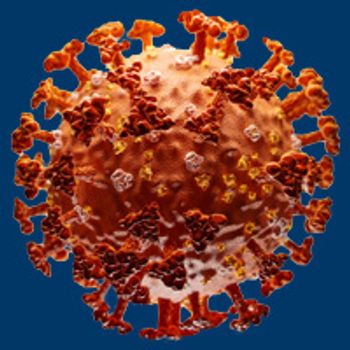
Patient concern about coronavirus 2019 varies by oncology clinic according to the OncologyLive® advisory board members, who discussed in a recent interview how COVID-19 has guided their patient interactions and what steps they are advising patients to take to protect themselves.

Investigators propose that a PI3K-δ,γ inhibitor currently indicated for the treatment of 3 hematologic malignancies may be a key to boosting response rates in peripheral T-cell lymphoma, a disease setting defined by poor prognoses.

Arjun V. Balar, MD, discusses how immunotherapy options are helping to reduce reliance on platinum chemotherapy and cystectomy, as well as further efforts to engage the immune system in the fight against bladder cancer and other pathways toward greater treatment efficacy and quality of life for patients.

Bradley McGregor, MD, discusses enfortumab vedotin-ejfv’s path to approval and its future potential in bladder cancer.

Patients with preexisting inflammatory bowel disease have a significantly higher risk of developing gastrointestinal adverse events during treatment with an immunotherapybased anticancer regimen than those without inflammatory bowel disease.

Infectious diseases are the second-leading cause of mortality in patients with cancer, whose immune systems are often compromised, so it is essential for providers to keep abreast of the latest developments in the management of coronavirus disease 2019.

The approval of fam-trastuzumab deruxtecan-nxki in HER2-positive breast cancer is generating hopes that similar strategies also may be effective against HER2-expressing gastric and colorectal cancers, according to a panel of experts in gastrointestinal malignancies.

Investigators will challenge therapeutic convention by testing a PARP inhibitor instead of an IDH-targeted therapy in patients with metastatic IDH1/2-mutated glioma, cholangiocarcinoma, and other solid tumors that are refractory to standard treatment.

In response to a rise in hematopoietic cell transplantation, the National Comprehensive Cancer Network has published its first guideline for the specialized intervention, which is performed approximately 22,000 times a year in the United States in patients with hematological cancers and other diseases.

Investigators hope selpercatinib (LOXO-292), a highly selective RET inhibitor, will demonstrate potential as a new standard of care for patients with advanced or metastatic treatment-naïve RET fusion–positive non–small cell lung cancer in the phase III LIBRETTO-431 (NCT04194944) trial.

Immune checkpoint inhibitors (ICIs) combined with the anti–CTLA-4 agent ipilimumab (Yervoy) have dramatically improved survival in metastatic melanoma, but resistance and lack of response remain obstacles to wider efficacy, Mario Sznol, MD, said in a presentation during the 4th Annual International Congress on Immunotherapies in Cancer®. Multiple efforts are under way to understand these issues better and develop improved biomarkers for response, Sznol added.
Use of immune checkpoint inhibitors correlates with high incidence of endocrinopathies, especially anti–CTLA-4 therapy.

Investigators hope to answer a potentially paradigm-changing question in the phase II ANCHOR-CRC study (NCT03693170) of BRAF V600E–mutant colorectal cancer (CRC): Can the benefit observed with a targeted triplet in latestage disease extend to the first line?

Between 2013 and 2017, just 40% of patients with metastatic colon cancer received guideline-recommended biomarker testing that could have improved treatment decisions, according to findings from a retrospective study. Results also showed that adherence to evidence-based recommendations for genotyping was poor in academic and community settings alike.

The Society for Immunotherapy of Cancer is developing a growing menu of guidelines with treatment algorithms for specific cancer types to help practicing oncologists navigate the appropriate use of this emerging modality.

Armed with the knowledge that inhibition of the Bruton tyrosine kinase is an effective approach in B-cell malignancies, investigators will explore the efficacy of the second-generation BTK inhibitor, zanubrutinib, in 2 leukemia and lymphoma subtypes.

Cardiac resynchronization therapy improved heart function in patients who developed chemotherapy-induced cardiomyopathy.

Investigators are attempting to advance the late-stage non–small cell lung cancer treatment paradigm by combining an emerging antimitotic modality with standard-of-care therapies in the phase III LUNAR trial.

In an effort to expand treatment options for patients with recurrent HER2-positive breast cancer, investigators are testing a novel antibody-drug conjugate: [fam-] trastuzumab deruxtecan (DS-8201a). The drug has achieved breakthrough therapy status.

Recent strides in systemic treatment approaches and the broader application of stereotactic radiation led the American Society for Radiation Oncology to issue its first guideline regarding radiation therapy in patients with pancreatic cancer.

Published: June 23rd 2020 | Updated:

Published: October 14th 2020 | Updated:

Published: August 23rd 2020 | Updated:

Published: July 7th 2020 | Updated:

Published: August 18th 2020 | Updated:

Published: May 15th 2020 | Updated: