
Martin F. Dietrich, MD, PhD, highlights recent updates in mantle cell lymphoma treatment, explains how new developments have raised sequencing questions, and projects where future research efforts will focus.

Ryan Scott joined MJH Life Sciences in 2021. In addition to writing and editing timely news and article coverage, she has managed OncLive's social media accounts; check us out @onclive across platforms such as LinkedIn, Facebook, X, and Instagram! She attends conferences live and virtually to conduct video interviews and produce written coverage. Email: [email protected]
Martin F. Dietrich, MD, PhD, highlights recent updates in mantle cell lymphoma treatment, explains how new developments have raised sequencing questions, and projects where future research efforts will focus.
Bradley J. Monk, MD, FACS, FACOG, discusses the future of ovarian cancer treatment, ongoing and future trials, as well as combination therapies that may benefit patients with ovarian cancer, cervical cancer, and endometrial cancer.
Denalee O'Malley, PhD, sheds light on racial and ethnic disparities in colorectal cancer screening, and strategies that can be used to address existing barriers in the clinic and beyond.

Sacituzumab govitecan will be further evaluated in patients with locally advanced unresectable or metastatic urothelial cancer that has progressed after prior platinum or checkpoint inhibitor therapy, as a part of the phase 3 TROPiCS-04 trial.
The utilization of sabizabulin in patients with metastatic castration-resistant prostate cancer who progressed on androgen receptor-targeting therapy yielded significant and durable objective tumor responses, according to results of a phase 1b/2 trial (NCT03752099).

Advancements in treatment options across the spectrum on women’s cancers include de-escalating therapy in HER2-positive breast cancer, using tisotumab vedotin-tftv in cervical cancer, shifting therapies to the frontline setting in endometrial cancer, and using checkpoint inhibitors in ovarian cancer.
Edward Kim, MD, MBA, discussed the facets of each presentation from the meeting, featuring other emerging targeted therapies in NSCLC, biomarker testing in the space, frontline immunotherapy in NSCLC, and the current management of small cell lung cancer.
Bijal Shah, MD, MS, discusses the results of a phase 2 pilot study investigating CPX-351 in adults with high-risk relapsed/refractory acute lymphoblastic leukemia, as well as next steps for research in this patient population.
The treatment landscape continues to expand across non–small cell lung cancer, with the FDA approvals of multiple agents, including targeted therapies such as sotorasib and lorlatinib.
Two investigated doses of vibostolimab in combination with pembrolizumab resulted in comparable antitumor activity and safety in patients with locally advanced or metastatic cervical cancer who were naïve to PD-1/PD-L1 inhibitors, regardless of PD-L1 status.
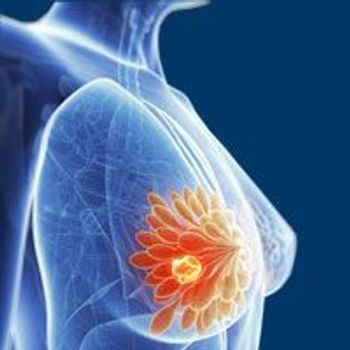
Entrectinib produced deep and durable responses in patients with breast cancer harboring NTRK fusions.
Jonathan Mizrahi, MD, discusses updates from the meeting in pancreatic cancer and hepatocellular carcinoma, the growing role of immunotherapy in GI cancer, and the ‘watch and wait’ protocol seen in rectal cancer

Rates of negative surgical margins and adequate lymphadenectomies were lower in Black patients with gastrointestinal tract cancer compared with White patients, according to data from a retrospective cohort study published in JAMA Network Open.
Sajid A. Khan MD, FACS, FSSO, discusses findings from the study on racial disparities in surgical outcomes and quality of care for GI tract cancer, plus what issues need to be addressed to close the gap in care.
Virginia G. Kaklamani, MD, discussed the emerging role of PARP inhibitors, practice-changing updates in HER2-positive breast cancer, the utilization of CDK4/6 inhibitors in hormone receptor–positive, HER2-negative breast cancer, and the various therapeutic classes and their effects on care in triple-negative breast cancer.
The combination of alpelisib plus endocrine therapy elicited a clinical benefit across all subgroups of patients with hormone receptor–positive, HER2-negative advanced breast cancer with PIK3CA mutations.

Marcela Mazo Canola, MD, discusses pivotal trials in early-stage and metastatic HER2-positive breast cancer, plus ongoing trials to watch.
Ruben A. Mesa, MD, discusses the different disparities that are known to affect cancer care and key efforts being made to address them.
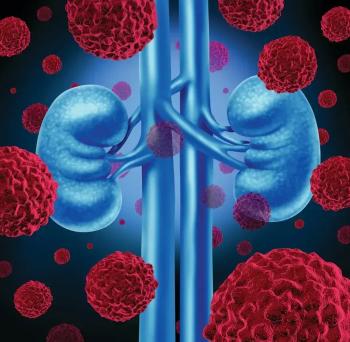
The investigational RNA interference therapy, ARO-HIF2, reduced levels of hypoxia inducible factor-2 alpha expression and had acceptable tolerability when used in patients with clear cell renal cell carcinoma, according to data from the phase 1b AROHIF21001 trial.

Thomas Martin, MD, discusses updates from the CARTITUDE-1 trial, as well as the future of CARs and bispecific T cell engagers in multiple myeloma.
The combination of ceralasertib and acalabrutinib showed preliminary clinical activity with acceptable tolerability in patients with high-risk, relapsed/refractory chronic lymphocytic leukemia.
An investigative follicle-stimulating hormone receptor–mediated CAR T-cell technology is under exploration in patients with recurrent ovarian cancer.

The risk of cancer-specific mortality in breast cancer was increased for younger adult Black female patients compared with younger adult White female patients.
The IL-2 variant immunotherapy nemvaleukin alfa elicited responses and demonstrated safety as a single agent and in combination with pembrolizumab in patients with advanced renal cell carcinoma.
Itolizumab decreased levels of cell surface CD6 and increased soluble CD6 in serum in patients with acute graft-vs-host-disease.
Matthew Galsky, MD, discusses the impact of recent developments in the advanced urothelial carcinoma treatment paradigm.
Recent developments across the breast cancer paradigm include the utilization of trastuzumab deruxtecan in patients with metastatic HER2-positive breast cancer, plus neoadjuvant treatment strategies in triple-negative breast cancer.
Hadeel Assad, MD, discussed how CDK4/6 inhibitors have been implemented into practice and provided updates on key clinical trials in HER2-positive breast cancer and triple-negative breast cancer.
David P. Carbone, MD, PhD, discusses the evolution of immunotherapy and targeted therapy in non–small cell lung cancer and the importance of biomarker testing for personalized therapy.
William J. Gradishar, MD, discusses the expansion of antibody-drug conjugates across subsets of breast cancer, along with emerging treatment options within each space.