

After a period of relative stability from 1991 to 2004, oncology practices can expect a continued drop in drug revenue in 2014, according to findings of the National Practice Benchmark (NBP) issued by Oncology Metrics.
After a period of relative stability from 1991 to 2004, oncology practices can expect a continued drop in drug revenue in 2014, according to findings of the National Practice Benchmark (NBP) issued by Oncology Metrics.

The American College of Radiology (ACR) has issued new and updated evidence-based guidelines to assist oncologists when ordering exams and ensure that patients get the correct scan or therapy for the right indication.

The hematology-oncology division of an academic health center participated in a pilot physician compensation exercise using variable compensation incentives with group-specific targets based on prior below-average performance.

Many patients being treated with mTOR inhibitors experience dermatologic-related adverse events.

A new consortium of payers, clinicians, patients, and pharmaceutical companies are developing recommendations to help generate evidence-based guidelines to define coverage and develop payment decisions for treating cancer.

Two large cohort studies, suggest that the costly scan is being overused in women who won't benefit from it and underused in women who could gain benefit from it.

In this age of sequestration and health reform, 340B is getting a closer look by lawmakers-causing critics and advocates to line up to debate its merits.

Head and neck cancer patients who participated in a swallow preservation protocol were less likely to suffer from the detrimental effects associated with dysphagia, a common complication associated with radiation therapy and chemoradiation therapy.

Eroding reimbursement rates and a shift from intravenous (IV) to oral chemotherapy are combining to threaten the viability of many community oncology practices.

Two studies presented at this year's ASCO meeting suggest that a significant proportion of patients with cancer want to include the cost of therapy in their discussion of treatment options with their physician, regardless of insurance coverage.
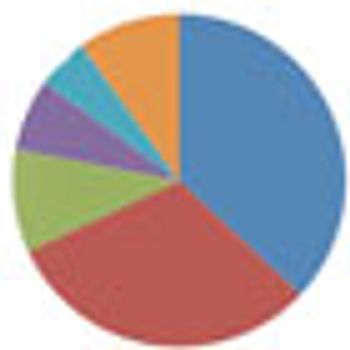
Where Medicare patients receive their chemotherapy treatment makes a difference in the number of chemotherapy sessions that they receive on average.

Delivering high-quality cancer care continues to be a daunting problem for the US healthcare system because of a combination of factors, including an aging population, a shrinking work force, the rising cost of therapies, and a complex disease state and treatment regimen.
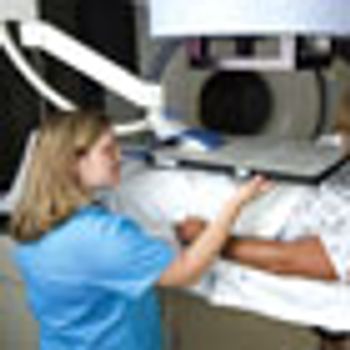
Urologists who treat men with prostate cancer are 2.5 times more likely to refer patients to intensity-modulated radiation therapy centers, especially if they have a financial stake in the IMRT center.
The highest expense reported by community oncology practices continues to be attributable to drugs and biologics, according to "2013 Trends in Community Cancer Centers," a survey sponsored by the Association of Community Cancer Centers.

One oncology practice in Florida seems to have been able to adapt its practice model, taking advantage of economies of scale, and identifying new revenue streams, while still providing quality care and keeping its oncologists satisfied professionally.