
A collection of clinical trials that uses a target-specific and tissue-agnostic algorithm to rapidly match patients to investigational therapies aimed at the tumor's molecular makeup takes the approach that "one trial really does not fit all."
A collection of clinical trials that uses a target-specific and tissue-agnostic algorithm to rapidly match patients to investigational therapies aimed at the tumor's molecular makeup takes the approach that "one trial really does not fit all."

Michael Fabrizio, MD, and Dana Adams, COO, provide their perspective on the challenges that urology practices face today.
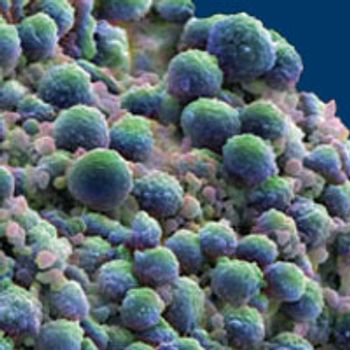
The pivotal phase III trial ARMOR 3-SV will be discontinued based on recommendations made by the trial's independent data monitoring committee.

An ongoing phase II, four-cohort trial involving capmatinib (INC280), an oral MET inhibitor, will determine the clinical activity of the agent in pretreated patients with advanced non-small cell lung cancer who have undergone one or two lines of therapy.

Researchers are hoping the results of a late-stage efficacy and safety study of apalutamide in patients with high-risk, localized, or locally advanced prostate cancer who are receiving primary radiation therapy will demonstrate an improvement in metastasis-free survival.

Patients with metastatic urothelial carcinoma who were ineligible for standard cisplatin-based chemotherapy achieved a 24% reduction in tumor size and had a median survival of 14.8 months after taking the immunotherapy agent atezolizumab (Tecentriq).

Results from a phase III trial investigating the benefit of adjuvant temozolomide in combination with radiation therapy has the potential to be practice changing for a rare type of brain cancer.

An elite group of finalists have been recognized for their achievements, talent, and the compassionate care they provide to their patients and families in the 2016 Giants of Cancer Care® recognition program.

The radioactive imaging agent, fluciclovine F18 (Axumin), was approved by the FDA for use in positron emission tomography scans in men with suspected recurrence of prostate cancer whose prostate-specific antigen levels rise following prior treatment.

Using the Decipher Prostate Cancer Classifier assay to predict which patients might respond to hormonal therapy has resulted in the discovery and validation of an adjuvant androgen-deprivation therapy resistance signature.

Results from a study using the Decipher Prostate Cancer Classifier noted that its use added very strong data about the likelihood of patients with prostate cancer dying within 10 years.

Five of 6 patients with metastatic urothelial cancer and at least 1 of 2 genetic alterations demonstrated a marked improvement in 3-month progression free survival of 6.6 months when given afatinib (Gilotrif), compared with patients who lacked these specific genetic abnormalities.

Patients with relapsed chronic lymphocytic leukemia face a difficult treatment journey, but a phase III safety and efficacy trial involving the second-generation Bruton tyrosine kinase inhibitor acalabrutinib (ACP-196) will help inform oncologists about whether the emerging agent can offer a greater benefit to patients with high-risk disease over ibrutinib (Imbruvica).
At Metro Urology of Minneapolis, urologists are at the forefront of introducing new techniques and technology, especially with respect to advanced prostate cancer care.

Researchers have designed a recently launched clinical study into entrectinib, a first-in-class inhibitor of tropomyosin receptor kinases, as a basket trial in which the drug can be evaluated simultaneously for activity against three gene alterations and multiple tumor types.

Emerging agents targeting the PD1/PD-L1 pathway and the process of angiogenesis are shaping up to be promising options to break a 30-year drought in new therapies for patients with progressive metastatic urothelial bladder cancer.

Targeting androgen receptor signaling with recently approved agents has improved outcomes for men with metastatic castration-resistant prostate cancer but significant questions linger about how to tackle resistance to the therapies.

Men with low-risk prostate cancer who chose active surveillance (AS) reported a higher quality of life than men who chose direct active treatment such as surgery or radiation.

The novel therapeutic vaccine algenpantucel-L, which is genetically engineered from human cell lines, is being evaluated in two phase III trials in patients with resected pancreatic cancer (IMPRESS) and borderline resectable or locally advanced unresectable pancreatic cancer (PILLAR).

Men with prostate cancer treated with radiotherapy were at higher risk for developing second malignancies in the bladder, colon, and rectum compared with men who were not exposed to radiotherapy.
The level of vitamin D in a patient’s blood could serve as a biomarker for an aggressive form of prostate cancer, especially in men who are considering active surveillance for the disease.

Galeterone is being explored in the ARMOR 3-SV study, in which men with progressive metastatic disease who have received prior androgen deprivation therapy are randomized to receive either galeterone or enzalutamide.

The FDA has accepted, for review, a supplemental new drug application for enzalutamide (Xtandi) capsules in patients with metastatic castration-resistant prostate cancer that includes findings from the head-to-head studies, TERRAIN and STRIVE.

Being the largest private practice urology center in Kentucky has its advantages, said Ganesh Rao, MD, president of First Urology, PSC, in Louisville.

With the approval of a dual checkpoint blockade treatment in melanoma, researchers hope to have similar success in a phase III trial that combines a PD-L1 inhibitor and CTLA-4 antibody in patients with non–small cell lung cancer.

The landscape for the patient with localized prostate cancer is filled with both new and exciting treatments. With better methods to screen, improved imaging scans to determine physical location and extent of cancer, and even active surveillance, there are many options to consider.

Using a genomic classifier that identifies men who are at highest risk for developing metastasis after prostatectomy and salvage radiation therapy can help clinicians distinguish which patients would benefit from more aggressive follow-up therapy, according to recent research.

Researchers are combining the novel CD20-targeting agent ublituximab (TG-1101) with ibrutinib to determine whether the regimen can improve outcomes in CLL, particularly for patients whose disease has high-risk features.

PD-1 and PD-L1 inhibitors, including nivolumab, atezolizumab, and avelumab, will likely play a major role as the backbone of combination therapy for patients with renal cell carcinoma (RCC).

Clinical studies suggest that PARP inhibitors are highly efficacious in patients with metastatic castration-resistant prostate cancer with these alternations in DNA repair genes.