

The identification of appropriate biomarkers for evaluating responses to therapy would be beneficial across all stages of ovarian cancer, from early to advanced.
The identification of appropriate biomarkers for evaluating responses to therapy would be beneficial across all stages of ovarian cancer, from early to advanced.

From 2016 to 2018, there was an 8% increase in the number of community oncology practices consolidated into hospital systems, and this trend has many independent practices struggling to avoid the same fate. Two winning strategies are emerging to help practices remain independent.

Use of a cytokine agonist in combination with BCG was highly successful in stimulating an immune response in previously BCG-unresponsive patients with carcinoma in situ high-grade nonmuscle invasive bladder cancer, according to early trial results presented by Sam S. Chang, MD, MBA, at the 2019 American Urological Association Annual Meeting.
Enzalutamide in combination with androgen deprivation therapy (ADT) in men with metastatic hormone-sensitive prostate cancer demonstrated significantly improved radiographic progression-free survival versus placebo plus ADT, regardless of baseline prostate-specific antigen levels, according to expanded findings from the ARCHES study.

Fee-for-service tends to result in a surplus of care and unnecessary medical expense, but it probably won’t disappear from the landscape soon.

Nearly 1 IN 5 women who undergoes ovarian cancer surgery is readmitted for complications, but a web-based app may improve patient monitoring so complications and adverse events can be addressed quickly by the patient’s care team.
An analysis of prostate cancer trends adjusted for delays in reporting by stage of disease showed that incidence of late-stage disease increased from 2010 to 2014 after a decline in prostate-specific antigen use.

Using wearable activity monitors may eventually supplement standard assessments of performance status and functionality that could inform clinicians, especially because objective evaluation of performance status is difficult to determine.

A National Center for Health Statistics briefing showed that liver cancer death rates increased significantly for both sexes, with death rates for men 2 to 2.5 times the rate for women from 2000 through 2016.

Norman Wolmark, MD, a 2017 Giants of Cancer Care® award winner in the Breast Cancer category, played a pivotal role in building the clinical trials program at the National Surgical Adjuvant Breast and Bowel Project.

Symptoms of burnout continue to plague the physician community overall, but a recent survey suggests that factors such as resiliency and the ability to flourish can diminish its detrimental effects.
Researchers now are turning their attention toward earlier disease settings involving patients who are refractory to standard therapies in nonmuscle-invasive bladder cancer or who are poor candidates for surgery in muscle-invasive bladder cancer.
Patients younger than 65 years experienced net cancer costs that were higher for breast, colorectal, lung, and prostate cancer compared with patients who were 65 years and older.

Thomas J. Lynch, Jr, MD, brings an enthusiasm to exploring and developing treatments to help patients with cancer.
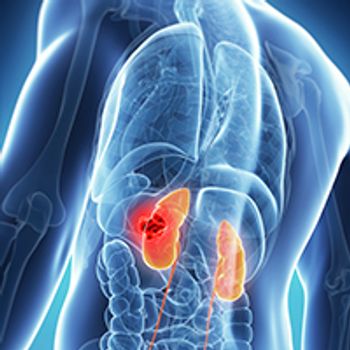
Molecular subtypes of clear-cell renal cell carcinoma were prognostic for outcomes after metastasectomy, with significant differences seen in overall survival and disease-free survival between groupings.

A caseload management tool developed at the Mitchell Cancer Institute at the University of South Alabama offers a comprehensive portrait of a patient's condition that helps oncology nurse navigators to allocate their time and resources efficiently and enables managers to optimize patient care by assigning appropriate caseloads.
Four molecular subtypes of clear-cell renal cell carcinoma were prognostic for outcomes after metastasectomy, with striking differences seen in overall survival and disease-free survival between each of the groups.

An extension in overall survival seen with the combination of nivolumab and ipilimumab has completely changed the standard of care for patients with metastatic renal cell carcinoma.

As clinicians’ understanding of the disease pathobiology associated with Hodgkin lymphoma (HL) has increased, novel treatments have emerged.

Twelve creative and influential oncology research leaders are the winners of the 2017 Giants of Cancer Care® awards, a unique honor that recognizes physician-scientists who have helped move cancer care forward.

Ten prominent oncology researchers and clinicians have been chosen as the 2016 Giants of Cancer Care® award winners from the largest field of nominees in the 4-year history of the unique OncLive recognition program. The winners were chosen by a panel of esteemed oncology leaders.
Radiation therapy can be effectively delivered in more focused, intensive, and shorter-course treatment regimens that offer patients at least equivalent—and in some cases superior—outcomes in several tumor types, thus helping to mitigate challenging adverse effects of standard approaches.
In a propensity-matched analysis of a national cancer registry, patients who underwent radical cystectomy or concurrent chemoradiation to treat urothelial cancer demonstrated statistically similar median overall survival rates. Further analysis suggests that the hazard ratios between the two treatments change over time and is hypothesis generating.
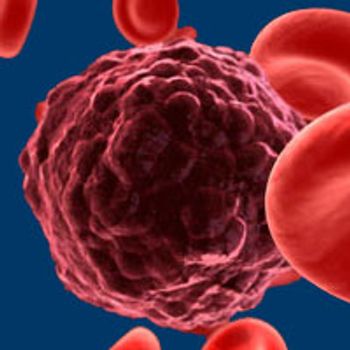
For patients who are likely to experience contiguous recurrence of glioblastoma, a new computer simulation using tumor treating fields and employing a personalized transducer array, delivered electric field intensities that exceeded therapeutic intensities in 3 different tumor locations. The findings may aid treatment planning when using the NovoTAL System, which optimizes therapeutic delivery in 2 orthogonal directions to the gross tumor volume and proximal peri-tumoral brain zone.

Men with intermediate prostate cancer who received extreme hypofractionated radiotherapy reported a low incidence of side effects, with no significant differences compared with a similar cohort of men who received conventional fractionation after 2 years of treatment.

Study results that examined patient-reported outcomes and quality of life measures demonstrate that hypofractionated radiotherapy is a viable, safe, and value-added alternative to patients with low-risk prostate cancer.

Treatment options for men with localized prostate cancer include active surveillance, radical prostatectomy, or external-beam radiotherapy, but in the Prostate Testing for Cancer and Treatment trial each therapy was associated with a low prostate-specific mortality rate of about 1%.

Men with positive needle biopsy for prostate cancer who underwent active surveillance exhibited no difference in quality-of-life compared with men who had a negative prostate needle biopsy.

As a group, Rio Grande Urology shares a sense of obligation and culture. Its leaders have embraced an integrative model approach and sees the advantages of it.
Patients with renal cancer who underwent cytoreductive nephrectomy and targeted therapy had improved survival compared with patients who did not undergo the surgery.