






Precision Medicine in Oncology®
Latest News
Advertisement
Latest Videos





































































Advertisement
More News

Arya Amini, MD, discusses cardiac toxicities associated with lung cancer.

Adrianna Masters, MD, PhD, discusses pivotal events from the 2024 ACRO Summit, emphasizing the importance of mentorship in radiation oncology.

The FDA has accepted a new drug application for ensartinib in metastatic ALK-positive non–small cell lung cancer.
TERN-701 has received orphan drug designation from the FDA for the treatment of patients with chronic myeloid leukemia.

A high proportion of patients with metastatic solid tumors experienced stable disease following treatment with the immunocytokine in the DODEKA trial.

ABSK061 was well tolerated and elicited responses in patients with advanced solid tumors harboring FGFR2/3 alterations.
In case you missed it, below is a recap of all drugs that have been approved by the FDA in February 2024.

In case you missed it, read a recap of every episode of OncLive On Air recorded in January 2024.

Chul Kim, MD, MPH, discusses the impact of optimizing rare targets in lung cancer, highlighting the FDA approval of repotrectinib in ROS1-positive disease.

Jobelle Baldonado, MD, highlights the emergence of targeted therapies and the need for reflex-ordered molecular testing in early-stage lung cancer.
The FDA has granted approval to tepotinib (Tepmetko) for adult patients with metastatic non–small cell lung cancer harboring MET exon 14 skipping alterations.

The combination of the first-in-class inhibitor enasidenib plus venetoclax has generated excitement targeting IDH2 mutations in relapsed/refractory AML.
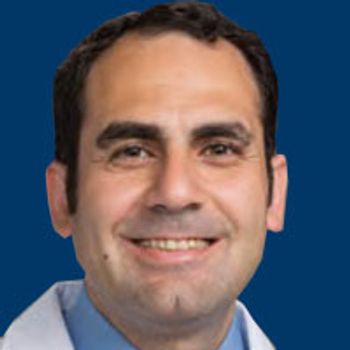
An acceptable safety profile and early evidence of clinical activity was observed with ziftomenib plus standard regimens in select patients with AML.
The FDA granted priority review to a sNDA seeking the approval of alectinib as adjuvant treatment after surgery for early-stage ALK-positive NSCLC.
The FDA has granted priority review to trastuzumab deruxtecan for patients with unresectable or metastatic HER2-positive advanced solid tumors.

The Herbert Irving Comprehensive Cancer Center has developed processes to actively screen any patient with a relevant mutation for an open trial.

KVA12123 demonstrated early signals of on-target activity and tolerability at all dose levels examined to date in patients with advanced solid tumors.

As the treatment paradigm in urothelial cancer expands to include agents directed at various targets, NECTIN-4 has emerged as a promising treatment target.

Jason Porter, MD, discusses the progress in the development of treatment options for patients with KRAS G12C-mutated non–small cell lung cancer.
The FDA has approved erdafitinib (Balversa) for select adult patients with locally advanced or metastatic urothelial carcinoma harboring FGFR3 alterations.

Genetic screening and testing have only recently become an integral part of cancer care.

As novel drugs targeting the AURKA pathway continue to advance through the development pipeline, alisertib has emerged as an agent of particular note.

Investigators hope that first-in-class agents will combat dysfunction of the Hippo pathway by inhibiting the transcription function of TEAD-YAP.function of TEAD-YAP.

The European Commission has granted conditional marketing authorization to adagrasib for patients with KRAS G12C+ advanced non–small cell lung cancer.

Vivek Subbiah, MD, emphasizes the need for improved guidance on practical toxicity management for various FGFR-altered malignancies, highlights best practices for monitoring and managing the most common on-target toxicities associated with FGFR inhibitors, and discusses the key implications of this review for those utilizing FGFR inhibitors.
Advertisement
Advertisement
Trending on OncLive
1
Ifinatamab Deruxtecan BLA Voluntarily Withdrawn in Previously Treated Extensive-Stage SCLC
2
Etentamig Improves Response and PFS vs Standard Therapies in Triple-Class Exposed Relapsed/Refractory Myeloma
3
Dr Voorhees on Eligibility Criteria for the CERVINO Trial in Multiple Myeloma
4
FDA Approves Lirafugratinib for Pretreated, Locally Advanced or Metastatic Cholangiocarcinoma
5