



Precision Medicine in Oncology®
Latest News
Advertisement
Latest Videos





























































Advertisement
More News

Although historically considered to be undruggable, the KRAS G12C mutation has since emerged as an actionable alteration in the field of non–small cell lung cancer.
In our exclusive interview, Dr. Aggarwal and Dr. Gandara discuss the evolution of liquid biopsy in lung cancer, explain the clinical implications of recent liquid biopsy approvals, and forecast the future of liquid biopsy in the field.

The FDA has approved the FoundationOne Liquid CDx for use as a companion diagnostic with olaparib, which is indicated for select patients with deleterious or suspected deleterious germline or somatic homologous recombination repair gene–mutated metastatic castration-resistant prostate cancer.
Mark E. Robson, MD, discusses how a strong cognizance of germline testing is becoming increasingly important in the field of oncology, across an array of tumor types.
Jason J. Luke, MD, FACP, discusses the role of targeted therapy in melanoma.

The FDA has approved the cobas EGFR Mutation Test v2 as a companion diagnostic for EGFR TKIs in the treatment of patients with EGFR-mutated non–small cell lung cancer.

TROPHY U-01 cohort 1 is a phase 2 open-label study of sacituzumab govitecan in patients with metastatic urothelial cancer and disease progression after both platinum-based regimens and checkpoint inhibitors.
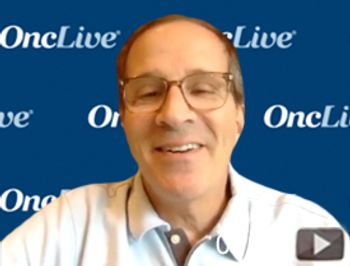
Neal D. Shore, MD, FACS, discusses the need for further education on molecular testing for metastatic castration-resistant prostate cancer.
In our exclusive interview, Dr. Raez provides insight into the advantages and disadvantages of liquid biopsy relative to tissue biopsy and forecasts the utility of liquid biopsy within the field of lung cancer as more of these assays become available.

Aditya Bardia, MD, MPH, discusses the results of the ASCENT trial in triple-negative breast cancer.

Delaying treatment for up to 7 days so that genomic data can be utilized to inform a personalized treatment approach is safe, feasible, and can improve overall survival in patients with acute myeloid leukemia.

Trophoblast cell surface antigen 2 is a glycoprotein that spans the epithelial membrane surface and plays a role in cell self-renewal, proliferation, and transformation.
The FDA has approved the FoundationOne Liquid CDx for use as a companion diagnostic for 3 targeted therapies: alpelisib in advanced or metastatic breast cancer, rucaparib in advanced ovarian cancer, and alectinib in a specific type of metastatic non–small cell lung cancer.
PLX8394, a next-generation BRAF inhibitor, in combination with cobicistat was found to demonstrate encouraging clinical activity with an acceptable safety profile in patients with BRAF-mutated, refractory solid tumors.

The FDA has approved the FoundationOne CDx comprehensive genomic test as a companion diagnostic for larotrectinib (Vitrakvi) to identify patients with NTRK1/2/3 gene fusions across all solid tumors.
The University of Texas MD Anderson Cancer Center and Taiho Pharmaceutical have formed a collaboration to do preclinical and early clinical research on potential therapies to treat brain metastases and those with cancers refractory to available therapies.
In a special episode of OncLive On AirTM Vivek Subbiah, MD, discusses the FDA approval of pembrolizumab in TMB-high solid tumors and addressed the controversy surrounding the approval.
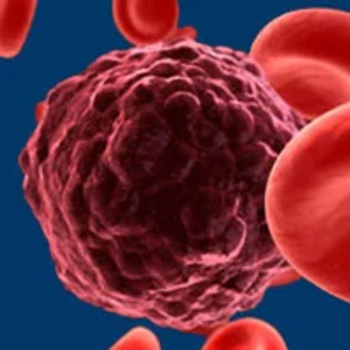
p53 presents a significant challenge for investigators, and the field is littered with clinical trial failures and abandoned drug development programs.
An ongoing, collaborative clinical trial has been expanded to evaluate the investigational protein kinase C inhibitor IDE196 in combination with the multikinase inhibitor crizotinib (Xalkori) for patients with GNAQ- or GNA11-mutated solid tumors, including metastatic uveal melanoma , skin melanoma, lung cancer, and colorectal cancer.
In our exclusive interview, Guillermo Garcia-Manero, MD, discusses the prevalence of TP53 mutations in myelodysplastic syndromes and acute myeloid leukemia, the prognosis these mutations confer, and the development of eprenetapopt and magrolimab in this patient population.
Anna Giuliano, PhD, discusses the work efforts to advance the reach of preventive vaccines and cancers, and the challenges researchers are facing in the process.
In our exclusive interview, Rodolfo Gutierrez, MD, discusses the issues that surround access to care and clinical outcomes with Hispanic patients, efforts The Angeles Clinic has spearheaded to bridge this gap in care, and the importance of patient and provider education and awareness.

Sofia D. Merajver, MD, PhD, discusses the importance of germline testing in patients with breast and ovarian cancer along with how this testing is being used to personalize treatment.

Goutham Narla, MD, PhD, discusses the revolution of genetic testing and how it has led to more accurate and widespread assays for patients with cancer.
Caroline Farrington, PhD, shares her insight as both a researcher and a cancer survivor on the importance of patient advocacy, as well as the proper resources to aid patients through a cancer diagnosis.
Advertisement
Advertisement
Trending on OncLive
1
Ifinatamab Deruxtecan BLA Voluntarily Withdrawn in Previously Treated Extensive-Stage SCLC
2
Etentamig Improves Response and PFS vs Standard Therapies in Triple-Class Exposed Relapsed/Refractory Myeloma
3
Dr Voorhees on Eligibility Criteria for the CERVINO Trial in Multiple Myeloma
4
Long-Term PERSEUS Data Confirm Durable PFS Benefit With D-VRd in Transplant-Eligible Newly Diagnosed Myeloma
5