



Precision Medicine in Oncology®
Latest News
Advertisement
Latest Videos





























































Advertisement
More News

Ritu Salani, MD, discusses opportunities for precision medicine in cervical cancer.
Ritu Salani, MD, discusses opportunities for precision medicine in cervical cancer.

Xiuning Le, MD, PhD, discusses the rationale for tepotinib in MET exon 14 skipping

Jean Lopategui, MD, discusses the evolution of targeted therapies in non–small cell lung cancer.
Mark M. Awad, MD, PhD, discusses the findings from the study, the importance of identifying patients with METex14 mutations, and the importance of understanding acquired resistance in NSCLC.

Zsofia K. Stadler, MD, discusses a study evaluating the clinical utility of germline mutation profiling of targeted therapeutic interventions in a pan-cancer patient population.

Jennifer Marie Suga, MD, discusses the importance of understanding the current limitations to next-generation sequencing in oncology, the impact of the study findings, and remaining challenges regarding NGS testing in the community setting.
Michael J. Overman, MD, discusses potential applications for circulating tumor DNA in colorectal cancer.

The CD71-directed probody-drug conjugate of monomethyl auristatin E CX-2029 showed tolerability and antitumor activity in patients with advanced cancer.

Sander Bach, discusses the rationale for conducting this systematic review in CRC, key inclusion/exclusion criteria, and the potential clinical implications of these findings.

The European Medicines Agency’s Committee for Medicinal Products for Human Use has recommended entrectinib for the treatment of adult and pediatric patients ≥12 years of age with solid tumors that harbor an NTRK fusion, as well as for the treatment of adult patients with ROS1-positive, advanced non–small cell lung cancer not previously treated with ROS1 inhibitors.

RET inhibitor pralsetinib induced responses in a number of patients with rare and difficult to treat RET fusion–positive solid tumors.
The rate of global molecular testing is low and is limited by a number of factors, including cost, quality, turn-around time, access, and lack of awareness of testing.
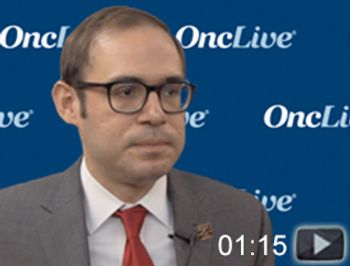
Anastasios (Tassos) Dimou, MD, shares advice from managing patients with non–small cell lung cancer who experience disease progression following therapy.
Anastasios (Tassos) Dimou, MD, shares advice from managing patients with non–small cell lung cancer who experience disease progression following therapy.
The FDA has approved two companion diagnostics to identify patients with metastatic castration-resistant prostate cancer with homologous recombination repair mutations, making them eligible for treatment with olaparib.
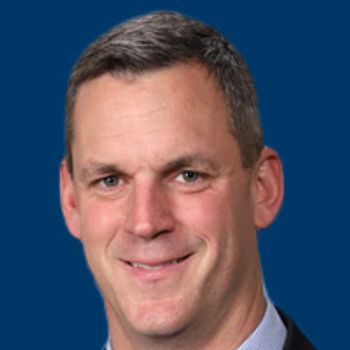
David D. Thiel, MD, discussed the results of a CCGA study and the next steps with this research.
The FDA has approved PD-L1 IHC 28-8 pharmDx for use as a companion diagnostic to identify patients with metastatic non–small cell lung cancer with PD-L1 tumor expression ≥1%, making them eligible for frontline treatment with nivolumab plus ipilimumab.
Anastasios (Tassos) Dimou, MD, discusses emerging treatment options in BRAF-positive lung cancer.
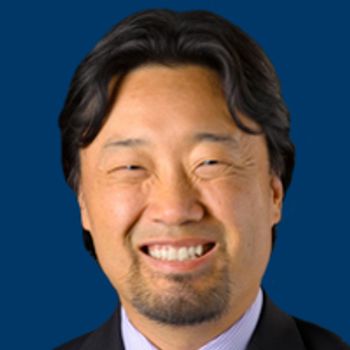
David S. Hong, MD, discusses the results of these analyses with larotrectinib in patients with NTRK alterations.
The FDA has approved myChoice CDx for use as a companion diagnostic to identify patients with advanced ovarian cancer with positive homologous recombination deficiency status, making them eligible to receive frontline maintenance treatment with olaparib plus bevacizumab.
The FDA has approved myChoice CDx for use as a companion diagnostic to identify patients with advanced ovarian cancer with positive homologous recombination deficiency status, making them eligible to receive frontline maintenance treatment with olaparib plus bevacizumab.
From the earliest moments of medical school instruction, through residency and fellowship training, physicians are taught the primacy of the randomized phase 3 trial in the hierarchy of evidence-based medicine.
Kevin Hughes, MD, discusses mutational risk in oncology.

Udai Banerji, MD, discusses the results from a phase 1 trial with the combination of VS-6766 (CH5126766) and defactinib in KRAS-mutant tumors.
Advertisement
Advertisement
Trending on OncLive
1
Ifinatamab Deruxtecan BLA Voluntarily Withdrawn in Previously Treated Extensive-Stage SCLC
2
Dr Voorhees on Eligibility Criteria for the CERVINO Trial in Multiple Myeloma
3
Etentamig Improves Response and PFS vs Standard Therapies in Triple-Class Exposed Relapsed/Refractory Myeloma
4
Long-Term PERSEUS Data Confirm Durable PFS Benefit With D-VRd in Transplant-Eligible Newly Diagnosed Myeloma
5