





Precision Medicine in Oncology®
Latest News

May 25th 2021
By Kristi Rosa
The FDA has granted approval to the Guardant360 CDx liquid biopsy assay as the first companion diagnostic for amivantamab-vmjw to determine which patients with locally advanced or metastatic non–small cell lung cancer harboring EGFR exon 20 insertion mutations may derive benefit from the agent after progressing on, or after, platinum-based chemotherapy.
Advertisement
Latest Videos





































































Advertisement
More News

Helen J. Ross, MD, discusses the utility of first- and second-generation EGFR inhibitors in EGFR-mutant non–small cell lung cancer.

Frequently dysregulated in cancer cells, the PI3K pathway has long been a high-priority therapeutic target in oncology. However, initial efforts with pan–class I PI3K inhibitors were hampered by disappointing efficacy and substantial toxicity.

During this search for a breast cancer support system, my mother also investigated complementary therapies that peers had used to help cope with their fears, adverse effects, and feelings of helplessness.

The highly heterogeneous nature of cholangiocarcinoma at the genomic, epigenetic, and molecular levels has led to the development of effective new treatments for patients with these rare malignant tumors.

The cancer-specific biomarker TRIM63 was highly expressed in all classes of microphthalmia-associated transcription factor family aberration–associated renal cell carcinoma compared with other subtypes of RCC, where TRIM63 expression was low or absent.

The FDA has granted a priority review to the supplemental new drug application for ivosidenib tablets as a treatment option for patients with previously treated, IDH1-mutant cholangiocarcinoma.

Andreas Saltos, MD, discusses the importance of broad molecular testing in non–small cell lung cancer.

A higher incidence of somatically acquired genetic alterations, including damaging mutations in ZMYM3 leading to genomic instability, as well as deletions in MAP3K7, BNIP3L, RB1, and NEIL3, and gain of MYC, may lead to more aggressive prostate cancer in Black/African American men.

I-Mab Biopharma and ABL Bio, Inc set their sights on adding the bispecific antibody, TJ-CD4B, to the expanding armamentarium for patients with various types of advanced and metastatic solid cancers.

The development of novel therapies aimed at tumors with RET alterations in non-small cell lung cancer and thyroid cancers sets the stage for a future tumor-agnostic role for this molecularly targeted approach.

Samuel Ahuno discusses bringing precision medicine in cancer care to Ghana.

Dual inhibition of the MAPK pathway using the BRAF and MEK inhibitors dabrafenib and trametinib, respectively, resulted in durable clinical benefit for patients with BRAF V600E mutant low- and high-grade glioma.

Selpercatinib demonstrated a favorable safety profile, characterized by low-grade treatment-emergent adverse effects, manageable early onset toxicity, and low rates of treatment discontinuation, in patients with RET-altered advanced solid tumors.

Paz Polak, PhD, discusses research that evaluated cancer genomes in Ghana through the use of liquid biopsies.
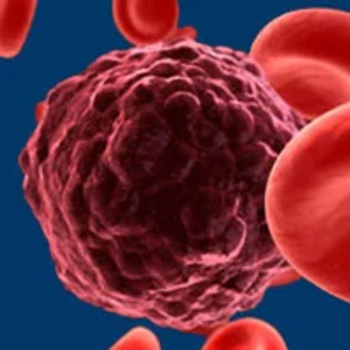
The CDK9 inhibitor voruciclib demonstrated early activity as a single agent in KRAS-mutant cancer cell lines, and synergistically inhibited growth of KRAS-mutant cancers when used in combination with sotorasib and adagrasib in preclinical models.

Conflicting results regarding the benefit of adjuvant CDK4/6 inhibition in early-stage hormone receptor–positive, HER2-negative breast cancer have prompted many questions regarding patient selection and treatment duration, which many hope will be answered with ongoing biomarker research.

The FDA has approved a new biweekly dosing regimen of 500 mg/m2 as a 120-minute intravenous infusion for cetuximab (Erbitux) for patients with KRAS wild-type, EGFR-expressing colorectal cancer or squamous cell carcinoma of the head and neck.

Tanya Dorff, MD, discusses how the FDA approvals of olaparib and rucaparib have paved the way for additional research with PARP inhibitors in metastatic castration-resistant prostate cancer.

Ulrich Steidl, MD, PhD, discusses translational research efforts that have been made with targeting leukemia stem cells and ongoing clinical trials that are examining novel therapeutic targets in myeloid malignancies and beyond.

The RET inhibitor TPX-0046 demonstrated encouraging preliminary activity, which included objective responses, and an acceptable toxicity profile when used in patients with RET-driven advanced solid tumors.

Thomas C. Krivak, MD, discusses the significance of HRD in ovarian cancer, approved and prospective HRD tests, and considerations for genomic testing in this population.

Janakiraman Subramanian, MD, discusses the efficacy of selpercatinib in patients with RET fusion–positive non–small cell lung cancer.

The FDA has granted a breakthrough therapy designation to the FGFR inhibitor futibatinib for the treatment of patients with previously treated, locally advanced or metastatic cholangiocarcinoma that harbors FGFR2 gene rearrangements, including fusions.

Digital media, now more than ever, has become a primary platform for communication, and in 2020, the production of the OncLive® podcast, OncLive On Air™, was put into overdrive to bring practicing oncologists exclusive biweekly interviews, discussions, and insights from leading experts in cancer care.

Gilteritinib was found to result in a significant improvement in overall survival when used in patients with FLT3-mutated, relapsed/refractory acute myeloid leukemia, meeting the primary end point of the confirmatory phase 3 COMMODORE trial in China.
Advertisement
Advertisement
Trending on OncLive
1
Ifinatamab Deruxtecan BLA Voluntarily Withdrawn in Previously Treated Extensive-Stage SCLC
2
Etentamig Improves Response and PFS vs Standard Therapies in Triple-Class Exposed Relapsed/Refractory Myeloma
3
Dr Voorhees on Eligibility Criteria for the CERVINO Trial in Multiple Myeloma
4
Long-Term PERSEUS Data Confirm Durable PFS Benefit With D-VRd in Transplant-Eligible Newly Diagnosed Myeloma
5