
Gastrointestinal Cancer
Latest News
Advertisement
Latest Videos















































Advertisement
More News
Thanks to technological advances, the past several decades have witnessed a blossoming appreciation of the varied composition of these microbial communities, their complex and dynamic relationship with the host, and the way they affect health and disease.
Byrne Lee, MD, discusses regional treatment strategies for patients with metastatic colorectal cancer.

SM-88, a novel compound that attacks oncogenic metabolic pathways, is under development for patients with metastatic pancreatic cancer and other solid tumors, raising the potential for a tumor-agnostic therapy.

Kabir Mody, assistant professor of medicine, consultant, Division of Hematology/Oncology, Mayo Clinic, highlights the recent treatment advances for patients with hepatocellular carcinoma.
Marwan Fakih, MD, discusses recent trials in colorectal cancer and highlights other ongoing research in the field.
Daneng Li, MD, an assistant clinical professor in the Department of Medical Oncology and Therapeutics Research, and a medical oncologist at City of Hope, discusses an ongoing study of preoperative immunotherapy in patients with hepatocellular carcinoma (HCC).
Pashtoon M. Kasi, MD, MBBS, MS, assistant professor of oncology and senior associate consultant in the Division of Hematology/Oncology at Mayo Clinic, discusses the application of pharmacogenomics in colorectal cancer (CRC).
Rachna T. Shroff, MD, MS, highlighted the ongoing research efforts in biliary tract cancers, specifically with cholangiocarcinoma treatment.
Because specific risk-reducing interventions may be available, it is important to identify individuals with germline variants in cancer susceptibility genes.
John Strickler, MD, discusses how liquid biopsies are being used to help guide treatment decisions for patients with GI cancers and shed light on other research efforts that are being made to improve outcomes.
Vincent Chung, MD, discusses the therapeutic landscape of early-stage and advanced pancreatic cancer.
Pashtoon M. Kasi, MD, MBBS, MS, provides an overview of the potential for liquid biopsies in CRC and advances being made in the treatment landscape.
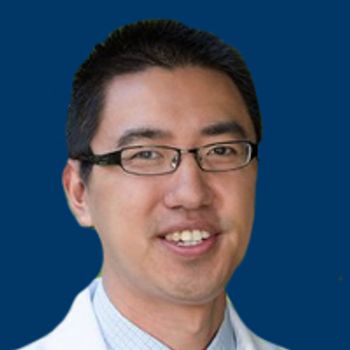
Daneng Li, MD, shed light on some of the currently available regimens and ongoing research efforts being conducted in hepatocellular carcinoma and neuroendocrine tumors.



Advertisement
Advertisement
Trending on OncLive
1
Epcoritamab Plus R-CHOP Meets PFS End Point in Newly Diagnosed DLBCL
2
‘Our Impact Will Be Broad and Transformative’: Wells Messersmith, MD, Takes the Reins at CU Anschutz Cancer Center
3
FDA Approves Pirtobrutinib for Previously Untreated CLL/SLL
4
Berzosertib Plus Carboplatin Fails to Improve Responses in Pretreated mCRPC
5