


Gastrointestinal Cancer
Latest News
Advertisement
Latest Videos



















































Advertisement
More News
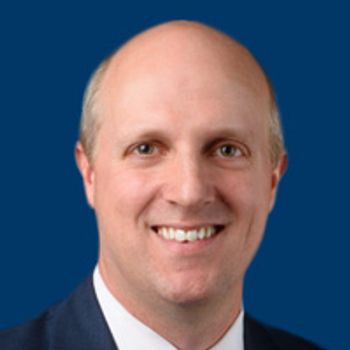
Scott Kopetz, MD, PhD, FACP, discusses the current treatment landscape of colorectal cancer and the importance of molecular subtyping.
Carlos Becerra, MD, discusses sequencing strategies, immunotherapy, and practice-changing clinical trials in the field of pancreatic cancer.

Carlos Becerra, MD, medical oncologist, Texas Oncology, discusses an investigational cellular therapy in colorectal cancer.

Scott Paulson, MD, co-director of the Gastrointestinal Research Program for The US Oncology Network, medical director for the Neuroendocrine Research and Treatment Center at Baylor Charles A. Sammons Cancer Center, Baylor University Medical Center, discusses the current treatment of patients with neuroendocrine tumors.

Amit G. Singal, MD, associate professor, UT Southwestern Medical Center, discusses emerging systemic therapies in hepatocellular carcinoma.
Shirley Michelle Shiller, DO, discusses the clinical application of precision medicine in gastrointestinal cancer.

Amit G. Singal, MD, discusses the evolving armamentarium of treatment options for patients with hepatocellular carcinoma.
Tanios Bekaii-Saab, MD, discusses the ReDOS and IMblaze370 trials with regorafenib trials in metastatic colorectal cancer.
Carlos Becerra, MD, medical oncologist, Texas Oncology, discusses sequencing therapies in the treatment of patients with pancreatic cancer.
A. David McCollum, MD, discusses the need for greater use of molecular profiling, the importance of tumor sidedness when selecting a treatment regimen, and the value of maintenance therapy in patients with metastatic disease.
Tanios Bekaii-Saab, MD, professor of medicine, Mayo Clinic, discusses regorafenib (Stivarga) use in metastatic colorectal cancer (mCRC).

Amit G. Singal, MD, associate professor, UT Southwestern Medical Center, discusses sequencing therapy for patients with hepatocellular carcinoma.
The European Commission has approved lenvatinib (Lenvima) as a first-line treatment for adult patients with advanced or unresectable hepatocellular carcinoma.
Michael J. Overman, MD, discusses the current state of immunotherapy in patients with CRC and how to optimally manage immune-related adverse events.
Shirley Michelle Shiller, DO, member of the Precision Medicine Institute's Advisory Committee, Baylor University Medical Center, discusses molecular testing in gastrointestinal cancers.
Scott Paulson, MD, discusses recent updates in the treatment of patients with neuroendocrine tumors.

Scott Paulson, MD, co-director of the Gastrointestinal Research Program for The US Oncology Network, medical director for the Neuroendocrine Research and Treatment Center at Baylor Charles A. Sammons Cancer Center, Baylor University Medical Center, discusses when to consider using Lutathera (lutetium Lu 177 dotatate) in patients with neuroendocrine tumors (NETs).
A. David McCollum, MD, oncologist, Baylor University Medical Center, discusses frontline therapy for patients with metastatic colorectal cancer (mCRC).
Carlos Becerra, MD, medical oncologist, Texas Oncology, discusses regorafenib (Stivarga) dosing in the treatment of patients with metastatic colorectal cancer.
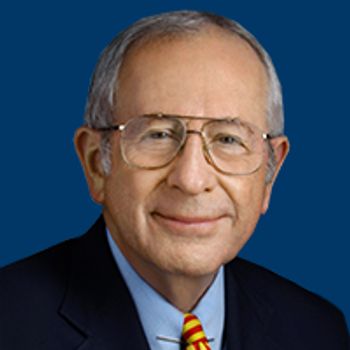
John L. Cameron, MD, is most commonly associated with the refinement of Whipple procedures; these extensive surgical operations became far more successful thanks to his dedication.
Tanios Bekaii-Saab, MD, professor of medicine, Mayo Clinic, discusses the FDA approval of lenvatinib (Lenvima) as a frontline systemic treatment for patients with advanced hepatocellular carcinoma (HCC).

The FDA has approved lenvatinib as a first-line treatment for patients with unresectable hepatocellular carcinoma.
Daniel H. Ahn, DO, oncologist and internist, Mayo Clinic, discusses biomarker-driven strategies in gastric and gastroesophageal junction (GEJ) cancers.
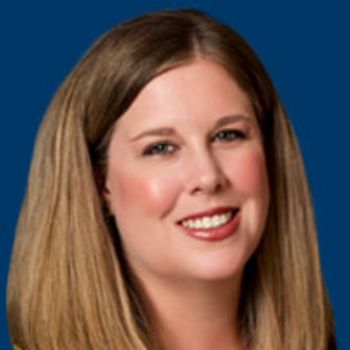
Jodie Barr, DO, discusses the evolution of treatment of patients with neuroendocrine tumors and the need for biomarkers.
Tanios Bekaii-Saab, MD, professor of medicine, Mayo Clinic, discusses the evolution of treatment for patients with pancreatic cancer.
Advertisement
Advertisement
Trending on OncLive
1
Epcoritamab Plus R-CHOP Meets PFS End Point in Newly Diagnosed DLBCL
2
‘Our Impact Will Be Broad and Transformative’: Wells Messersmith, MD, Takes the Reins at CU Anschutz Cancer Center
3
FDA Approves Pirtobrutinib for Previously Untreated CLL/SLL
4
Berzosertib Plus Carboplatin Fails to Improve Responses in Pretreated mCRPC
5