
Gastrointestinal Cancer
Latest News
Advertisement
Latest Videos

















































Advertisement
More News

Andrew Ko, MD, discusses how the approval of pembrolizumab has impacted patients with positive PD-L1 expression and how clinical trials that have reshaped the standard of care in patients with gastric and GEJ cancers.
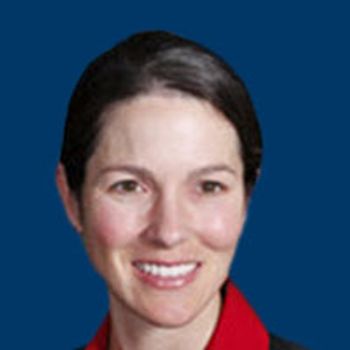
R. Kate Kelley, MD, discusses the incidence of and risk factors for HCC, and emphasizes the sequence of clinical trials that characterized the field in 2017.

Katherine Van Loon, MD, gastrointestinal cancer specialist, University of California, San Francisco Helen Diller Family Comprehensive Cancer Center, discusses the management of rectal cancer.

Manish A. Shah, MD, director of gastrointestinal oncology and chief of Solid Tumor Service at Weill Cornell Medicine/NewYork-Presbyterian Hospital, discusses the relationship between helicobacter pylori (H. pylori) and immune response in gastric cancer.
Arun S. Singh, MD, associate professor, UCLA David Geffen School of Medicine, discusses the next steps following a trial investigating single-agent and combination immunotherapy for patients with gastrointestinal stromal tumors (GIST).

Margaret A. Tempero, MD, discusseds frontline treatment options in pancreatic cancer and emphasized the use and difficulties of conventional and incoming therapies across disease states.
Zev A. Wainberg, MD, discusses data from the pancreatic cancer cohort of a trial evaluating cabiralizumab in combination with nivolumab.
Ramucirumab extended overall survival versus placebo as a second-line treatment for patients with hepatocellular carcinoma and elevated baseline alpha-fetoprotein, according to findings from the phase III REACH-2 trial.
Paul R. Helft, MD, professor of medicine, Indiana University School of Medicine, Indiana University Health Melvin and Bren Simon Cancer Center, discusses pancreatic and carcinoid neuroendocrine tumors.
Tanios Bekaii-Saab, MD, professor of medicine, Mayo Clinic, discusses the next steps following for regorafenib (Stivarga) in colorectal cancer (CRC).
Tanios Bekaii-Saab, MD, discusses emerging treatments offering hope to patients with pancreatic cancer.
Bert H. O’Neil, MD, discusses the role of molecular testing throughout GI cancers and highlights the current and developing treatment landscape for patients with colorectal cancer.
Manish A. Shah, MD, discusses the advancements being made in the treatment of patients with advanced gastric and gastroesophageal junction cancer.
Yelena Y. Janjigian, MD, medical oncologist, Memorial Sloan Kettering Cancer Center, discusses the addition of checkpoint inhibitors to the treatment landscape for patients with gastric and esophageal cancer, as well as potential combinations being investigated.
Shubham Pant, MD, shares his insight on the future direction of the treatment landscape of colorectal cancer.
Bert O’Neil, MD, the Joseph W. and Jackie J. Cusick Professor of Oncology, professor of medicine, and director of the Phase I and Gastrointestinal Oncology Programs at Indiana University, discusses the current treatment of patients with colorectal cancer.

Shubham Pant, MD, associate medical director of the Clinical & Translational Research Center, associate professor, Department of Gastrointestinal Medical Oncology, The University of Texas MD Anderson Cancer Center, discusses ongoing efforts in metastatic colorectal cancer (mCRC) and his hope for the future treatment landscape.

Japanese regulators have granted a Sakigake designation to trastuzumab deruxtecan (DS-8201), for the treatment of patients with HER2-positive gastric cancer that is refractory to trastuzumab (Herceptin).
Maria Svensson, MD, Lund University, discusses the impact of determining PD-1 and PD-L1 status for patients with esophageal and gastric adenocarcinoma.

The FDA has granted a priority review to a supplemental biologics license application for nivolumab plus ipilimumab for the treatment of adult patients with microsatellite instability-high or mismatch repair deficient metastatic colorectal cancer following progression on a fluoropyrimidine, oxaliplatin, and irinotecan.

Eileen O’Reilly, MD, associate director for clinical research at Memorial Sloan Kettering Cancer Center discusses biomarker research in pancreatic cancer.

Chloe E. Atreya, MD, PhD, discusses the latest treatment advances in mCRC, including tumor sidedness and emerging immunotherapy strategies.
Japan’s Pharmaceuticals and Medical Devices Agency has approved lenvatinib mesylate for the frontline treatment of patients with unresectable hepatocellular carcinoma.

Eric A. Collisson, MD, discusses ongoing efforts to advance precision medicine in GI malignancies to improve the standard of care.

Katherine Van Loon, MD, gastrointestinal cancer specialist, University of California, San Francisco Helen Diller Family Comprehensive Cancer Center, discusses the design of the multicenter PROSPECT trial.
Advertisement
Advertisement
Trending on OncLive
1
Epcoritamab Plus R-CHOP Meets PFS End Point in Newly Diagnosed DLBCL
2
‘Our Impact Will Be Broad and Transformative’: Wells Messersmith, MD, Takes the Reins at CU Anschutz Cancer Center
3
FDA Approves Pirtobrutinib for Previously Untreated CLL/SLL
4
INBRX-106 Plus Pembrolizumab Improves Responses and PFS in First-Line PD-L1–Positive HNSCC
5