
Gastrointestinal Cancer
Latest News
Advertisement
Latest Videos



















































Advertisement
More News
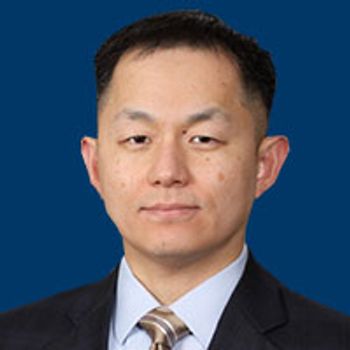
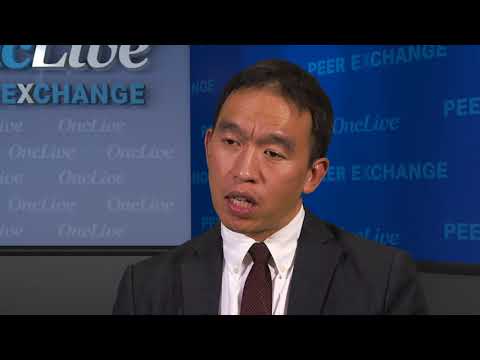
Harry H. Yoon, MD discussed the promise of immunotherapy and emphasized the importance of mismatch repair deficiency testing in gastric/GEJ Cancer.
In its fight against pancreatic cancer, the Pancreatic Cancer Action Network aims to improve current survival and double survival by 2020.
Theodore H. Welling, MD, associate professor of surgery, director of the Liver Tumor Program at Perlmutter Cancer Center of NYU Langone Medical Center, discusses the efficacy of nivolumab (Opdivo) for patients with hepatocellular carcinoma (HCC).
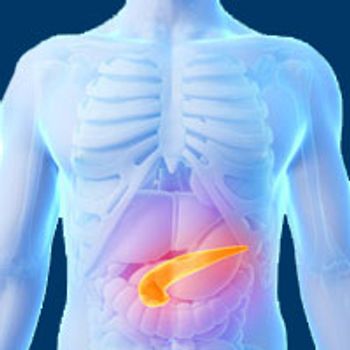
There is an urgent need for new approaches, particularly since pancreatic cancer is expected to become the second leading cause of cancer-related mortality by 2030.
PEGPH20 (pegvorhyaluronidase alfa), a novel formulation of a naturally occuring enzyme, is being investigated as a biomarker-driven treatment for patients with advanced pancreatic cancer.
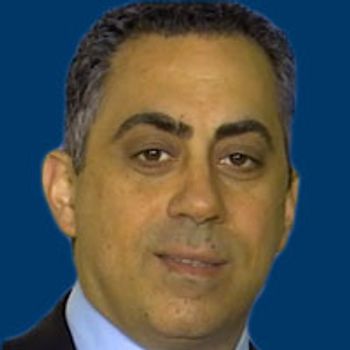
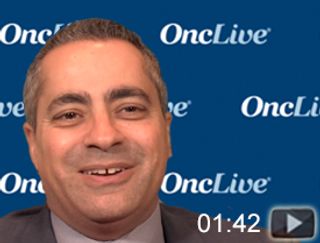
Tanios Bekaii-Saab, MD, discusses the emerging role of immunotherapy in patients with MSI-H colorectal cancer.
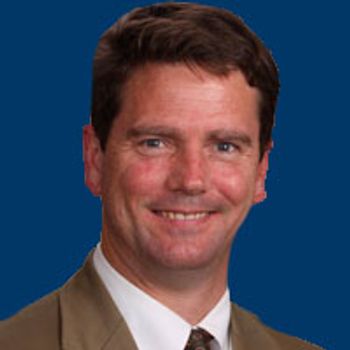
Optimizing frontline therapy for patients with pancreatic cancer is an ongoing focal point in the field.

The FDA has accepted a supplemental new drug application for lenvatinib as a frontline systemic treatment for patients with advanced hepatocellular carcinoma.
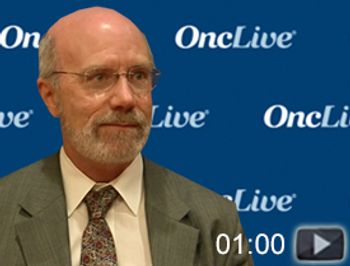
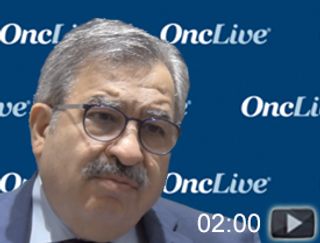
Steven R. Alberts, MD, professor of oncology in the College of Medicine, Mayo Clinic, discusses recent updates in liver cancer.
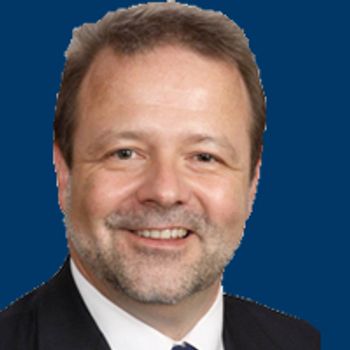
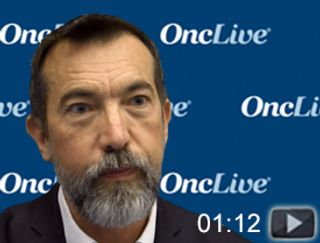
Axel Grothey, MD, discusses current first-line treatments for patients with CRC and the importance of developing biomarkers for this population.

Tim G. Larson, MD, discusses emerging data involving immunotherapy for patients with microsatellite instability (MSI)/microsatellite stable (MSS) colorectal cancer (CRC) and highlighted some of the identified molecular mutations in patients with CRC
Advertisement
Advertisement
Trending on OncLive
1
Epcoritamab Plus R-CHOP Meets PFS End Point in Newly Diagnosed DLBCL
2
INBRX-106 Plus Pembrolizumab Improves Responses and PFS in First-Line PD-L1–Positive HNSCC
3
FDA Approves Pirtobrutinib for Previously Untreated CLL/SLL
4
‘Our Impact Will Be Broad and Transformative’: Wells Messersmith, MD, Takes the Reins at CU Anschutz Cancer Center
5