

Gastrointestinal Cancer
Latest News
Ongoing Research Could Help Define the Role of Immunotherapy in Earlier-Stage HCC
By Ashley Chan

FDA Approves Zanidatamab for Previously Treated, Unresectable or Metastatic HER2+ Biliary Tract Cancer
By Chris Ryan
Advertisement
Latest Videos
















































Advertisement
More News
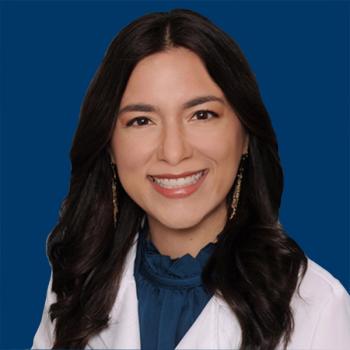
Cindy M. Pabon, MD, discusses efforts to improve patient outcomes in gastric/GEJ cancer through the development of effective biomarker–targeted therapies.
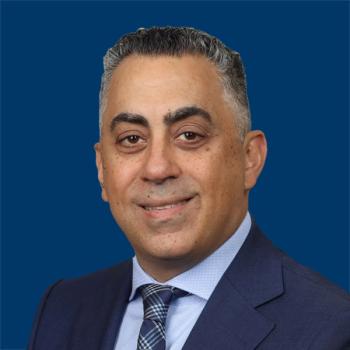
Tanios S. Bekaii-Saab, MD, discusses the evolution of frontline treatment in advanced pancreatic cancer.
Yelena Y. Janjigian, MD, highlights key takeaways and data from 2024 in the gastric and GEJ cancer field.
Zolbetuximab plus chemotherapy extended PFS and OS in HER2–, locally advanced unresectable or metastatic, CLDN18.2+ gastric/GEJ adenocarcinoma.
Haley M. Hill, PA-C, discusses preliminary data for zenocutuzumab in NRG1 fusion–positive non–small cell lung cancer and pancreatic cancer.
Haley M. Hill, PA-C, discusses how physician assistants aid in treatment planning for NRG1-positive non–small cell lung cancer and pancreatic cancer.
Haley M. Hill, PA-C, discusses DNA vs RNA sequencing for genetic testing in non–small cell lung cancer and pancreatic cancer.
Haley M. Hill, PA-C, discusses current approaches and treatment challenges in NRG1-positive non–small cell lung cancer and pancreatic cancer.

Obe-cel wins FDA approval in relapsed/refractory B-cell ALL, FDA approval is sought for sunvozertinib in EGFR exon 20–positive NSCLC, and more.

The Nectin-4/CD137 Bicycle–targeted immune cell agonist BT7480 had antitumor activity in patients with Nectin-4– and CD137-expressing tumors.
Here is your snapshot of all therapeutic options that the FDA approved in October 2024 spanning tumor types.
Regorafenib improved overall survival vs placebo in refractory advanced gastric or gastroesophageal junction cancer.
Tanios Bekaii-Saab, MD, FACP, discusses the role of liquid and tissue biopsies in newly diagnosed gastrointestinal cancers.
Asciminib gets FDA accelerated approval for chronic-phase CML, RMC-9805 shows activity in KRAS G12D+ pancreatic cancer, and more from OncLive this week.
This roundup includes exclusive insights from 23 clinicians and key data on the top abstracts coming out of the 2024 ESMO Annual Meeting.
Cindy Medina Pabon, MD, discusses the clinical relevance of the FDA approval of zolbetuximab for CLDN18.2-positive gastric or GEJ adenocarcinoma.
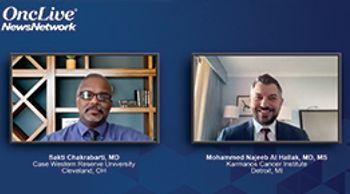
Mohammed Najeeb Al Hallak, MD, MS, and Sakti Chakrabarti, MD, discuss ongoing research in gastrointestinal cancers.

Mohammed Najeeb Al Hallak, MD, MS, and Sakti Chakrabarti, MD, discuss research building upon approved combinations in unresectable hepatocellular carcinoma.
Mohammed Najeeb Al Hallak, MD, MS, and Sakti Chakrabarti, MD, on trastuzumab deruxtecan–based regimens in advanced HER2-positive GI cancers.
Nataliya Uboha, MD, PhD, discusses the FDA’s ODAC’s recommendation to restrict anti–PD-1 agents to patients with PD-L1–positive ESCC.
FDA accepts rivoceranib/camrelizumab NDA for review in HCC, acalabrutinib triplet yields responses in untreated mantle cell lymphoma, and more from OncLive this week.
Mohammed Najeeb Al Hallak, MD, MS, and Sakti Chakrabarti, MD, on tremelimumab/durvalumab vs atezolizumab/bevacizumab in unresectable HCC.
Mohammed Najeeb Al Hallak, MD, MS, and Sakti Chakrabarti, MD, on 5-year data for tremelimumab plus durvalumab in unresectable HCC.
Tanios Bekaii-Saab, MD, FACP, discusses the evolving treatment paradigm for BRCA1- and BRCA2-positive pancreatic cancer in the first-line setting.
Nataliya Uboha, MD, PhD, discusses the evolving treatment landscape for patients with gastric, gastroesophageal junction, and esophageal cancers.
Advertisement
Advertisement
Trending on OncLive
1
INBRX-106 Plus Pembrolizumab Improves Responses and PFS in First-Line PD-L1–Positive HNSCC
2
FDA Approves Pirtobrutinib for Previously Untreated CLL/SLL
3
Epcoritamab Plus R-CHOP Meets PFS End Point in Newly Diagnosed DLBCL
4
‘Our Impact Will Be Broad and Transformative’: Wells Messersmith, MD, Takes the Reins at CU Anschutz Cancer Center
5