




Genitourinary Cancers
Latest News
Advertisement
Latest Videos































































Advertisement
More News

Michael Basin, MD, discusses the design of a preclinical investigation into the pharmacological inhibition of the molecular chaperone Hsp70 and how it relates to belzutifan resistance in clear cell renal cell carcinoma.

The combination of lenvatinib and pembrolizumab continued to show clinical activity in patients with metastatic renal cell carcinoma, including in subsets of patients who had received or were naïve to checkpoint inhibitors.
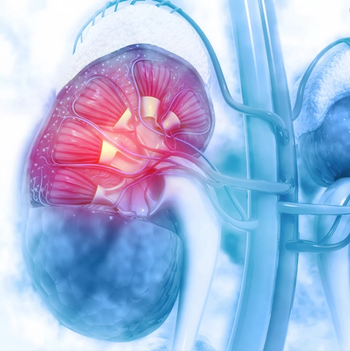
Higher levels of baseline TCR clonality in peripheral blood mononuclear cells (PBMCs) and baseline IgG1 fraction in PBMCs and tumor tissue were identified in an institutional cohort of samples from patient with metastatic renal cell carcinoma.

Olaparib monotherapy elicited responses with favorable tolerability in patients with renal cell carcinoma whose tumors harbored BAP1 or other DNA repair gene mutations, according to data from the interim analysis of the phase 2 ORCHID trial presented during the 2023 Kidney Cancer Research Summit.

Although the use of immunotherapy treatment approaches continues to become more prevalent in advanced renal cell carcinoma, high-level evidence showing benefit of sequential administration of these agents are limited.

Determining the appropriate front-line treatment pathway for patients with clear cell renal cell carcinoma may not always align with risk stratification features.

Chung-Han Lee, MD, PhD, discusses the final results of the phase 2 cohort of a phase 1/2 trial evaluating lenvatinib plus pembrolizumab in patients with pretreated metastatic clear cell renal cell carcinoma.

Yasser Mohamed Ali Ged, MBBS, discusses the phase 2 ORCHID trial (NCT03786796).
Toni K. Choueiri, MD, discusses ongoing trials in advanced renal cell carcinoma.

David F. McDermott, MD, discusses the randomized phase 2 LITESPARK-024 trial (NCT05468697).
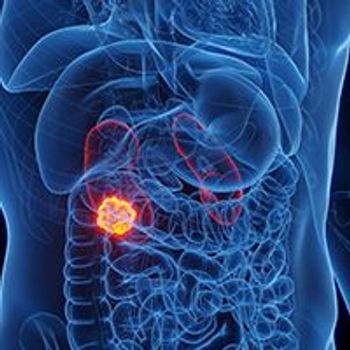
Neoadjuvant immunotherapy–based combinations led to reductions in tumor size and pathologic necrosis at the time of cytoreductive nephrectomy in patients with metastatic renal cell carcinoma.
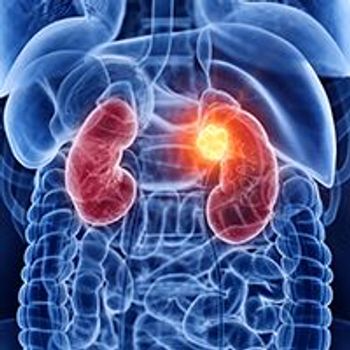
Adjuvant pembrolizumab prolonged disease-free survival and distant metastasis-free survival compared with placebo across The University of California Los Angeles Integrated Staging System–categorized subgroups of patients with clear cell renal cell carcinoma.

Lenvatinib plus pembrolizumab demonstrated improved overall response rates compared with sunitinib monotherapy in treatment-naïve patients with advanced renal cell carcinoma regardless of risk status or PD-L1 expression.

The tumor-immune evasion cell networks in clear cell renal cell carcinoma may be captured and classified using imaging mass cytometry, an orthogonal approach with the potential for increased cost-efffectiveness and accuracy compared with single-cell RNA sequencing.

China’s National Medical Products Administration has accepted a supplemental new drug application seeking the approval of toripalimab plus for the first-line treatment of patients with unresectable or metastatic renal cell carcinoma
Toni K. Choueiri, MD, highlights findings from the CONTACT-03 trial and their clinical significance, as well as the need for continued investigation of PD-1 inhibitor rechallenge despite the negative trial results with cabozantinib and atezolizumab.
Focused discussion on the rationale behind discontinuing (or continuing) immunotherapy for patients with advanced clear cell renal cell carcinoma.

Centering discussion on a patient scenario of advanced clear cell renal cell carcinoma, panelists reflect on how they would approach selecting first-line therapy.

Thomas Hutson, DO, PharmD, expands on previously reported findings from the CLEAR study, details updated data from the final OS analysis, and emphasizes how these results support the use of this regimen as a mainstay treatment option in the frontline setting for patients with advanced RCC.

Panelists consider best practices in dosing while managing patients on first-line therapy for advanced clear cell renal cell carcinoma.

Expert perspectives on the adverse event profiles of first-line combination therapies in the advanced clear cell renal cell carcinoma space.

Ulka Nitin Vaishampayan, MBBS, discusses findings from the phase 3 CONTACT-03 trial in patients with renal cell carcinoma.

Guru P. Sonpavde, MD, discusses the potential impact of the phase 3 THOR study evaluating erdafitinib vs chemotherapy in patients with advanced or metastatic urothelial cancer harboring FGFR2/3 alterations.
Toni Choueiri, MD, discusses remaining questions associated with the role of immune checkpoint inhibitor continuation following progression on a prior checkpoint blockade in advanced renal cell carcinoma, and attempts to address them through continued research.

Jennifer M. King, MD, expands on the design and methodology of a retrospective study of teratoma in residual nonretroperitoneal disease post-chemotherapy and key findings regarding the correlation between teratoma in the primary tumor and rates of post-chemotherapy teratoma in residual non–nonretroperitoneal disease.
Advertisement
Advertisement
Trending on OncLive
1
Savolitinib Plus Osimertinib NDA Submitted to FDA for MET-Driven, EGFR-Mutated NSCLC After EGFR TKI
2
FDA Grants Priority Review to Elinzanetant for Endocrine Therapy–Associated Vasomotor Symptoms in HR+ Breast Cancer
3
Calculating the Real Cost of False Positive Findings in Cancer Screening
4
China's NMPA Approves Pirtobrutinib Across CLL
5