



Genitourinary Cancers
Latest News
Advertisement
Latest Videos
































































Advertisement
More News


Robert J. Motzer, MD, and Ulka Nitin Vaishampayan, MD, MBBS, FAB, discuss some of the latest updates in metastatic renal cell carcinoma.

Caroline Farrington, PhD, discusses the importance of genetic testing in colorectal cancer.
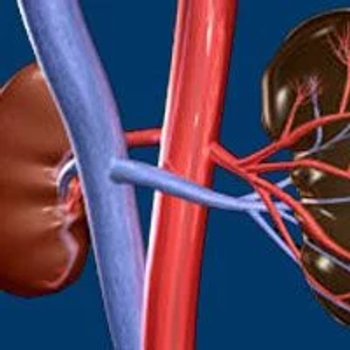
Targeted therapy and immunotherapy have improved survival outcomes for patients with metastatic renal cell carcinoma.

Ziad Bakouny, MD, MSc, discusses the rate of disease progression in sarcomatoid carcinoma.

Enfortumab vedotin elicited durable responses in patients with locally advanced or metastatic urothelial cancer who received previous treatment with a PD-1/PD-L1 inhibitor, have not been given a platinum-containing chemotherapy, and are not eligible for cisplatin.

Gilead Sciences’ acquisition of Immunomedics, the manufacturer of sacituzumab govitecan-hziy, is expected to advance the development of the antibody-drug conjugate not only across additional types of breast cancer beyond triple-negative disease, but also in other solid tumors.
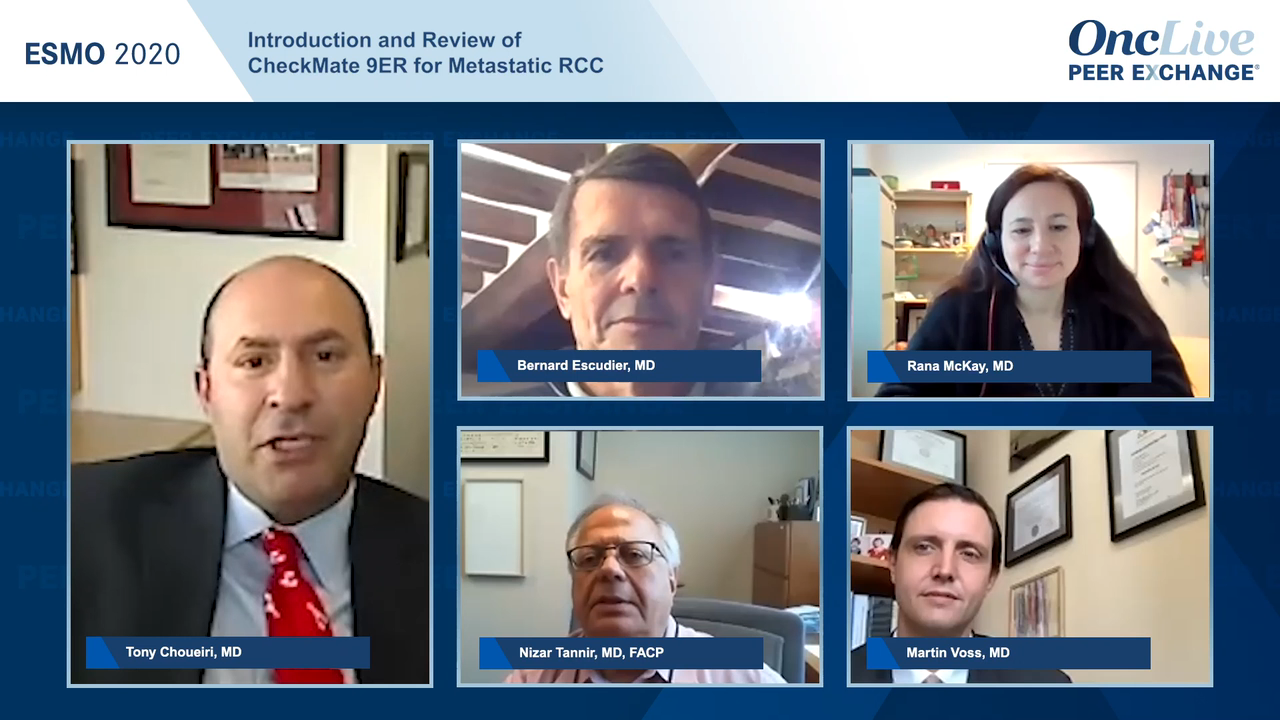
Toni Choueiri, MD, discusses the CheckMate-9ER trial, the next steps for nivolumab/cabozantinib, and other cabozantinib regimens under exploration.

Scott Tykodi, MD, PhD, discusses the FRACTION-RCC study and other novel combinations under exploration for heavily pretreated patients with advanced renal cell carcinoma.

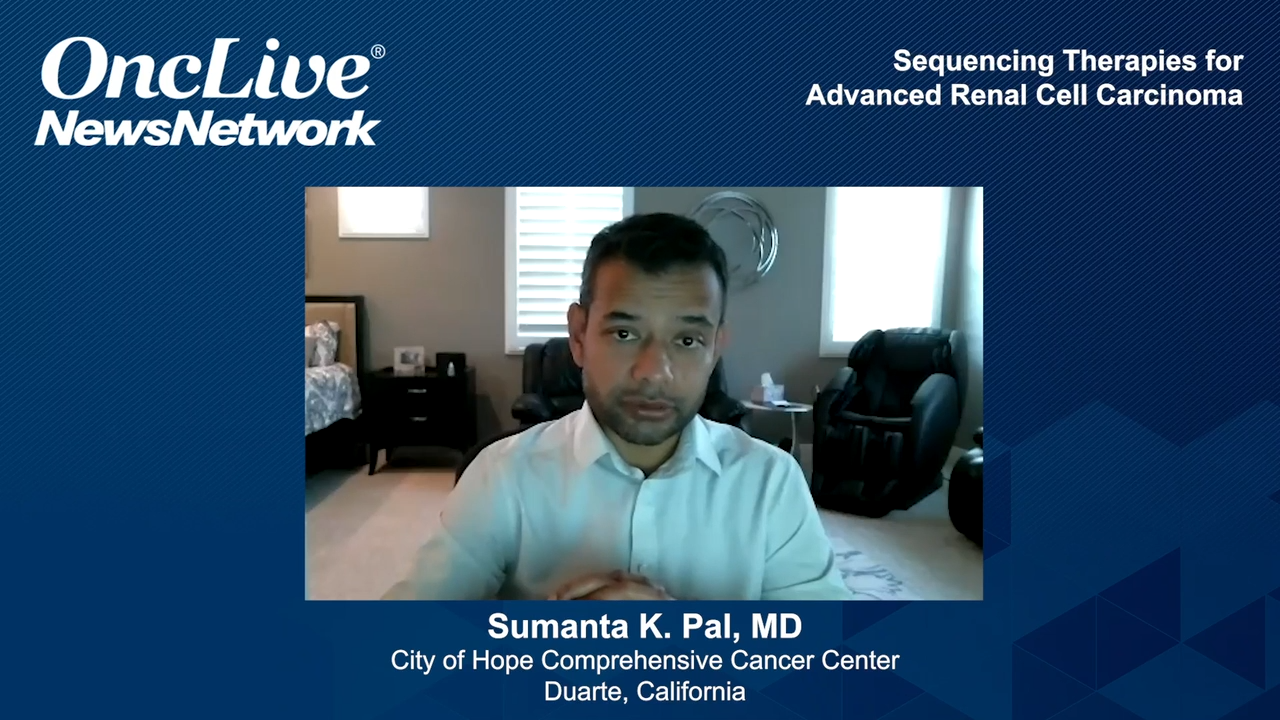
Sumanta K. Pal, MD, discusses the safety profile of cabozantinib in combination with atezolizumab in advanced renal cell carcinoma.

Manish A. Shah, MD, discusses the rationale for the phase 3 KEYNOTE-590 trial in locally advanced or metastatic esophageal carcinoma.

Adjuvant nivolumab was found to result in a significant improvement in disease-free survival compared with placebo in patients with high-risk muscle-invasive urothelial carcinoma, including those whose tumors expressed PD-L1 of 1% or higher, meeting the primary end points of the phase 3 CheckMate-274 trial.

Despite the numerous reports detailing racial differences in cancer outcomes and care over the years, the reasons underlying these disparities continue to be under deep exploration.
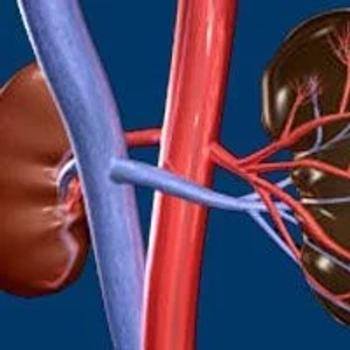
Findings from the noncomparative, phase 2, biomarker-driven BIONIKK trial demonstrated clinical evidence to support the use of molecularly-directed frontline therapy as means to enrich responses in patients with metastatic clear cell renal cell carcinoma.

Treatment with cabozantinib in combination with atezolizumab demonstrated promising clinical activity in patients with advanced clear cell renal cell carcinoma.

Long-term follow-up of patients with locally advanced or metastatic urothelial carcinoma treated with enfortumab vedotin monotherapy showed encouraging results, with half of patients still alive at 12 months and approximately one-third alive at 18 months.

Sacituzumab Govitecan Shows Sustained Activity in Heavily Pretreated Metastatic Urothelial Carcinoma
Sacituzumab govitecan-hziy continued to showcase significant activity with favorable tolerability in heavily pretreated patients with metastatic urothelial carcinoma who progressed on both platinum-based chemotherapy and checkpoint inhibition.

Neither monotherapy with durvalumab or combination treatment with durvalumab plus tremelimumab met co-primary end points of overall survival vs chemotherapy for the treatment of metastatic urothelial cancer.
The benefits conferred by the combination of nivolumab and ipilimumab for the first-line treatment of advanced renal cell carcinoma remained durable after 4-year follow-up compared with treatment with sunitinib.
The combination of nivolumab and cabozantinib led to a 49% reduction in the risk of disease progression or death, while also significantly improving overall survival and doubling objective response rate, compared with sunitinib in the first-line treatment of patients with advanced renal cell carcinoma.

Frontline maintenance treatment with avelumab plus best supportive care improved both progression-free and overall survival compared with BSC alone across prespecified subgroups of patients with advanced or metastatic urothelial carcinoma that has not progressed on first-line platinum-based chemotherapy.

Despite observed responses, induction therapy with avelumab prior to standard of care gemcitabine/carboplatin fails to sustain clinically meaningful efficacy and is not an adequate strategy for the first-line treatment for patients with metastatic urothelial carcinoma.

The investigational PD-L1 inhibitor BGB-A333 in combination with the PD-1 inhibitor tislelizumab demonstrated marked antitumor activity, durable clinical responses, and a tolerable safety profile in patients with urothelial carcinoma.
Advertisement
Advertisement
Trending on OncLive
1
Savolitinib Plus Osimertinib NDA Submitted to FDA for MET-Driven, EGFR-Mutated NSCLC After EGFR TKI
2
Calculating the Real Cost of False Positive Findings in Cancer Screening
3
FDA Grants Priority Review to Elinzanetant for Endocrine Therapy–Associated Vasomotor Symptoms in HR+ Breast Cancer
4
Cilta-Cel Shows Long-Term Treatment-Free Remissions in Lenalidomide-Refractory Myeloma
5