




Genitourinary Cancers
Latest News
Advertisement
Latest Videos

















































Advertisement
More News

Adding avelumab to best supportive care improved the median overall survival by over 7 months in patients with locally advanced or metastatic urothelial carcinoma, according to findings from the phase 3 JAVELIN Bladder 100 study.

Thomas Powles, MD, MBBS, MRCP, discusses the utility of maintenance avelumab in the phase 3 JAVELIN Bladder 100 study in advanced urothelial carcinoma.
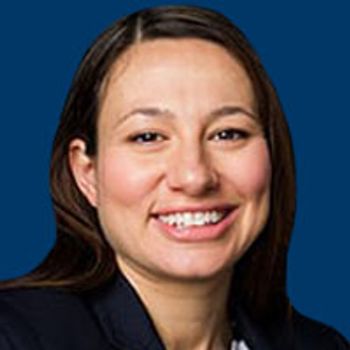
Rana R. McKay, MD, sheds light on the impact of age and gender on the outcomes of patients with RCC, the implications of clinical determinants on toxicity, and where future research efforts will focus.
Rana R. McKay, MD, sheds light on the impact of age and gender on the outcomes of patients with RCC, the implications of clinical determinants on toxicity, and where future research efforts will focus.

Ahead of the 2020 ASCO Virtual Scientific Program, we spoke with a handful of leading oncologists in breast cancer, lung cancer, gastrointestinal cancers, genitourinary cancers, and hematologic malignancies to gain their perspectives on the most significant studies in their respective specialties.
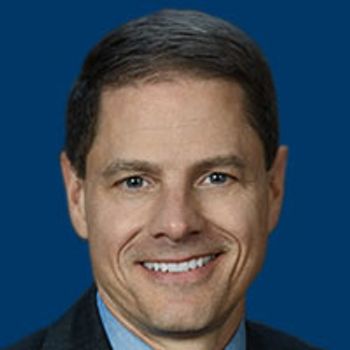
Brian I. Rini, MD, speaks about the TIVO-3 trial and how its results could provide patients with another “weapon in this disease.”

Vivek Subbiah, MD, discusses the utility of tivozanib in renal cell carcinoma.
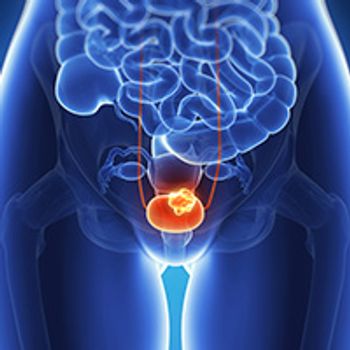
Low-intensity surveillance may be comparable to high-intensity surveillance for cancer control in patients with high-risk non-muscle invasive bladder cancer.
Patients who had low-intensity cystoscopy surveillance underwent fewer transurethral resections but did not experience an increased risk of progression or bladder cancer death compared with those who had high-intensity surveillance.
Che-Kai Tsao, MD, shares strategies to improve outcomes in renal cell carcinoma.
Che-Kai Tsao, MD, shares strategies to improve outcomes in renal cell carcinoma.

Gopa Iyer, MD, discusses treatment-related adverse events (TRAEs) with erdafitinib (Balversa) in urothelial cancer.
John P. Sfakianos, MD, discusses the importance of restaging transurethral resection of bladder tumors.
John P. Sfakianos, MD, discusses the importance of restaging transurethral resection of bladder tumors.
Toni K. Choueiri, MD, discusses the findings from the phase 1/2 trial, the clinical implications of targeting HIF-2α in kidney cancer, and the potential utility of MK-6482 in clear cell RCC.
Toni K. Choueiri, MD, discusses the findings from the phase 1/2 trial, the clinical implications of targeting HIF-2α in kidney cancer, and the potential utility of MK-6482 in clear cell RCC.

Chung-Han Lee, MD, PhD, discusses second-line treatment options in renal cell carcinoma.

Thomas Powles, MD, MBBS, MRCP, director, Barts Cancer Institute, discusses the 42-month follow-up data from the phase 3 CheckMate-214 trial in advanced renal cell carcinoma (RCC).
Daniel P. Petrylak, MD, professor of medicine and urology, co-leader, Cancer Signaling Networks, Yale Cancer Center, and 2017 Giant of Cancer Care® in Genitourinary Cancers, discusses the results of the phase 1b/2 EV-103 trial in bladder cancer.
Nizar M. Tannir, MD, FACP, discusses the 42-month follow-up results from the CheckMate-214 trial in advanced renal cell carcinoma and provides perspective on other approved combinations in the frontline setting.
Although fewer patients are undergoing cytoreductive nephrectomy as systemic treatments for renal cell carcinoma improve, the modality still has a vital role to play in the treatment paradigm—even in the modern age of immune checkpoint inhibitors.

Petros Grivas, MD, PhD, discusses the future of molecular subtyping in urothelial cancer.

Although the standard of care for muscle-invasive bladder cancer is well established, not enough patients are being treated with curative intent.
Nivolumab combined with cabozantinib improved overall survival and progression-free survival compared with sunitinib in patients with previously untreated advanced renal cell carcinoma.

Guru P. Sonpavde, MD sheds light on how the COVID-19 pandemic has impacted treatment decisions for patients with bladder cancer, perioperative surgical concerns for patients at risk of COVID-19, and the preventative measures Dana-Farber Cancer Institute has put into place to reduce the risk of patients and providers contracting the virus.
Advertisement
Advertisement
Trending on OncLive
1
Savolitinib Plus Osimertinib NDA Submitted to FDA for MET-Driven, EGFR-Mutated NSCLC After EGFR TKI
2
Calculating the Real Cost of False Positive Findings in Cancer Screening
3
FDA Grants Priority Review to Elinzanetant for Endocrine Therapy–Associated Vasomotor Symptoms in HR+ Breast Cancer
4
Cilta-Cel Shows Long-Term Treatment-Free Remissions in Lenalidomide-Refractory Myeloma
5