



Genitourinary Cancers
Latest News
Advertisement
Latest Videos


























































Advertisement
More News

A 14-mg dose of lenvatinib showed similar safety to the standard 18-mg dose of the agent, when used in combination with everolimus in the second-line treatment of patients with advanced renal cell carcinoma, but noninferiority could not be confirmed.

Recent research for effective therapies designed to target von Hippel-Lindau disease–associated renal cell carcinoma is pointing to a future with the paradigm that comprises immunotherapy, HIF-2α inhibitors, and potentially CDK4/6 inhibitors.

Combination regimens comprised of immunotherapy and TKI inhibitors have yielded significant benefits in terms of overall survival and progression-free survival with acceptable safety in patients with renal cell carcinoma; however, the cost of these regimens may negate the impact of these advances.

Bradley McGregor, MD, discusses the potential utility of the combination of cabozantinib and nivolumab in advanced renal cell carcinoma (RCC).
Toni K. Choueiri, MD, discusses the rationale for the phase 3 COSMIC-313 trial in advanced renal cell carcinoma.

The combination of lenvatinib plus pembrolizumab demonstrated encouraging antitumor activity in patients with metastatic clear cell renal cell carcinoma who had progressed on prior PD-1 or PD-L1 immune checkpoint inhibitor therapy.

Brian I. Rini, MD, discusses choosing between combinations of dual immunotherapy and immunotherapy/VEGF TKIs in metastatic renal cell carcinoma.
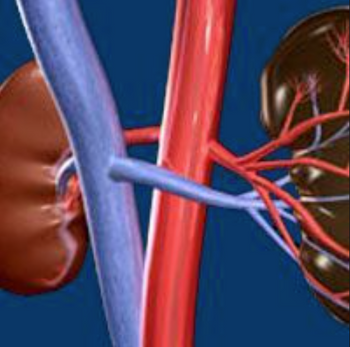
The first-line combination of lenvatinib and everolimus elicited clinical activity in patients with advanced non-clear cell renal cell carcinoma.
Toni K. Choueiri, MD, discusses key findings from the CheckMate-9ER trial in advanced RCC, as well as ongoing trials with the potential to shift the paradigm even further.

Ramaprasad Srinivasan, MD, PhD, discusses the challenges of developing new therapies to treat patients with rare renal cell carcinoma subtypes.
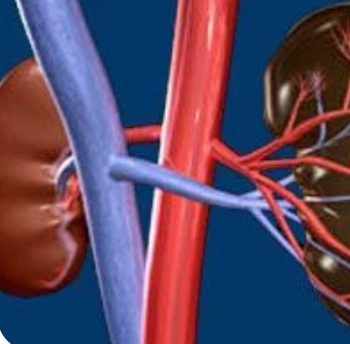
The 2020 Kidney Cancer Research Summit (KidneyCAN) featured several healthcare experts who highlighted the latest clinical developments, critical preclinical efforts, and translational research being performed to move the needle forward in the field of kidney cancer.

TROPHY U-01 cohort 1 is a phase 2 open-label study of sacituzumab govitecan in patients with metastatic urothelial cancer and disease progression after both platinum-based regimens and checkpoint inhibitors.

Elizabeth Petri Henske, MD, discusses the potential role of glutathione in chromophobe renal cell carcinoma.

Hans Hammers, MD, PhD, discusses investigational strategies that are being used to inflame tumors in renal cell carcinoma.

A supplemental application was submitted to the Japanese Ministry of Health, Labour, and Welfare for Manufacturing and Marketing approval of the combination of cabozantinib plus nivolumab for the treatment of patients with unresectable, advanced, or metastatic renal cell carcinoma.

Kidney cancer experts emphasize the importance of risk stratification for guiding treatment decisions and discussed the clinical trials that have shaped the frontline treatment recommendations from the National Comprehensive Cancer Network for advanced clear cell RCC.
Advertisement
Advertisement
Trending on OncLive
1
Savolitinib Plus Osimertinib NDA Submitted to FDA for MET-Driven, EGFR-Mutated NSCLC After EGFR TKI
2
Calculating the Real Cost of False Positive Findings in Cancer Screening
3
FDA Grants Priority Review to Elinzanetant for Endocrine Therapy–Associated Vasomotor Symptoms in HR+ Breast Cancer
4
Cilta-Cel Shows Long-Term Treatment-Free Remissions in Lenalidomide-Refractory Myeloma
5