




Gynecologic Oncology
Latest News

Advertisement
Latest Videos



































































Advertisement
More News

Abdulrahman Sinno, MD, discusses the shift in focus to molecular characteristics of endometrial cancer.

Exploration continues for the use of immunotherapy in patients with mismatch repair–proficient endometrial cancer.

Christian Marth, MD, PhD, discusses next steps with pembrolizumab and lenvatinib for use in the advanced or recurrent endometrial cancer treatment paradigm.

Christian Marth, MD, PhD, discusses outcomes for key subgroups treated with first-line pembrolizumab and lenvatinib in advanced or recurrent endometrial cancer.

Amin Nassar, MD, discusses the investigation of NGS plus standard IHC to detect dMMR status in patients with colorectal cancer or endometrial cancer.

Experts from across the oncology field highlight their biggest takeaways and the hottest topics from the 2024 AACR Annual Meeting.
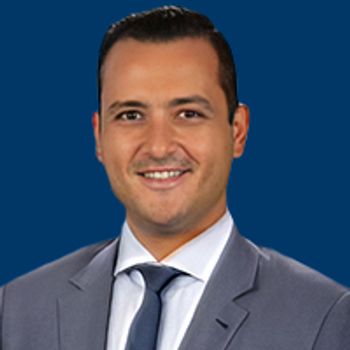
Abdulrahman Sinno, MD, discusses the paradigm shift from a histology-based to molecular-based understanding of endometrial cancer and its impact on treatment outcomes.

Mirvetuximab soravtansine plus pembrolizumab displays efficacy in recurrent or persistent, FRalpha-positive, pMMR/MSS serous endometrial cancer.

Rebecca L. Porter, MD, PhD, discusses the evaluation of mirvetuximab soravtansine plus pembrolizumab in FRα-positive, pMMR/MSS endometrial cancer.
Christian Marth, MD, PhD, discusses efficacy and safety findings from the phase 3 LEAP-001 trial in advanced/recurrent endometrial cancer.

The new drug application for sintilimab plus fruquintinib has been granted priority review by the NMPA for pMMR/non-MSI-H advanced endometrial cancer.

The incorporation of immune checkpoint inhibitors has altered the treatment paradigm for endometrial cancer.

Dmitriy Zamarin, MD, PhD, highlights key changes and ongoing research across the endometrial, ovarian, and cervical cancer realms.

Avutometinib plus defactinib led to tumor regression in most heavily pretreated patients with recurrent low-grade serous ovarian cancer.

Jay Spiegel, MD, discusses advancing cellular therapies and challenges in gynecologic cancer treatment.

Treatment with XPO1 inhibitors could be effective and warrants further investigation in low-grade serous and clear cell ovarian cancer.
A phase 1b trial is investigating the novel GCN2 kinase activator NXP800 in patients with platinum-resistant, ARID1A-mutated ovarian cancer.

Durvalumab plus carboplatin and paclitaxel, followed by maintenance durvalumab with or without olaparib, showed improved efficacy vs chemotherapy alone in endometrial cancer.

Lenvatinib plus pembrolizumab did not best chemotherapy in pMMR endometrial cancer, but did offer a survival benefit in some subgroups of patients.

From key sessions at the 2024 SGO Annual Meeting to updates in the field, gynecologic oncology experts share their key takeaways from the meeting.

ChatGPT may provide comprehensive and correct answers to genetic counseling questions for patients with gynecologic cancers.

Black patients with endometrioid endometrial carcinoma experienced an increased risk of death and lower enrollment in clinical trials vs White patients.

Leslie M. Randall, MD, MAS, discusses patient-reported outcomes from the ENGOT-cx11/GOG 3047/KEYNOTE-A18 trial in locally advanced cervical cancer.

Patients with perivascular epithelioid sarcoma of gynecologic or peritoneal origin experienced durable responses when treated with nab-sirolimus.

The activity of nab-sirolimus plus letrozole is under study in patients with advanced or recurrent endometrioid endometrial cancer.
Advertisement
Advertisement
Trending on OncLive
1
The OncFive: Top Oncology Articles for the Week of 10/4/2026
2
FDA Approves Atezolizumab Plus Chemo for Stage III dMMR Colon Cancer
3
FDA Grants Breakthrough Device Designation to Natera’s Multi-Cancer Early Detection Assay
4
FDA Flashback: Hematologic Cancer Decisions and News From September 2026
5