


Hepatocellular Carcinoma
Latest News

Advertisement
Latest Videos





































































Advertisement
More News
Clinical outcomes did not significantly differ with atezolizumab plus bevacizumab vs tremelimumab and durvalumab in treatment-naive, unresectable HCC.
A recap of the top data presented at the 2025 Gastrointestinal Cancers Symposium.
Nivolumab plus ipilimumab produced a statistically significant and clinically meaningful OS benefit vs SOC in systemic therapy–naive unresectable HCC.

The FDA has granted orphan drug designation for the treatment of patients with hepatocellular carcinoma.

Aparna Parikh, MD, discusses the first-line treatment field for patients with hepatocellular carcinoma, highlighting notable immunotherapy options.

China's NMPA has accepted a sNDA for penpulimab plus anlotinib for the first-line treatment of advanced hepatocellular carcinoma.

Alan P. Venook, MD, highlights notable NCCN guideline updates in HCC, considerations for implementing the changes in the clinic, and next steps in HCC.

James J. Harding, MD, discusses how immunotherapy could play a role in earlier stages in hepatocellular carcinoma.

The Nectin-4/CD137 Bicycle–targeted immune cell agonist BT7480 had antitumor activity in patients with Nectin-4– and CD137-expressing tumors.

The FDA has accepted the new drug application resubmission for the first-line combination of rivoceranib plus camrelizumab in unresectable HCC.

An NDA seeking the approval of camrelizumab plus rivoceranib for the frontline treatment of patients with unresectable HCC has been resubmitted to the FDA.

Tremelimumab plus durvalumab sustained an overall survival improvement in unresectable hepatocellular carcinoma.

Lenvatinib, pembrolizumab, and TACE improved progression-free survival in patients with intermediate-stage hepatocellular carcinoma.
The FDA has approved subcutaneous atezolizumab for use in all indications as the intravenous formulation.
Anthony B. El-Khoueiry, MD, discusses immune suppression in advanced hepatocellular carcinoma post-checkpoint inhibitor therapy.

Atezolizumab plus bevacizumab showed efficacy in patients with hepatocellular carcinoma who had Child-Pugh B7 liver function.
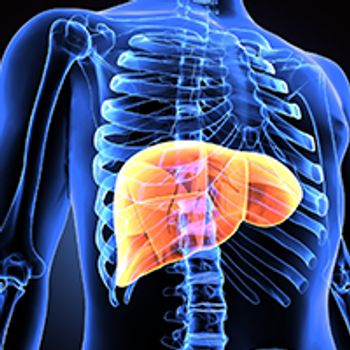
CIRT plus durvalumab and tremelimumab was safe in patients with advanced hepatocellular carcinoma with macrovascular invasion.

The EMA has granted orphan medicinal product designation to rivoceranib plus camrelizumab in first-line unresectable hepatocellular carcinoma.

Eileen M. O’Reilly, MD, and Tanios S. Bekaii-Saab, MD, FACP, discuss key topics in gastrointestinal cancer to be presented during the 2024 ISGIO Meeting.

Joseph Franses, MD, PhD, discusses the need for more prospective data in the second-line setting and beyond for patients with hepatocellular carcinoma.
Joseph Franses, MD, PhD, discusses treatment considerations for hepatocellular carcinoma that progresses after first-line therapy.

Tanios S. Bekaii-Saab, MD, FACP, details data from the ESOPEC trial in early-stage gastroesophageal cancers, and findings from Checkmate-9DW in HCC.

EMA Validates Application for Nivolumab Plus Ipilimumab in Frontline HCC
Published: | Updated:
The type II variation application for frontline nivolumab plus ipilimumab in unresectable/advanced hepatocellular carcinoma was validated by the EMA.

The National Medical Products Administration accepted for review the supplemental new drug application for toripalimab plus bevacizumab in advanced HCC.
Elevar Therapeutics plans to resubmit a new drug application for rivoceranib plus camrelizumab for first-line unresectable hepatocellular carcinoma.
Advertisement
Advertisement
Trending on OncLive
1
FDA Approves Tucatinib Plus Trastuzumab/Pertuzumab as First-Line Maintenance in Advanced HER2+ Breast Cancer
2
VIR-5500 Receives FDA Fast Track Designation in mCRPC
3
Iberdomide Plus Daratumumab/Dexamethasone Yields Significant PFS Benefit in R/R Myeloma
4
FDA Approves Atezolizumab Plus Chemo for Stage III dMMR Colon Cancer
5