


Immuno-Oncology
Latest News


NGS-Based xT CDx Test Is Now Commercially Available in United States for Solid Tumor Profiling
By Chris Ryan

Nivolumab Plus Gemcitabine/Cisplatin Shows Favorable OS/PFS Trend in Asian Unresectable/Metastatic Urothelial Cancer Subpopulation
By Ashley Chan
Advertisement
Video Series





Latest Videos








































































Advertisement
More News

Erica L. Mayer, MD, MPH, responses with preoperative niraparib plus dostarlimab in patients with BRCA-mutant, ER-positive, HER2-negative breast cancer.

The FDA has granted orphan drug designation for the treatment of patients with hepatocellular carcinoma.

Durvalumab plus vaccine therapy demonstrated evidence of preliminary antitumor activity without substantial additive toxicity in BCG-unresponsive NMIBC.
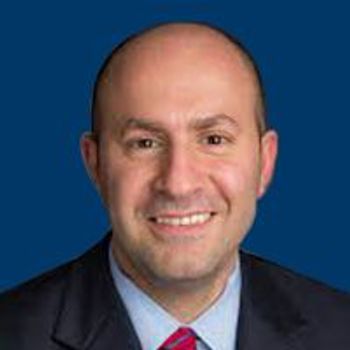
Toni Choueiri, MD, details the PFS outcomes and safety profiles for tivozanib plus nivolumab vs tivozanib alone in metastatic renal cell carcinoma

Sheela Rao, MBBS, MD, FRCP, discusses data from the phase 3 POD1UM-303/InterAACT 2 trial of retifanlimab plus chemotherapy vs chemotherapy in advanced SCAC.

Alexis LeVee, MD, discusses immune-related adverse effects in patients with early breast cancer treated with immune checkpoint inhibitors.

First-line paromlimab/tuvonralimab plus chemotherapy with or without bevacizumab was active in recurrent/metastatic cervical cancer.

This week’s top 5 includes a snapshot of FDA approvals from December, an exclusive roundup of critical NCCN guideline updates from 2024, and more.

BMS-986253 plus nivolumab/ipilimumab failed to improve responses or PFS in advanced melanoma after progression on or after a checkpoint inhibitor.

Tremelimumab plus paclitaxel induced responses in metastatic urothelial cancer after progression on platinum and an immune checkpoint inhibitor.
Here is your snapshot of all therapeutic options greenlit by the FDA in December 2024 spanning tumor types.
Trastuzumab deruxtecan plus pembrolizumab showed early efficacy in patients with IO-naive, HER2-expressing or -mutant non–small cell lung cancer.
Nivolumab plus ipilimumab has been approved in Europe for the frontline treatment of adult patients with MSI-H or dMMR metastatic colorectal cancer.

CheckMate 73L missed its primary end point of PFS in advanced unresectable stage III non–small cell lung cancer.

The neoadjuvant/adjuvant pembrolizumab and chemotherapy combination was approved by the FDA in October 2023 for use in this patient population.
The FDA has approved cosibelimab-ipdl for the treatment of adults with metastatic or locally advanced cutaneous squamous cell carcinoma who are not candidates for curative surgery or radiation.

Pembrolizumab plus chemotherapy, followed by olaparib with or without bevacizumab, improved PFS in advanced ovarian cancer.

FS118, an investigational LAG-3/PD-L1 bispecific antibody, demonstrated an encouraging objective response rate in the relapsed/refractory DLBCL setting.

Monica H. Vetter, MD, discusses the integration of immunotherapy into chemotherapy regimens for frontline advanced endometrial cancer.
In case you missed any, read a recap of every episode of OncLive On Air that aired in November 2024.

Nataliya Uboha, MD, PhD, and Robert Albert Anders, MD, PhD, unpack the unfavorable risk-benefit profile of PD-1 inhibitors in patients with certain PD-L1–negative gastrointestinal cancers and discussions from a recent ODAC meeting.
Zanidatamab scores approval for HER2+ biliary tract cancer, Versamune HPV is under exploration in HPV16+ head and neck squamous cell carcinoma, and more.

Experts discuss the ongoing investigation of Versamune HPV plus pembrolizumab and its potential effect on outcomes in first-line HPV16-driven HNSCC.
New datopotamab deruxtecan BLA in NSCLC filed to FDA, radiopharmaceutical meets rPFS end point in PSMA+ prostate cancer, and more.

Alex F. Herrera, MD, discusses long-term data from nivolumab plus AVD in advanced-stage Hodgkin lymphoma.
Advertisement
Advertisement
Trending on OncLive
1
FDA Approves Tucatinib Plus Trastuzumab/Pertuzumab as First-Line Maintenance in Advanced HER2+ Breast Cancer
2
VIR-5500 Receives FDA Fast Track Designation in mCRPC
3
Iberdomide Plus Daratumumab/Dexamethasone Yields Significant PFS Benefit in R/R Myeloma
4
FDA Approves Atezolizumab Plus Chemo for Stage III dMMR Colon Cancer
5