

Melanoma & Skin Cancer
Latest News
Advertisement
Latest Videos




































































Advertisement
More News
November 12, 2020 — Pembrolizumab led to a 38% central nervous system response rate and was well tolerated in patients with leptomeningeal metastasis from solid tumors. However, the study was closed early due to poor accrual.
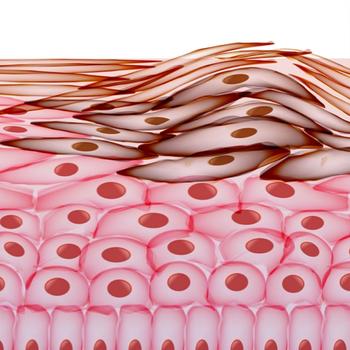
November 12, 2020 - The investigational PD-L1 inhibitor cosibelimab demonstrated durable and robust responses in patients with non–small cell lung cancer and cutaneous squamous cell carcinoma.
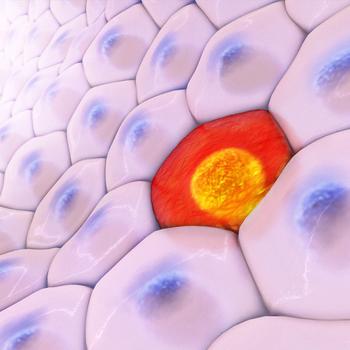
November 12, 2020 - The combination of CMP-001 intratumoral injection and pembrolizumab was found to reverse PD-1 blockade resistance and elicit durable systemic responses in patients with advanced melanoma.
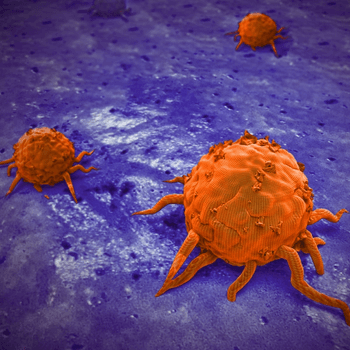
November 12, 2020 - Cemiplimab demonstrated clinically meaningful antitumor activity, including durable responses, and acceptable safety in patients with metastatic basal cell carcinoma after progression on or intolerance to hedgehog inhibitors
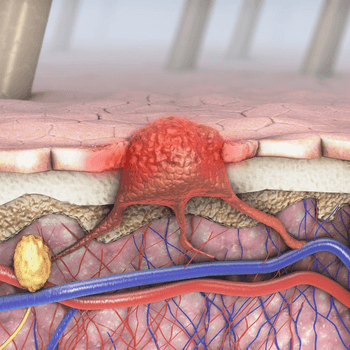
November 12, 2020 - In an effort to further improve outcomes without sacrificing tolerability, the combination of cabozantinib with pembrolizumab is being evaluated in patients with advanced melanoma in a phase 1b/2 study.
Jeffrey S. Weber, MD, PhD, discusses the evolution of the treatment paradigm in melanoma.

There is still a great deal to learn about the optimal use of BRAF-targeted therapy, as well as immunotherapy, in the adjuvant setting for patients with melanoma.

Douglas B. Johnson, MD, MSCI, discusses his research examining the impact of body composition on outcomes from anti–PD-1 with or without anti–CTLA-4 therapies in melanoma and other biomarkers under exploration.

Jason J. Luke, MD, FACP, discusses the role of targeted therapy in melanoma.

Unprecedented treatment advances have been made during the last decade for patients with advanced melanoma.

Geoffrey T. Gibney, MD, discusses selecting between BRAF inhibitor regimens in melanoma.
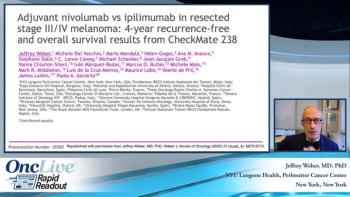

With an estimated 5-year survival rate of 50% and an ongoing issue of resistance, next steps with immunotherapy in melanoma will focus on stratifying patients, personalizing therapy, and refining localized regimens.

The addition of anti–PD-1/PD-L1 to combination BRAF and MEK inhibition has been shown to improve progression-free survival and duration of response in patients with BRAF-mutated melanoma, suggesting potential to overcome resistance to targeted approaches.

Jason J. Luke, MD, discusses the recent advancements with BRAF-targeted therapies and PD-1 checkpoint inhibitors in melanoma.
Jason J. Luke, MD, FACP, discusses the importance of BRAF in melanoma.

Jeffrey S. Weber, MD, PhD, discusses the results of the phase 3 COMBI-AD trial with dabrafenib plus trametinib in patients with resected, stage III BRAF V600E/K–mutant melanoma.

sFRP2-mediated angiogenesis offset decreased VEGF-mediated angiogenesis in older patients with cutaneous melanoma compared with younger patients, leading to poorer disease-free survival and overall survival with adjuvant bevacizumab.

After 15 years as a surgeon, Jeffrey M. Farma, MD, says he's still learning how to treat patients with cancer. As fellowship director of the Complex General Surgical Oncology Fellowship at Fox Chase Cancer Center, he expects his trainees to be prepared to do the same.
An ongoing, collaborative clinical trial has been expanded to evaluate the investigational protein kinase C inhibitor IDE196 in combination with the multikinase inhibitor crizotinib (Xalkori) for patients with GNAQ- or GNA11-mutated solid tumors, including metastatic uveal melanoma , skin melanoma, lung cancer, and colorectal cancer.
Advertisement
Advertisement
Trending on OncLive
1
FDA Approves Atezolizumab Plus Chemo for Stage III dMMR Colon Cancer
2
VIR-5500 Receives FDA Fast Track Designation in mCRPC
3
China’s NMPA Approves Adjuvant T-DXd for HER2+ Early Breast Cancer With Residual Invasive Disease
4
Individualized Neoantigen Vaccine Elicits Durable T-Cell Responses in Resected HPV– HNSCC
5