



Melanoma & Skin Cancer
Latest News
Advertisement
Latest Videos





























































Advertisement
More News



Jeffrey S. Weber, MD, PhD, discusses unmet needs in melanoma.
Hussein A. Tawbi, MD, PhD, discusses future research efforts in melanoma.
In our exclusive interview, Caroline Robert, MD, PhD, discusses her groundbreaking work on clinical trials evaluating anti–CTLA-4 and anti–PD-1 antibodies in advanced melanoma, her experiences as a researcher in France and the United States, her love of traveling, and next steps for the field.

December 4, 2020 — Adjuvant nivolumab demonstrated clinically meaningful improvements in relapse-free survival, overall survival, and distant metastasis-free survival vs placebo in patients with high-risk resected melanoma, even after accounting for disease stage and post-recurrence survival, supporting the use of the anti–PD-1 antibody as a standard adjuvant therapy.

Jason J. Luke, MD, FACP discusses the role of precision medicine and how it continues to lead the way in all areas of oncology, but especially in melanoma.

Suthee Rapisuwon, MD, discusses the frontline treatment of acral and mucosal melanoma.
Jeffrey S. Weber, MD, PhD, deputy director and co-director of the melanoma program, Laura and Isaac Perlmutter Professor of Oncology, Department of Medicine, NYU Langone Health’s Perlmutter Cancer Center, 2016 Giant of Cancer Care® in Melanoma, discusses the treatment of lactate dehydrogenase (LDH)–high melanoma.
Jason J. Luke, MD, FACP, discusses the role of molecular testing in melanoma.

November 24, 2020 - Until now, the field of cell-based immunotherapy has been dominated by chimeric antigen receptor (CAR) T cells, with groundbreaking FDA approvals for 3 drugs across several types of hematologic malignancies. In solid tumors, however, CAR T-cell therapies have yet to gain ground.
Ragini Kudchadkar, MD, discusses the durability of immunotherapy in non-melanoma skin cancers.
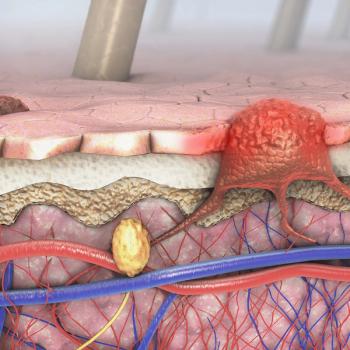
November 23, 2020 - Tebentafusp showed superiority in overall survival compared with investigator’s choice of therapy in patients with previously untreated metastatic uveal melanoma.

November 20, 2020 - Circulating tumor DNAhas been found to be a reliable indicator of outcomes to treatment with frontline immune checkpoint inhibitors in patients with metastatic melanoma, but not in the second-line setting.

The emergence of immunotherapy in the melanoma treatment landscape has shifted the management of the disease; however, no strategies are in place to appropriately stratify patients for these potentially life-saving agents.

November 19, 2020 - A computational method comprised of clinicodemographic variables with deep learning of pretreatment histology images may be able to effectively predict response to immunotherapy in patients with advanced melanoma.
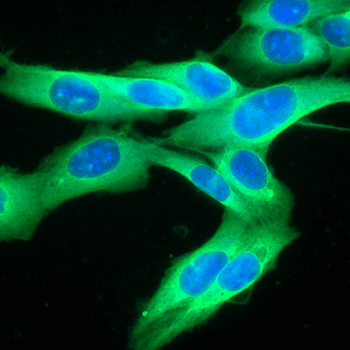
November 14, 2020 – Treatment with the novel intratumoral immuotherapy agent PVSRIPO resulted in an overall response rate of 33% among all patients with anti–PD-1 refractory melanoma.
Advertisement
Advertisement
Trending on OncLive
1
FDA Approves Atezolizumab Plus Chemo for Stage III dMMR Colon Cancer
2
VIR-5500 Receives FDA Fast Track Designation in mCRPC
3
China’s NMPA Approves Adjuvant T-DXd for HER2+ Early Breast Cancer With Residual Invasive Disease
4
Individualized Neoantigen Vaccine Elicits Durable T-Cell Responses in Resected HPV– HNSCC
5