
Melanoma & Skin Cancer
Latest News
Advertisement
Latest Videos































































Advertisement
More News
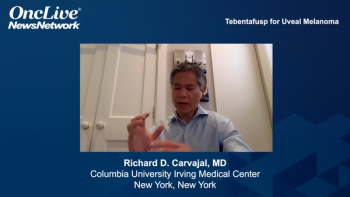
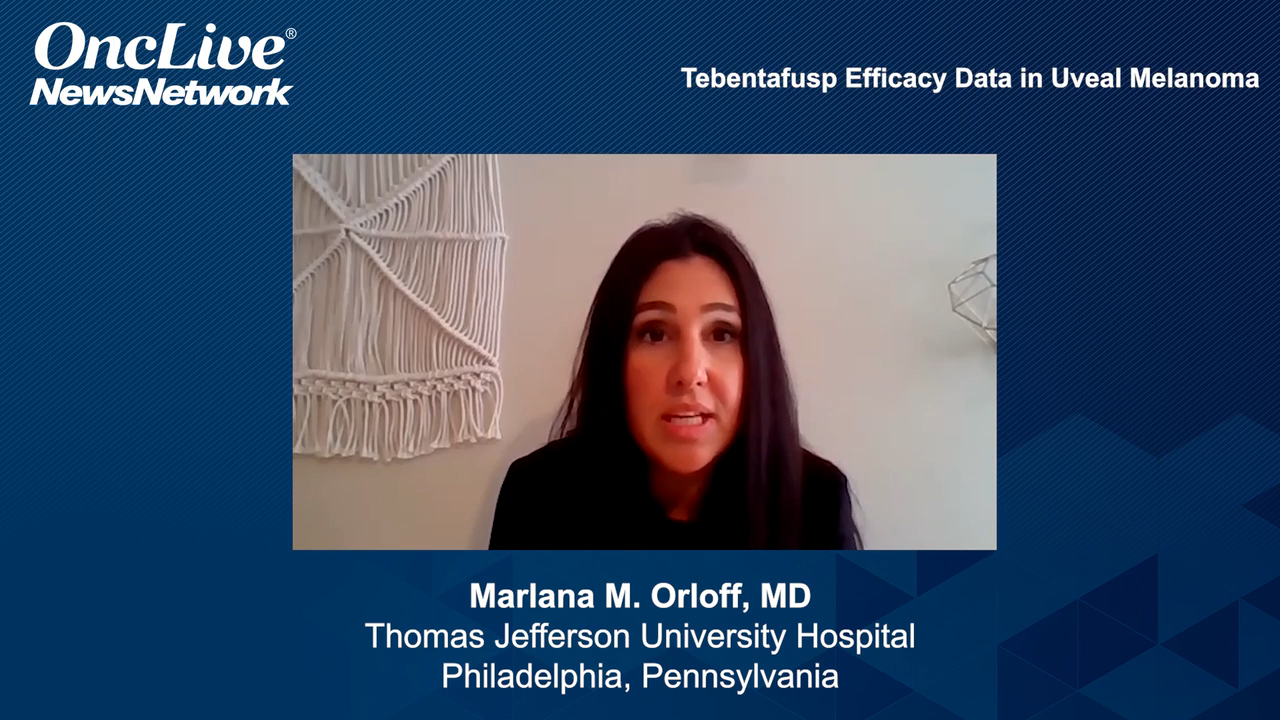
Drs Richard D. Carvajal and Marlana M. Orloff comment on tebentafusp’s mechanism of action (MOA) and explain what makes the therapy attractive for uveal melanoma.

A brief explanation regarding the difference between uveal melanoma and skin melanoma and an overview of standard treatment approaches used to treat patients with uveal melanoma.
The FDA has granted an orphan drug designation to alrizomadlin as a potential therapeutic option for patients with stage IIB-IV melanoma.
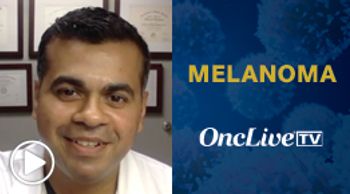
Sajeve Samuel Thomas, MD, discusses the safety profile of lifileucel plus pembrolizumab in advanced melanoma.
The combination of bempegaldesleukin plus nivolumab continued to produce promising antitumor activity with favorable tolerability when used in the frontline treatment of patients with metastatic melanoma, according to findings from a phase 2 cohort of the phase 1/2 PIVOT-2 trial.
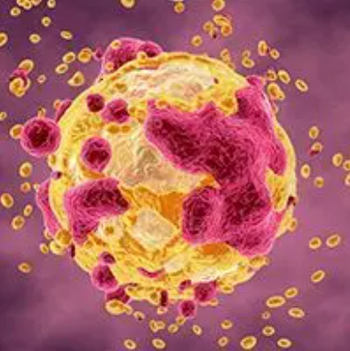
The combination of belapectin plus pembrolizumab has demonstrated early potential for disease control with acceptable tolerability in patients with metastatic melanoma and head and neck cancer.

The FDA has expanded the label for pembrolizumab for use as a monotherapy in the treatment of patients with locally advanced cutaneous squamous cell carcinoma that is not curable by surgery or radiation.

The European Commission has granted approval to cemiplimab for the treatment of patients with locally advanced or metastatic non–small cell lung cancer whose tumor cells have at least 50% PD-L1 expression and no EGFR, ALK, or ROS1 aberrations and are ineligible for definitive chemoradiation.
Hussein A. Tawbi, MD, PhD, discusses the safety profile of relatlimab plus nivolumab in advanced melanoma.

James A. DeCaprio, MD, discusses the incidence of Merkel cell carcinoma, risk factors for the disease, established treatment options, and investigational regimens on the horizon.
Dr. Patel discusses the significance of the new collaboration between The University of Texas MD Anderson Cancer Center and TriSalus™ Life Sciences.
The addition of alrizomadlin to pembrolizumab yielded promising preliminary efficacy and was tolerable in patients with unresectable or metastatic melanoma or advanced solid tumors that have been resistant to immunotherapy agents.
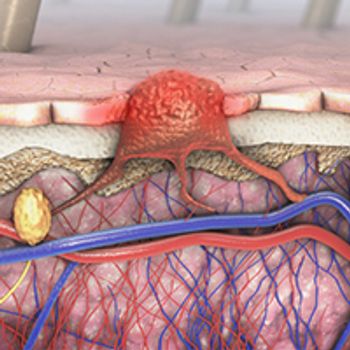
Lenvatinib and pembrolizumab continued to yield meaningful and durable responses in patients with advanced melanoma who had progressed on previous PD-L1 inhibitor treatment.

Lifileucel has demonstrated promising long-term responses in patients with heavily pretreated advanced or metastatic melanoma who have progressed following PD-1 and PD-L1 inhibition.

Nivolumab monotherapy, or in combination with ipilimumab, continued to demonstrate durable improvements in overall survival compared with ipilimumab alone in patients with previously untreated advanced melanoma.
Patients with stage III melanoma who progressed following placebo-based treatment in the first part of the phase 3 EORTC 1325/KEYNOTE-054 trial and crossed over to receive pembrolizumab post-recurrence derived a 38.8% overall response rate and a 32% overall 3-year progression-free survival rate.

Hussein A. Tawbi, MD, PhD, discusses the efficacy of relatlimab plus nivolumab in patients with advanced melanoma.

The addition of lifileucel to pembrolizumab resulted in an overall response rate of 85.7% compared with pembrolizumab alone in patients with immune checkpoint inhibitor–naïve advanced melanoma.

The anti–PD-L1, fully human monoclonal antibody cosibelimab will be examined in a cohort of patients with metastatic cutaneous squamous cell carcinoma as part of an ongoing phase 1 study.
Due to its rarity, there will likely never be a television advertisement for Merkel cell carcinoma. Yet, several opportunities to help raise awareness and conduct an array of clinical trials are building, due to the disease’s response to checkpoint blockade.
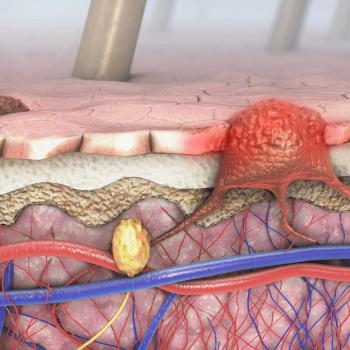
The safety and efficacy of the combination of vidutolimod and nivolumab is currently under investigation in patients with PD-1–refractory advanced melanoma.
Dr. Baumann sheds light on the incidence, prognosis, and treatment of patients with Merkel cell carcinoma, ongoing clinical research, and strategies to raise awareness for this rare disease.
Merkel cell carcinoma is a rare, highly aggressive skin tumor associated with the Merkel cell polyomavirus infection, which has been detected in nearly 80% of MCC diagnoses.

James A. DeCaprio, MD, discusses raising awareness in Merkel cell carcinoma.
Sandra P. D’Angelo, MD, discusses the incidence and prognosis of patients with Merkel cell carcinoma.
Advertisement
Advertisement
Trending on OncLive
1
FDA Approves Atezolizumab Plus Chemo for Stage III dMMR Colon Cancer
2
VIR-5500 Receives FDA Fast Track Designation in mCRPC
3
China’s NMPA Approves Adjuvant T-DXd for HER2+ Early Breast Cancer With Residual Invasive Disease
4
Individualized Neoantigen Vaccine Elicits Durable T-Cell Responses in Resected HPV– HNSCC
5