




























































Jean Wright, MD, discusses the evolution of radiation oncology in early-stage breast cancer and how novel radiation modalities are poised to transform the field.

Jean Wright, MD, discusses the evolution of radiation oncology in early-stage breast cancer and how novel radiation modalities are poised to transform the field.

Girish Putcha, MD, PhD, provides insight on the study results and highlights the advantages of using a multiomic, blood-based assay in colorectal cancer screening.
The FDA has granted a priority review designation to a new drug application for lurbinectedin as a treatment for patients with small cell lung cancer who have progressed following platinum-containing therapy.
David H. Ilson, MD, PhD, discusses the treatment landscape of advanced gastric cancer and the research being done to define a role for novel agents in this space.

Andrea Cercek, MD, shares insight on treatment selection, the importance of molecular testing, and unanswered questions with tumor sidedness in patients with newly diagnosed metastatic colorectal cancer.

Jasmeet C. Singh, MD, discusses the findings of a retrospective analysis and how they may impact treatment for patients with HER2-positive breast cancer.

Eileen O’Reilly, MD, reflects on the treatment advances that are expanding the pancreatic cancer paradigm.

The FDA has granted a priority review designation to a supplemental new drug application for tazemetostat for the treatment of patients with relapsed/refractory follicular lymphoma who have received at least 2 prior lines of systemic therapy.

Rush is the only Illinois hospital to receive this National Pancreatic Foundation designation.

The foremost choice in the treatment of patients with newly diagnosed multiple myeloma is determining whether a patient is eligible for transplant, as that choice will set the stage for all future decisions.
Yelena Janjigian, MD, highlights key updates from the 2020 Gastrointestinal Cancers Symposium and explained the impact that new data will have on clinical practice.
The FDA has granted a priority review designation to a new drug application for cedazuridine plus decitabine for the treatment of adult patients with previously untreated intermediate- and high-risk myelodysplastic syndromes or chronic myelomonocytic leukemia.

Saad Z. Usmani, MD, expands on some of the key principles to inform the treatment of patients with relapsed/refractory multiple myeloma.
Diane Simeone, MD, discusses recent data on neoadjuvant and adjuvant therapy for patients with locally advanced or resectable pancreatic cancer, and questions surrounding germline testing for earlier identification of this disease.

Oncology practices that are participating in the Centers for Medicare & Medicaid Innovation’s Oncology Care Model are willing to take on two-sided risk with value-based care and shift from a fee-for-service approach.

Treatment with a CD19-targeted CAR-natural killer–cell therapy led to a 73% objective response rate, including 7 complete responses, in patients with relapsed/refractory non-Hodgkin lymphoma and chronic lymphocytic leukemia.
The FDA has granted a priority review designation to a biologics license application for the anti-CD19 CAR T-cell therapy lisocabtagene maraleucel for the treatment of adult patients with relapsed/refractory large B-cell lymphoma after at least 2 prior therapies.
The FDA has granted a priority review designation to a new drug application for tucatinib for use in combination with trastuzumab and capecitabine for the treatment of patients with unresectable locally advanced or metastatic HER2-positive breast cancer, including patients with brain metastases, following at least 3 prior HER2-directed agents separately or in combination, in the neoadjuvant, adjuvant, or metastatic setting.

The FDA has granted a priority review designation to a new drug application for ripretinib for the treatment of patients with advanced gastrointestinal stromal tumors.

The addition of the off-the-shelf cancer immune primer ilixadencel to sunitinib trended toward a benefit in overall survival compared with sunitinib alone as a first-line treatment for patients with newly diagnosed metastatic renal cell carcinoma.
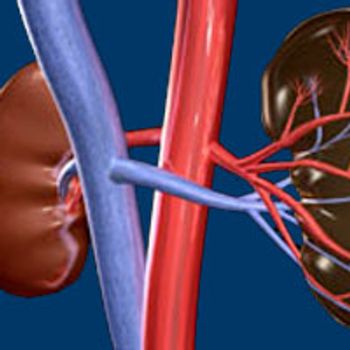
The United Kingdom’s National Institute for Health and Care Excellence has chosen to not recommend the combination of pembrolizumab and axitinib for use in treatment-naïve adult patients with advanced renal cell carcinoma.

The frontline combination of pembrolizumab and chemotherapy significantly improved progression-free survival compared with chemotherapy alone in patients with metastatic triple-negative breast cancer whose tumors expressed PD-L1.
Patients with high-risk lung cancer who underwent volume CT screening had a significantly lower lung cancer mortality compared with those who were not screened.

The presence of circulating tumor cell was found to be independently associated with relapse in patients with stage III melanoma, suggesting that CTC assessment may be useful in identify patients who are at risk for relapse and could benefit from adjuvant therapy.
Barry Paul, MD, discusses some of the newer data to emerge regarding relapsed/refractory multiple myeloma.