


























































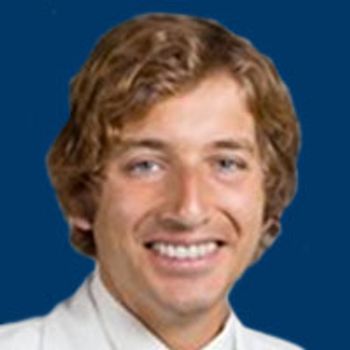
Aaron Goodman, MD, discusses recent changes to the frontline treatment of patients with peripheral T-cell lymphoma and the challenges of targeting T-cell lymphoma.
Aaron Goodman, MD, discusses recent changes to the frontline treatment of patients with peripheral T-cell lymphoma and the challenges of targeting T-cell lymphoma.
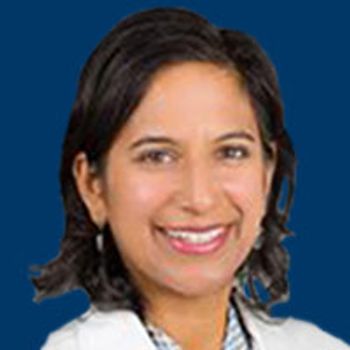
Immune checkpoint blockade with ipilimumab, combined with radiation therapy, is tolerable and effective in patients with node-positive, stage Ib2 to IV cervical cancer.
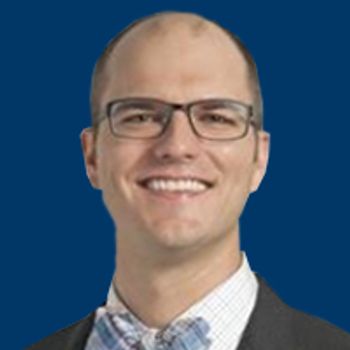
Aaron Gerds, MD, discusses data presented at the 2019 ASH Annual Meeting highlighting luspatercept as a treatment of anemia in patients with myelofibrosis.
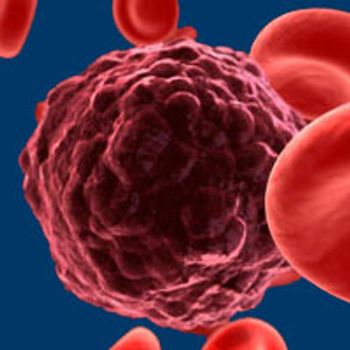
The combination of panobinostat and ruxolitinib demonstrated efficacy and a tolerable safety profile as a treatment for patients with primary myelofibrosis and post-polycythemia vera–related myelofibrosis and post essential thrombocythemia–related myelofibrosis.
Neil H. Segal, MD, PhD, discusses the current role of immunotherapy in colorectal cancer and the work being done to define its role in earlier-line settings and among patients with microsatellite stable disease.
Ronald Natale, MD, expands on the recent developments with immunotherapy in advanced non–small cell lung cancer.
The approval of fam-trastuzumab deruxtecan-nxki in HER2-positive breast cancer is generating hopes that similar strategies also may be effective against HER2-expressing gastric and colorectal cancers, according to a panel of experts in gastrointestinal malignancies.

Sara A. Hurvitz, MD, Neelima Denduluri, MD, and Madelaine Kuiper, MSN, RN, discuss the rise of HER2-targeted therapies and their implications on the field.
Diego Villa, MD, MPH, discusses the benefit of bendamustine and rituximab versus R-CHOP in transplant-eligible and -ineligible patients with mantle cell lymphoma.

The FDA has granted a priority review designation to a supplemental new drug application for selinexor as a treatment for adult patients with relapsed/refractory diffuse large B-cell lymphoma, not otherwise specified, who have received ≥2 prior therapies.
James J. Harding, MD, discusses the evolving treatment landscape in frontline hepatocellular carcinoma and ongoing trials that may revolutionize the space.
Neelima Denduluri, MD, sheds light on the use of genomic assays in early-stage HR-positive/HER2-negative breast cancer, as well as the agents that are prolonging survival in patients with metastatic HER2-positive disease.
The FDA has issued a complete response letter to 6 supplemental biologics license applications that would have updated the dosing schedule for pembrolizumab to include an every-6-weeks option at 400 mg over 30-minute infusions across multiple indications.
The FDA has granted a breakthrough therapy designation to the combination of enfortumab vedotin-ejfv and pembrolizumab as a first-line treatment of patients with unresectable locally advanced or metastatic urothelial cancer who are unable to receive cisplatin-based chemotherapy.
Karen Reckamp, MD, MS, highlights the different agents that have been developed to target rarer abnormalities in non–small cell lung cancer.
The FDA has granted a priority review designation to a supplemental biologics license application for single-agent atezolizumab as a frontline treatment for patients with advanced nonsquamous or squamous non–small cell lung cancer without EGFR or ALK mutations who have high PD-L1 expression on tumor cells or tumor-infiltrating immune cells, defined as TC3/IC3 wild-type.
Ruth O’Regan, MD, shares her perspective on the use of biosimilars in breast cancer and their future in oncology.
William L. Dahut, MD, discusses the natural history trial, the implications of the PROfound study, and the importance of screening for men at a high risk for developing prostate cancer.
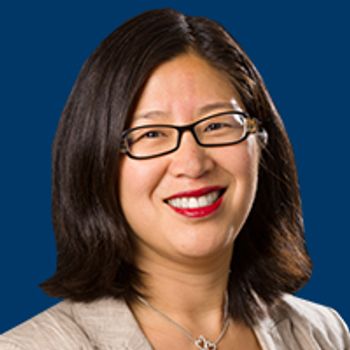
Anne Chiang, MD, PhD, discusses the currently available treatments and ongoing research in ALK-positive non–small cell lung cancer.
Karyn Aalami Goodman, MD, MS, an internationally recognized expert on gastrointestinal cancers, has joined the Icahn School of Medicine at Mount Sinai as Associate Director for Clinical Research at The Tisch Cancer Institute. She is also Professor and Vice Chair for Research and Quality in the Department of Radiation Oncology.

The combination of nivolumab and the investigational CSF-1R inhibitor cabiralizumab with and without chemotherapy did not improve progression-free survival compared with chemotherapy alone in patients with advanced pancreatic cancer, missing the primary endpoint of a phase II trial (NCT03336216).
Jean Lopategui, MD, reflects on the use of molecular testing for patients with non–small cell lung cancer.
Hernan Vargas, MD, FACS, discusses the criteria that are used to determine the appropriate surgical intervention for patients with node-positive breast cancer and shared questions that still need to be addressed in the space.

Adjuvant treatment with ipilimumab, when given at a 3-mg/kg dose, was found to improve overall survival compared with high-dose interferon alfa in patients with high-risk melanoma.