










































Frontline osimertinib significantly improved overall survival compared with erlotinib or gefitinib in patients with EGFR-positive local advanced or metastatic non–small cell lung cancer, according to results from the phase III FLAURA trial.
Frontline osimertinib significantly improved overall survival compared with erlotinib or gefitinib in patients with EGFR-positive local advanced or metastatic non–small cell lung cancer, according to results from the phase III FLAURA trial.
Michael J. Hall, MD, Fox Chase Cancer Center, discusses the emergence of PARP inhibition in the armamentarium for patients with pancreatic cancer.
The UK’s National Institute for Health and Care Excellence has authorized the use of pembrolizumab in combination with carboplatin and either paclitaxel or nab-paclitaxel for the treatment of patients with metastatic squamous non–small cell lung cancer.
Taofeek Owonikoko, MD, PhD, MSCR, discusses the results of the NLST and NELSON trials and the next steps that need to be addressed with lung cancer screening.

Kieron Dunleavy, MD, discusses the current treatment paradigm in mantle call lymphoma and the emerging potential for CAR T-cell therapy.
Michelle M. Boisen, MD, discusses the role of neoadjuvant chemotherapy in advanced ovarian cancer and data comparing outcomes with this modality versus upfront surgery.

Experts from Emory University School of Medicine, Massachusetts General Hospital, and Hospital of the University of Pennsylvania, highlight the exciting research being conducted at their respective institutions.

The FDA has granted a priority review designation to a new drug application for avapritinib for the treatment of adult patients with PDGFRA exon 18–mutant gastrointestinal stromal tumors, regardless of prior therapy, as well as for patients with GIST in the fourth-line setting.

The combination of encequidar and oral paclitaxel improved the overall response rate compared with IV paclitaxel in patients with metastatic breast cancer.
Peter Martin, MD, discusses the need for a personalized therapeutic approach in frontline MCL treatment.
Drew Moghanaki, MD, MPH, discusses the impact of the PACIFIC trial and future research in stage III non–small cell lung cancer.
Alan B. Astrow, MD, discusses the latest efforts to personalize patient care in early-stage, HR-positive, HER2-negative breast cancer.
Olaparib demonstrated a statistically significant and clinically meaningful improvement in radiographic progression-free survival compared with enzalutamide or abiraterone acetate in patients with metastatic castration-resistant prostate cancer who harbor a homologous recombination repair gene mutation and have progressed on prior therapy with either androgen receptor inhibitor, meeting the primary endpoint of the phase III PROfound trial.

Anna F. Farago, MD, PhD, discusses the second-line data with lurbinectedin and its potential impact on the small cell lung cancer field.

Tanya Siddiqi, MD, explains how novel agents are improving the treatment landscape for chronic lymphocytic leukemia, citing examples from the TRANSCEND CLL 004 trial.
Cell-free DNA-based detection of microsatellite instability status was found to be highly concordant with tissue-based MSI testing.
Payal D. Shah, MD, discusses the paradigm shift in metastatic HR-positive, HER2-negative breast cancer, now largely defined by the use of CDK4/6 inhibitors.

Eleni Andreopoulou, MD, discusses the impact of the IMpassion130 trial on TNBC treatment and the use of immunotherapy in this patient population.
Jonathan Riess, MD, MS, discusses ongoing research with PARP inhibitors in lung cancer and potential biomarkers for this class of agents.
Mian M. Shahzad, MD, PhD, discusses the use of checkpoint inhibition in advanced ovarian cancer.
Jeannie Chern, MD, discusses developments with genetic testing in ovarian cancer and key trials in patients with recurrent disease.

Adding atezolizumab to platinum-based chemotherapy significantly improved progression-free survival in patients with previously untreated locally advanced or metastatic urothelial carcinoma, according to results from the phase III IMvigor130 study.

The Ohio State University Comprehensive Cancer Center–Arthur G. James Cancer Hospital and Richard J. Solove Research Institute announced formation of the Pelotonia Institute for Immuno-Oncology, a comprehensive bench-to-bedside research initiative focused on harnessing the body’s immune system to fight cancer at all levels—from prevention to treatment and survivorship.
The FDA has approved pexidartinib for the treatment of adult patients with symptomatic tenosynovial giant cell tumor that is associated with severe morbidity or functional limitations and not responsive to improvement with surgery.
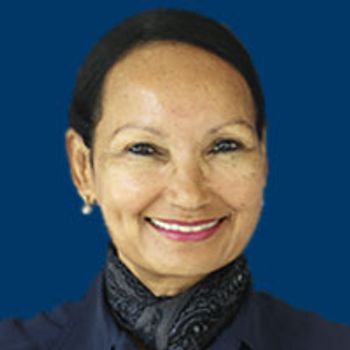
Lisa Newman, MD, MPH, FACS, FASCO, highlights the history and ongoing research of the genotype causing predisposition to TNBC in African-American women.